Despite frequent pledges from military leaders to expedite the delivery of modern equipment, the bureaucratic and technical reality in Washington points to a profound efficiency crisis. An explosive report by the Government Accountability Office (GAO) reveals that the average timeframe for delivering a military capability has ballooned to over 12 years, leaving the U.S. military trapped in seemingly endless development cycles.
„Immature” Tech and Phantom Deadlines: The Rapid Prototyping Trap
Even programs specifically designed for speed—under the Middle Tier Acquisition (MTA) authority, which mandates a five-year window—are systematically failing. The primary reason identified by auditors is the reliance on „immature technologies”: the Pentagon is attempting to build complex weapons using technical solutions that are not yet proven, reliable, or ready for mass production.
Air Force: Troubles from Training Jets to Air Force One
- T-7 Red Hawk: The new jet trainer is mired in delays caused by a lack of spare parts and maintenance personnel. Critical testing will not be completed until 2028, forcing a total replanning of the program.
- Air Force One (VC-25B): The future presidential aircraft faces major risks related to interior design and wiring. While some strides have been made, the compressed testing timeframe remains the greatest enemy of this high-profile project.
- HACM (Hypersonic Missile): With „effectively zero” margin for error, the Air Force’s hypersonic program risks collapse if even a single flight test fails. Any setback could derail the planned 2027 procurement of these weapons.
Army and Navy: Strategic Projects Under Siege
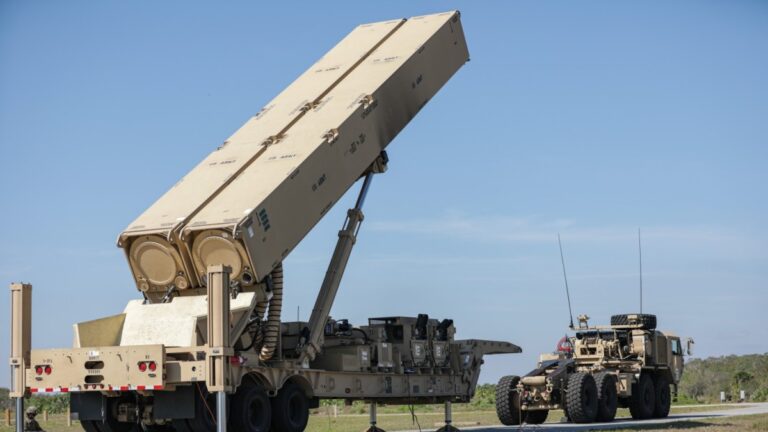
The Army is seeing its first battery of Dark Eagle hypersonic missiles (LRHW) delayed by at least six months due to unclear production standards and issues with missile motors. Simultaneously, the M-SHORAD air defense system is suffering from a bizarre discrepancy: while contractors claim the technology is mature, the Pentagon asserts otherwise.
The Navy fares no better. The DDG 51 Flight III destroyers are now over four and a half years behind schedule. Labor shortages and frequent design changes have pushed initial operating capability to late 2027. Furthermore, the integration of hypersonic weapons onto DDG 1000 destroyers has been delayed by nine months due to „unforeseen” production challenges.
Star Wars and the Space Force Personnel Crisis
The Space Force is the heaviest user of „rapid” acquisition authorities, yet 100% of its monitored programs in 2025 suffered schedule setbacks. The missile warning satellite program (Next-Gen OPIR-GEO) saw cost overruns of $340 million due to software complexity. More critically, the national security space launch program is threatened by a wave of resignations and voluntary retirements, just as the number of planned launches is set to skyrocket.