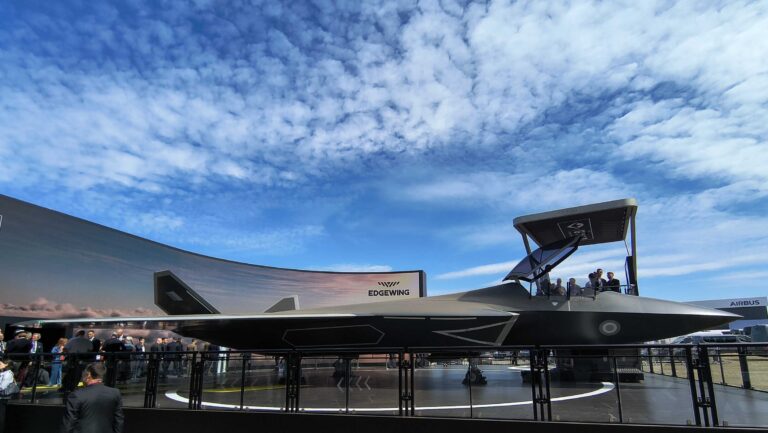
In a demonstration of technological prowess and strategic urgency, the international program to develop the sixth-generation fighter jet, the Global Combat Air Programme (Gcap), could be significantly accelerated. Although the initial entry-into-service date was set for 2035, defense industry leaders indicate that the new multi-domain system could become operational two years earlier than planned. This pressure to advance the timeline comes directly from the ministerial level, driven by the critical need to possess superior aerial technologies as quickly as possible.
Phased performance to gain time on the technological front
Fast-tracking the project to 2033 is not without its technical and logistical challenges. Achieving this goal might require a „modulation” of the technical requirements for the aircraft’s initial version. Instead of delivering a platform that meets all final specifications from day one, the industrial consortium—comprising giants from Italy, the United Kingdom, and Japan—might opt for a progressive approach. This strategy would allow for the launch of an early functional variant, with the most complex technologies being integrated later as the program evolves.
Japanese pressure and the urgent need to replace the aging F-2 fleet
One of the determining factors for this rapid pace is Japan’s procurement plan. Authorities in Tokyo are extremely keen for the new aircraft to be ready by 2035 at the latest, coinciding with the scheduled retirement of their current F-2 fighter fleet. Any delay in the Gcap program could create a security vacuum in Japanese airspace, which is why the pressure on the Edgewing consortium members is at its peak to advance or at least secure production and testing deadlines.
Expanding alliances and the window of opportunity for new partners
While the core of the program ramps up its engines, global interest in Gcap continues to grow. Canada recently joined the project as an observer, while Singapore and Saudi Arabia are expressing interest in becoming part of this massive technological effort. However, the entry window for new member states is limited. Current estimates suggest that 2027 represents the ultimate deadline for other nations to officially join the program without disrupting the already established and complex development and production flow.