In a major tactical shift toward sustainable and persistent aerial surveillance, U.S. Air Forces Central (AFCENT) has greenlit a contract worth up to $270 million for long-range, solar-powered scout drones. The move signals the Pentagon’s growing appetite for low-cost, high-endurance platforms as traditional, multi-million dollar aircraft face increasing attrition in contested skies.
Breaking Records with Sunlight and AI: The K1000ULE Advantage
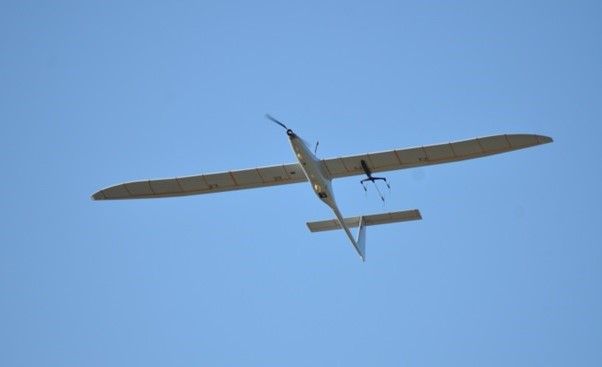
The heart of the deal is the K1000ULE drone, a marvel of lightweight engineering from Kraus Hamdani Aerospace. Capable of being launched from the back of an SUV and operated by a two-man team, the drone made headlines in 2023 by staying airborne for a record-breaking 75 hours.
To achieve this „marathon” endurance, the craft utilizes a sophisticated hybrid of solar panels and high-efficiency batteries, governed by AI flight patterns inspired by the soaring mechanics of birds. This allows the drone to harvest energy during the day and glide efficiently through the night, providing a persistent „eye in the sky” that traditional fuel-hungry platforms cannot match.
Combat-Hardened Algorithms: From Ukraine to the Pacific
The K1000ULE’s brain is forged in the fires of modern conflict. Kraus Hamdani’s engineers are actively integrating data from the war in Ukraine, where their autopilot software is among the most widely deployed. This constant evolution ensures the drones can navigate increasingly crowded and jammed electronic environments.
The timing of the AFCENT award is particularly poignant. It follows a series of costly incidents, including the loss of at least 16 MQ-9 Reaper drones and high-stakes rescue missions for downed aircrew. As mid-tier powers demonstrate the ability to threaten high-value U.S. assets, the shift toward „disposable” yet highly capable solar drones represents a pragmatic evolution in military doctrine: quantity and persistence over exquisite, vulnerable platforms.
Dual-Use Dominance: Beyond the Battlefield
While the military applications are clear, the K1000ULE has already proven its mettle in the commercial world. From monitoring vast oil fields in the harsh deserts of Oman to participating in naval exercises across the Pacific and Africa, the drone has demonstrated thousands of kilometers of reliable flight every month.
This contract marks a turning point for Kraus Hamdani, dwarfing its previous $20 million Army award and cementing its role as a key player in the „Small, Smart, and Many” future of the U.S. Air Force. As the sun sets on the era of the massive, fuel-dependent spy plane, the era of the solar-powered, AI-driven scout has officially begun.