Subsea cables, the backbone of the internet, carrying over 99% of global internet traffic and trillions in financial transactions, are increasingly under threat from deliberate acts of sabotage. With Russia and China employing tactics to obscure attribution, the U.S. must take decisive steps to protect these critical arteries of global communication.
The Invisible Lifeline at Risk
While accidental faults are common, recent incidents suggest a troubling pattern of deliberate sabotage, particularly around Taiwan. These acts, often difficult to trace, represent a dangerous escalation in „gray zone” warfare.
Taiwan: A Microcosm of the Threat
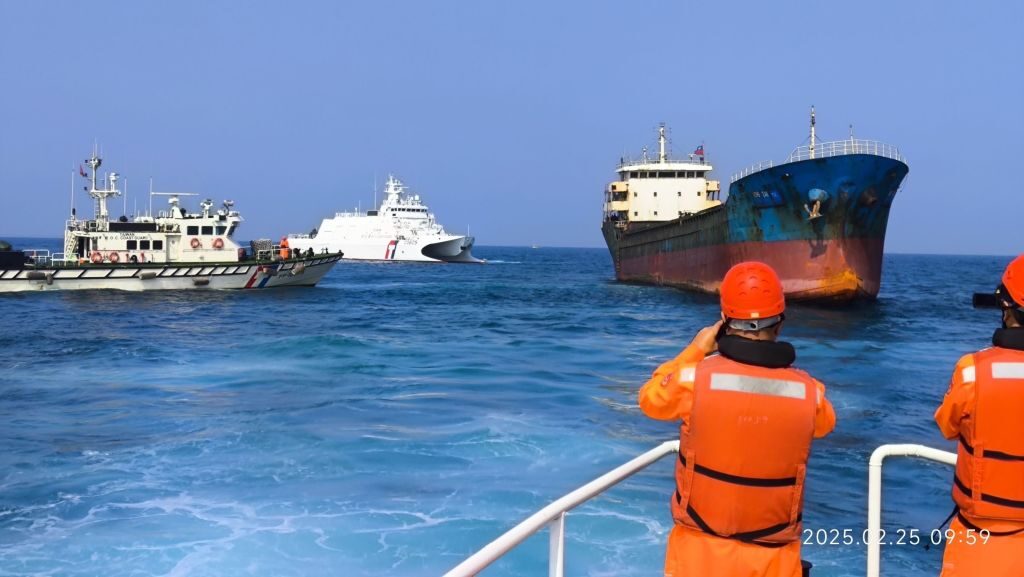
In early 2023, Chinese vessels were blamed for cutting cables connecting Taiwan’s Matsu Islands, leaving residents reliant on unreliable microwave transmissions for weeks. More recently, the Chinese-owned cargo ship Shunxing 39 reportedly damaged a subsea cable near Keelung, Taiwan, employing tactics to conceal its identity and evade accountability.
A Three-Pronged Approach
To counter this growing threat, the U.S. must adopt a comprehensive strategy based on monitoring, response, and resilience:
1. Enhance Monitoring Capabilities
- Expand Multilateral Surveillance: Increase monitoring in the South and East China Seas through partnerships like a „Quad Plus,” incorporating South Korea and the Philippines.
- Layered Sensor Network: Integrate naval radar, sonar systems, aerial surveillance (military and commercial drones), Automatic Identification System data, and commercial satellite imagery for improved maritime situational awareness.
- Public-Private Partnerships: Expand the use of allied-made technology through initiatives like the Maritime Security Consortium.
- Collaboration with ASEAN: Develop a mechanism to collaborate with ASEAN to address enforcement gaps in international law related to intentional severing of subsea cables.
2. Establish Clear Response Protocols
- Proportional Responses: Establish multilateral maritime protocols outlining swift, proportional responses to deliberate cable interference, including impounding vessels, arresting crews, and sanctioning owners.
- Subsea Sabotage Response Exercises: Conduct exercises simulating subsea sabotage scenarios to prepare forces for future incidents.
- Strengthen Maritime Law: Ratify and propose new provisions to the United Nations Convention on the Law of the Sea that extend subsea cable protections beyond countries’ exclusive economic zones.
3. Build Resilience Through Redundancy
- Alternative Technologies: Leverage proliferated Low-Earth Orbit (p-LEO) satellites as a partial backup for connectivity.
- Protect Subsea Cables as Primary Effort: Acknowledge that, despite advances, p-LEOs cannot replace subsea cables in terms of bandwidth and cost-efficiency.
- Invest in Cable Repair: Increase investments in subsea cable repair and maintenance capacity, reducing reliance on Chinese-operated vessels and shortening repair times.
- Establish Allied-Controlled Repair Fleet: Pool resources to create an allied-controlled cable repair fleet, leveraging Japan’s shipbuilding industry.
- Support Domestic Capacity: Fully fund the Cable Security Fleet, pass provisions like Section 403 of the SHIPS Act, and reform the Jones Act to enable allied shipbuilders to expand US subsea capacity.
A New Era of Gray Zone Warfare
Subsea sabotage represents a new frontier in gray zone warfare. The U.S. and its allies must act decisively to expose and confront this threat before it becomes the new normal. By enhancing maritime domain awareness, establishing clear rules for rapid and proportional responses, and investing in resilient infrastructure, the U.S. can safeguard the unseen arteries of the internet and deter future acts of sabotage. The next conflict may not begin with missiles, but with anchors dragging.