The U.S. and China are engaged in a „race” to develop the next generation of airpower, with no guarantee that America will be the first to reach the finish line, according to the Air Force’s outgoing acquisition executive, Andrew Hunter. In an interview with Breaking Defense at the Pentagon, Hunter acknowledged the competitive landscape, stating, “They could beat us to the punch.”
He noted that the U.S. Air Force was not entirely surprised by the recent images of at least two new Chinese aircraft, which sent shockwaves through the aerospace community over the holidays. “It’s fair to say we pay a lot of attention to what the Chinese are doing,” Hunter remarked. “And so, not everything that becomes public is a shock. But having said that, their pace is incredibly fast.”
Previously, Hunter cautioned lawmakers about the race with China for a sixth-generation fighter, expressing confidence that the U.S. would come out on top. However, during his recent conversation with Breaking Defense, he acknowledged the possibility that the U.S. may not achieve initial operational capability (IOC) first. Despite this, he remained optimistic that U.S. aircraft would ultimately surpass China’s developments.
Hunter highlighted that the Air Force’s „technical advantages” are significant and that their systems produce quality materials, even if progress does not always occur as swiftly as desired. “So [the] IOC date on something, they may well beat us on that. I think we’ll have the better capability, but we certainly have no time to lose,” he stated.
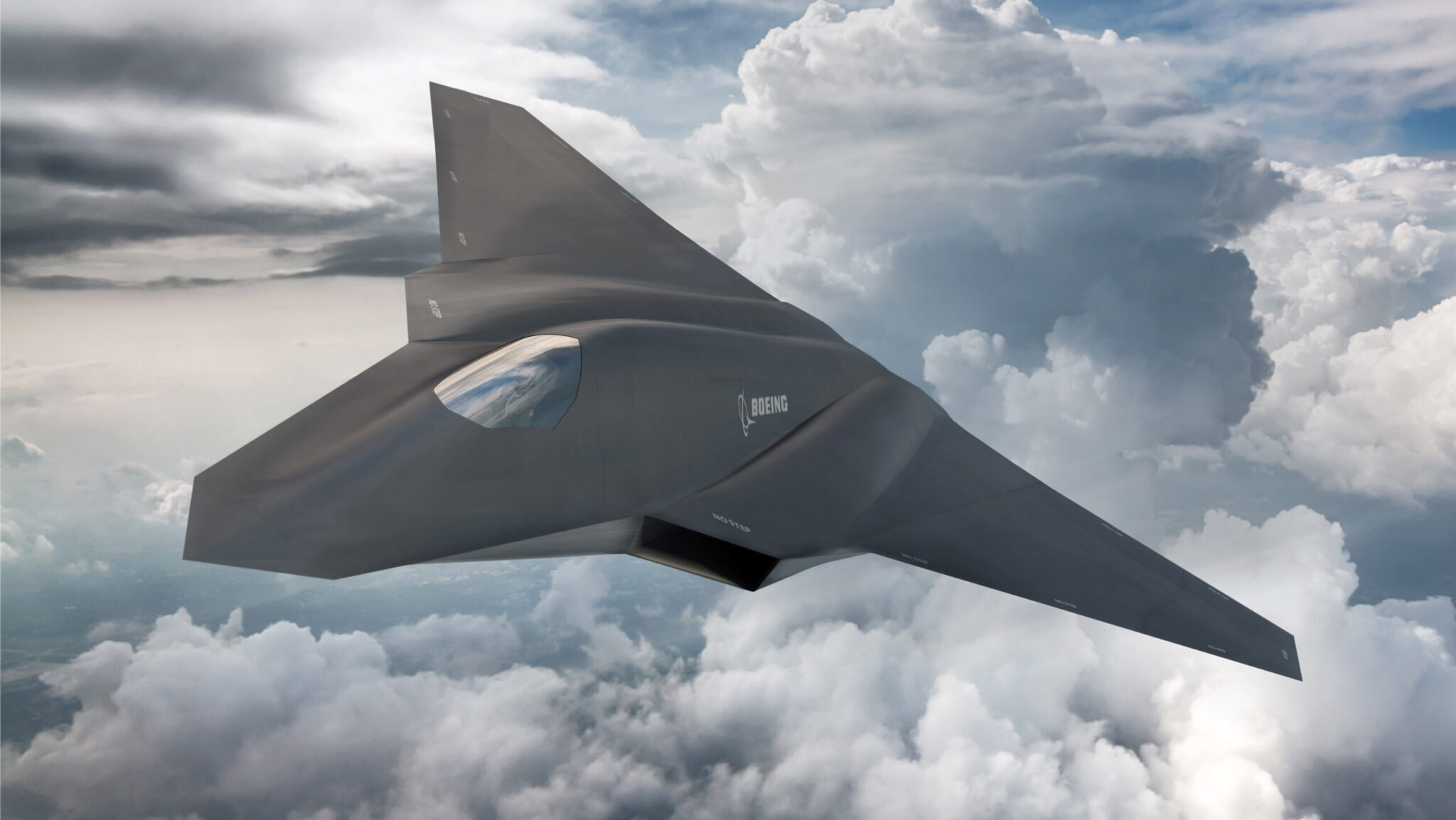
Experts have suggested that the recent images of the Chinese jets could bolster support for the Air Force’s Next Generation Air Dominance (NGAD) fighter program, the future of which will be determined by the incoming Trump administration after officials paused the initiative last year. The hesitancy regarding the NGAD program has surprised many in Washington, especially given the years of investment and expectations that the fighter would be vital for maintaining U.S. air superiority.
In a public address at the Center for Strategic and International Studies, Air Force Secretary Frank Kendall noted that a review of the NGAD program produced a „consensus” on the value of continuing development of the platform. However, he pointed out that the program would require over $20 billion to complete its current development trajectory, and that there are „other priorities that we really need to fund first.”
Kendall outlined potential alternatives to the current vision of the NGAD platform as a manned replacement for the F-22, indicating that one option could be a less expensive “F-35 follow-on” multirole aircraft. This new platform could primarily focus on coordinating the Air Force’s future fleet of drone wingmen, known as Collaborative Combat Aircraft (CCA). He also mentioned the possibility of enhancing long-range strike capabilities, which could be pursued independently of the NGAD program.
To sustain the industrial base and implement the right mix of capabilities for the Air Force efficiently, Kendall suggested there are several reasonable options available for the next administration to consider. He expressed reluctance to fully transition away from manned aircraft entirely, despite calls from some within the incoming administration to do so.
“We could just continue to rely on F-35 and keep it going for the foreseeable future and focus on CCA. I’m not quite ready to do that personally, but the next administration could take a look at that,” he explained.
Kendall acknowledged that the culture and legacy of the Air Force heavily emphasize the role of the pilot, and stepping back from that tradition is likely to be an emotionally challenging process. “So I’ll be convincing from the outside, and we’ll all watch and see how this all plays out over the next few months,” he concluded.