Strengthening Defense Ties with a Major Arms Sale
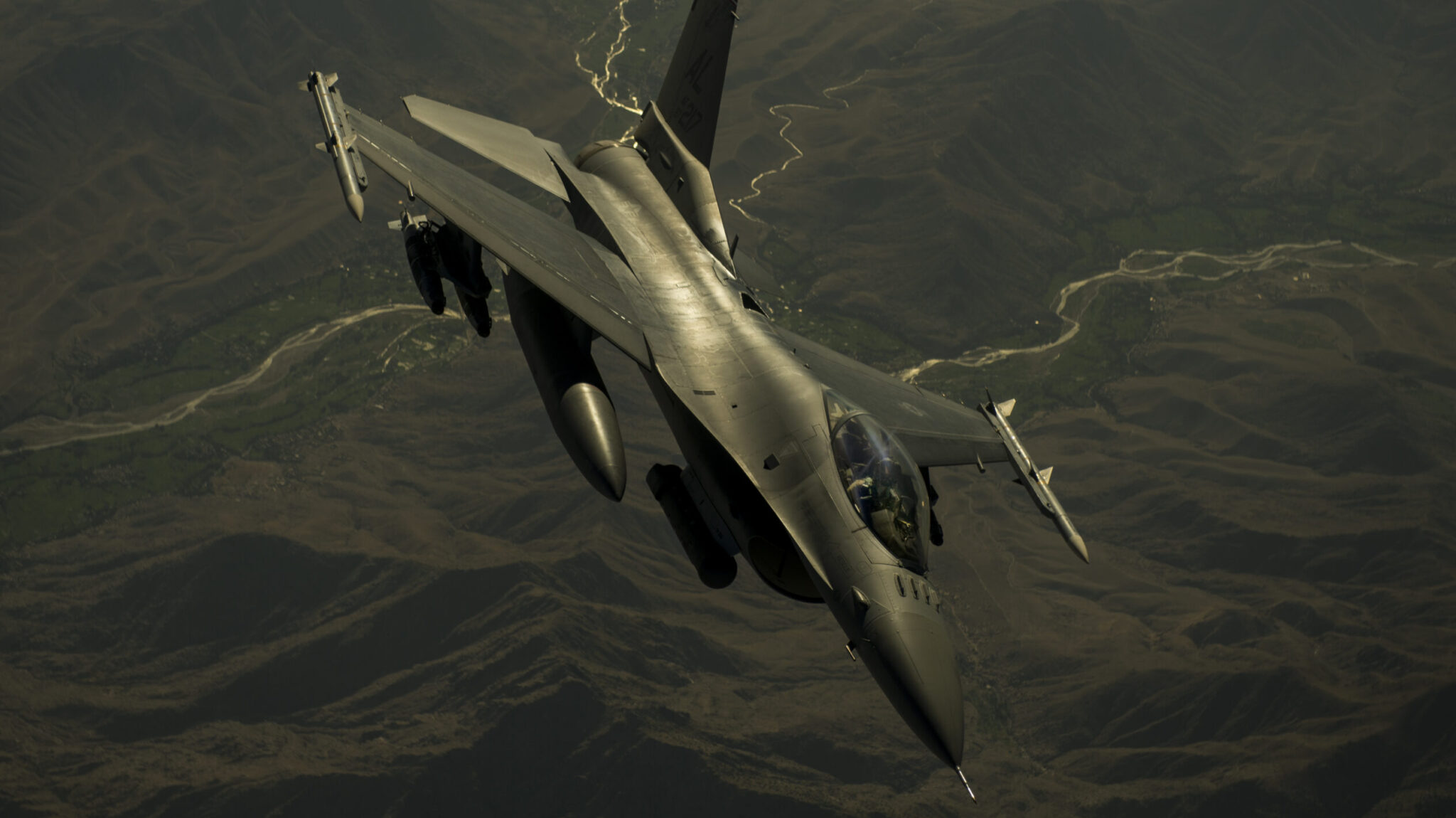
The U.S. State Department has given the green light for a potential Foreign Military Sale (FMS) of 20 F-16 fighters to the Philippines, valued at approximately $5.58 billion. This decision follows a recent visit by Defense Secretary Pete Hegseth to Manila, where he emphasized the importance of enhancing defense relations between the two nations.
Details of the F-16 Fighter Package
The approved sale encompasses 16 F-16C Block 70/72 jets and four F-16B Block 70/72 fighters. In addition to the aircraft, the comprehensive package includes 24 engines, 22 Advanced Electronically Scanned Array (AESA) radars, and a range of internal systems. It also features a substantial array of munitions, including:
- 112 AIM-120C-8 or equivalent missiles
- 36 Guided Bomb Unit (GBU)-39/B Small Diameter Bombs Increment 1 (SDB-1)
- 40 AIM-9X Block II Sidewinder missiles
- 32 AIM-9X Block II Sidewinder Captive Air Training Missiles (CATMs)
- 60 MK-82 500-lb general-purpose bombs
- 60 MK-84 2,000-lb general-purpose bombs
The sale aims to bolster the operational capabilities of the Philippine Air Force.
Enhancing Regional Security and Cooperation
According to the Defense Security Cooperation Agency (DSCA), this proposed sale plays a vital role in U.S. foreign policy and national security by strengthening partnerships in Southeast Asia. It is positioned as a means to enhance the security of a strategic ally, contributing to regional political stability, peace, and economic development.
The proposed acquisition is set to improve the Philippine Air Force’s capabilities in maritime domain awareness and close air support missions. It will also expand the Philippines’ ability in suppressing enemy air defenses (SEAD) and conducting aerial interdiction missions. Furthermore, the sale is expected to facilitate increased interoperability between the Armed Forces of the Philippines and U.S. military forces, further integrating defense operations.
Contractor and Future Negotiations
Lockheed Martin will serve as the primary contractor for this arms sale. Although no commercial offsets have been proposed at this stage, the DSCA notice suggests that such arrangements could be established during negotiations between the purchaser and the contractor.
Conclusion: Legislative Oversight and Future Possibilities
While the announcement marks a significant step forward in U.S.-Philippines defense relations, it is important to note that the deal is not yet finalized. Lawmakers have a 30-day window to potentially block the agreement, though such actions are uncommon. The sale reflects a broader strategy in enhancing military capabilities in the region, reinforcing alliances amid changing geopolitical dynamics in Southeast Asia.