A Bold Shift Toward Warlike Readiness
Today, the UK released a comprehensive and ambitious Strategic Defense Review (SDR), which marks a significant shift in its military posture toward prioritizing “warfighting readiness” to counter Russian threats. The review emphasizes modernizing forces with cutting-edge technologies, new capabilities, and a clear focus on deterring aggression through superior preparedness.
Key Pillars: New Submarine Fleet and Nuclear Investment
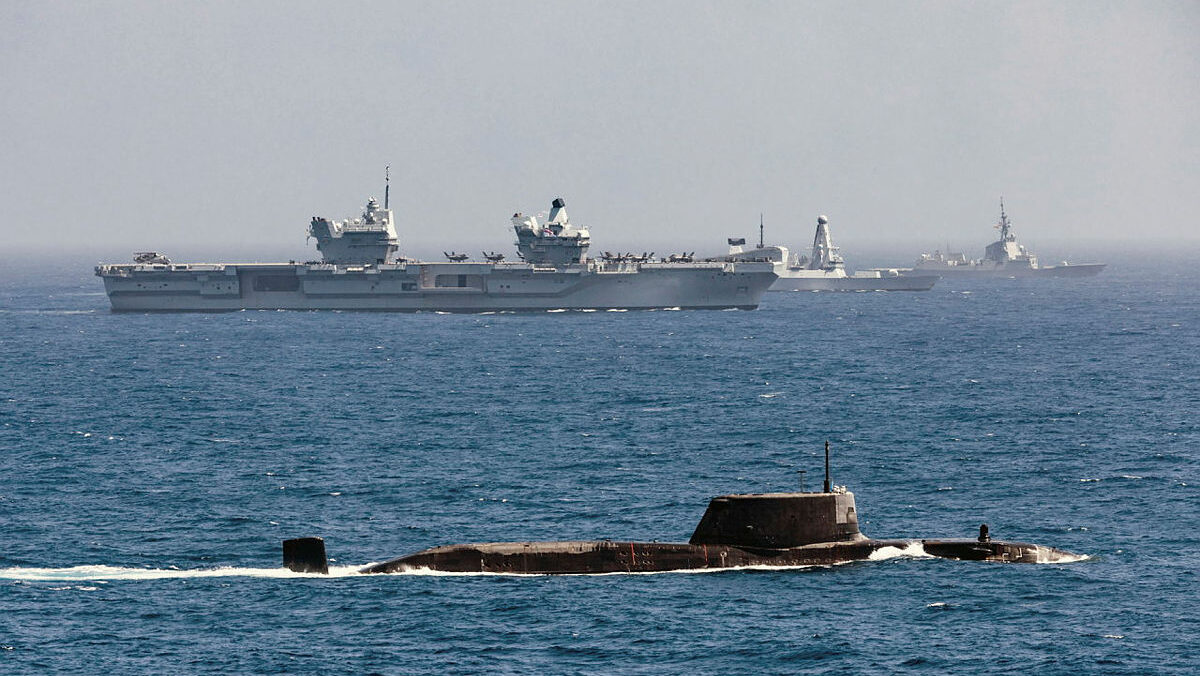
A central element of the SDR is the UK’s plan to acquire up to 12 new nuclear-powered attack submarines under the trilateral AUKUS partnership, designed to replace the current seven Astute-class boats. The new fleet, expected to enter service from the late 2030s, will bolster the Royal Navy’s undersea dominance. Although financial details have not been disclosed, the UK has committed approximately £15 billion ($20.3 billion) toward maintaining sovereign nuclear deterrence, including developing future Dreadnought-class ballistic missile submarines.
Strengthening NATO’s Nuclear Deterrence
The review also proposes expanding the UK’s contribution to NATO’s nuclear umbrella, with ongoing discussions with the Pentagon about acquiring additional F-35A fighter jets and tactical nuclear capabilities, including the B61-12 bombs. This potentially positions the UK as operating a second nuclear delivery platform beyond its existing Continuous At Sea Deterrent.
Modernizing Surface and Air Capabilities
While details on the surface fleet remain limited, the SDR underscores the need for robust anti-submarine warfare (ASW) capabilities, advocating engagement with private and international partners to rapidly field an integrated frigate force. Additionally, developing hybrid carrier airwings is a key focus—incorporating crewed jets like the F-35B alongside autonomous platforms and expendable drones. Long-range missiles are also slated to be part of future airwing upgrades.
Defensive and Undersea Innovations
A new initiative, Atlantic Bastion, aims to improve underwater surveillance to thwart Russian sabotage of vital subsea internet cables. The plan also emphasizes developing defensive shields against ballistic missile threats and establishing civilian home guard units to protect critical infrastructure.
The Army’s Drone-Driven Transformation
The British Army’s future warfighting approach hinges on a “20-40-40” strategy: deploying uncrewed systems for initial attacks, followed by tanks, attack helicopters, and crewed platforms. The plan allocates 20 percent of capabilities to heavily armed units like Challenger 3 tanks, 40 percent to disposable munitions such as attack drones, and the remaining 40 percent to larger, tactical drones—including US-made MQ-9s—aimed at increasing lethality and deterrence.
Air Force and Procurement Gaps
For the Royal Air Force, the review recommends expanding the E-7 Wedgetail airborne early warning fleet, with potential joint procurement options with NATO allies. Notably absent is a clear plan for the £1 billion New Medium Helicopter program, which remains under development, with only Leonardo remaining in competition after major aerospace firms like Lockheed Martin and Airbus withdrew.
Sustained Spending and Munitions Stockpiles
While defense spending is planned to rise gradually—to 2.5% of GDP by 2027 and 3% by 2034—these targets are below NATO’s aspirational 5% benchmark. The SDR commits £1.5 billion (about $2 billion) toward acquiring 7,000 long-range weapons and establishing at least six new munitions manufacturing facilities, representing a total of approximately £6 billion in munitions expenditure through 2028.
Technological Innovation and Cyber Defense
The UK is also investing £1 billion in “Digital Targeting Web” technology for rapid decision-making and is establishing a dedicated Cyber and Electronic Command to lead cyber operations and defend against frequent cyber threats. These initiatives aim to provide a decisive advantage in modern multi-domain warfare, addressing the over 90,000 cyber attacks faced over the past two years.
Conclusion: A Radical Reimagining of UK Defense
Overall, the SDR reflects the UK’s recognition of a transformed threat landscape shaped by recent conflicts and strategic rivals. It underscores a move toward a more lethal, technologically advanced, and integrated armed forces capable of both deterrence and active combat—a “most radical” overhaul in decades, according to defense analysts.