The United Kingdom’s recent decision to suspend the export of over 30 defense articles to Israel comes in the wake of heightened concerns regarding civilian casualties and destruction of infrastructure amid the ongoing conflict with Hamas. While analysts believe this move is unlikely to significantly impact Israel’s immediate military operations, they agree it carries important symbolic weight and potential geopolitical ramifications.
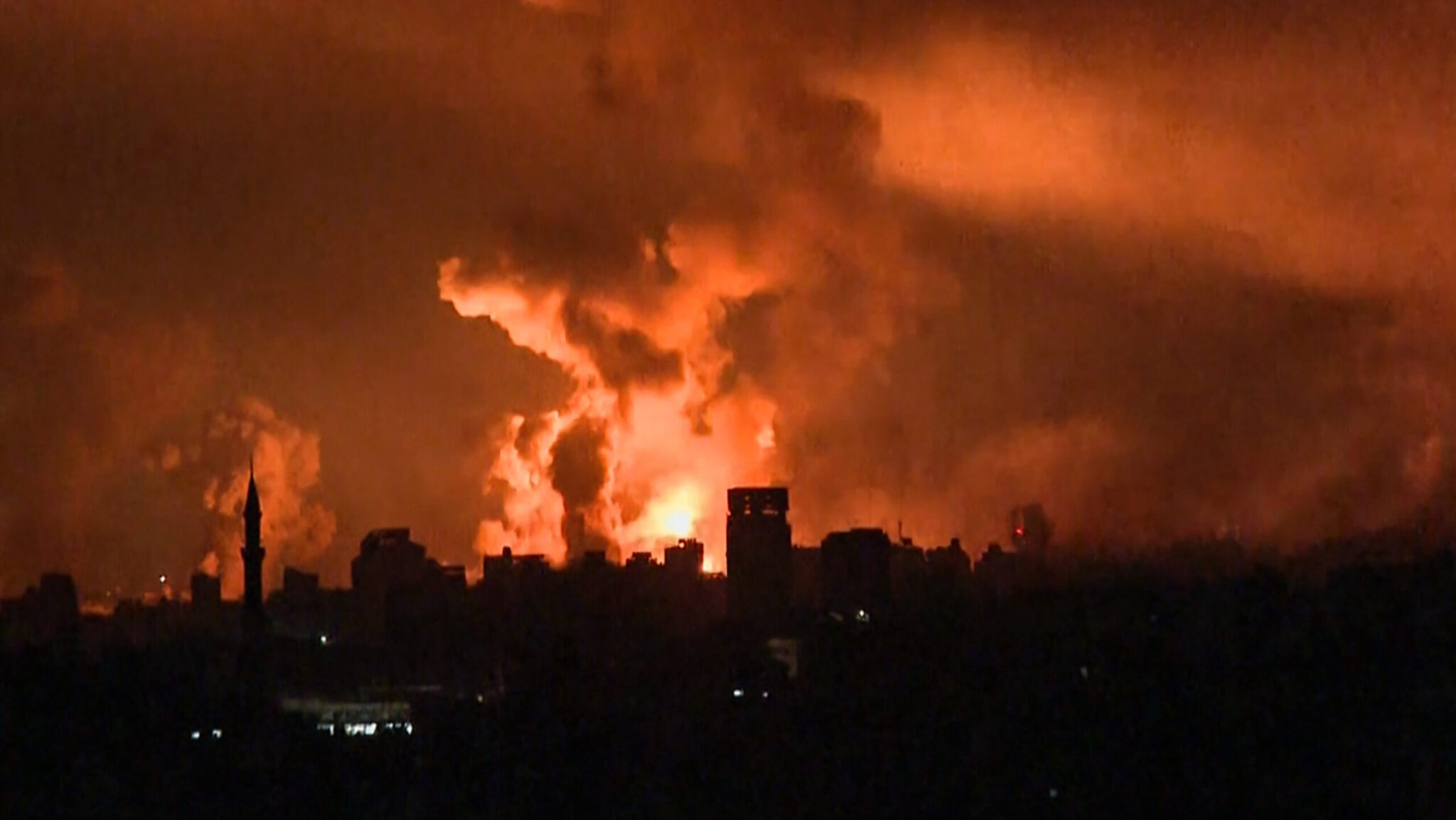
UK Foreign Minister David Lammy announced the suspension, emphasizing that while Israel has the right to self-defense following Hamas’s deadly attacks on October 7, the methods employed by Israel raise serious concerns. “We are deeply worried by the methods that Israel [has] employed, and by reports of civilian casualties and the destruction of civilian infrastructure particularly,” he stated.
Israeli officials promptly condemned the decision. Defense Minister Yoav Gallant criticized the timing, noting it coincided with the discovery of six hostages murdered by Hamas, and expressed disappointment at the UK’s stance amid Israel’s multifaceted conflict with terrorist groups. Foreign Minister Israel Katz argued that such sanctions send a „problematic message” to Hamas and its supporters, asserting Israel’s commitment to international law and its judicial system.
Richard Pater, director of the Britain Israel Communications and Research Centre (BICOM), remarked that the partial embargo was somewhat anticipated, with “rumors that some form of reassessment was coming down the track.” Similarly, Tammy Caner, a researcher from the Institute for National Security Studies (INSS), indicated that the decision was influenced by pro-Palestinian sentiments within the UK Labour party advocating for a complete arms embargo.
While experts are uncertain about the specific items impacted by the suspension, British defense exports to Israel are estimated to account for approximately 1 percent of Israel’s total defense imports. Notably, the suspension does not include components related to the F-35 fighter jet, which has been frequently utilized in the current conflict.
Pater affirmed that while the practical effects of the decision are limited, it signifies a troubling shift. The UK has previously imposed arms restrictions, such as halting shipments of Chieftain tanks to Israel in 1969, which ultimately led Israel to develop its Merkava tank series.
According to reserve Colonel Hanan Shai of the Misgav Institute for National Security and Zionist Strategy, Israel has historically sourced needed military materials from alternate suppliers when faced with similar restrictions. However, Caner pointed out that the significance of this decision lies primarily in its diplomatic implications, indicating a shift in relations between the new UK government and Israel.
“The partial suspension of arms exports is accompanied by a decision to resume funding for UNRWA and abandonment of previous inquiries into the International Criminal Court’s jurisdiction over Israeli officials,” Caner explained. The impacts, he noted, will likely manifest more through diplomatic channels than in Israel’s immediate security concerns.
Shai voiced that the arms export suspension symbolizes a broader fracture in values that have historically aligned Israel with the UK and the US. He emphasized the importance of the ethical and cultural ties that traditionally bind the two nations, suggesting that this punitive measure undermines Israel’s efforts in its fight against terrorism.
Pater echoed these sentiments, arguing that this decision sends a troubling geopolitical message to Iran and its proxies regarding Israel’s standing in the international community during a critical moment. “Britain and Israel regard each other as close allies, and this is not how allies behave when Israel is fighting a defensive action on several fronts,” he said. The perception that a key ally is withdrawing support could inadvertently bolster hostile elements in the region.
Meanwhile, the US government, led by President Joe Biden, has expressed concerns about Israel’s measures to protect civilians during the conflict. Although the US has previously withheld certain munitions, it has largely resisted calls to halt military aid to Israel entirely.
A significant test of the UK-Israel relationship may emerge in the event of further crises with Iran, similar to the April attack when Iran launched a barrage of over 300 missiles and drones at Israel, prompting assistance from UK allies. As both nations navigate a complex geopolitical landscape, the implications of the UK’s arms embargo will remain an important focal point in their bilateral relations.