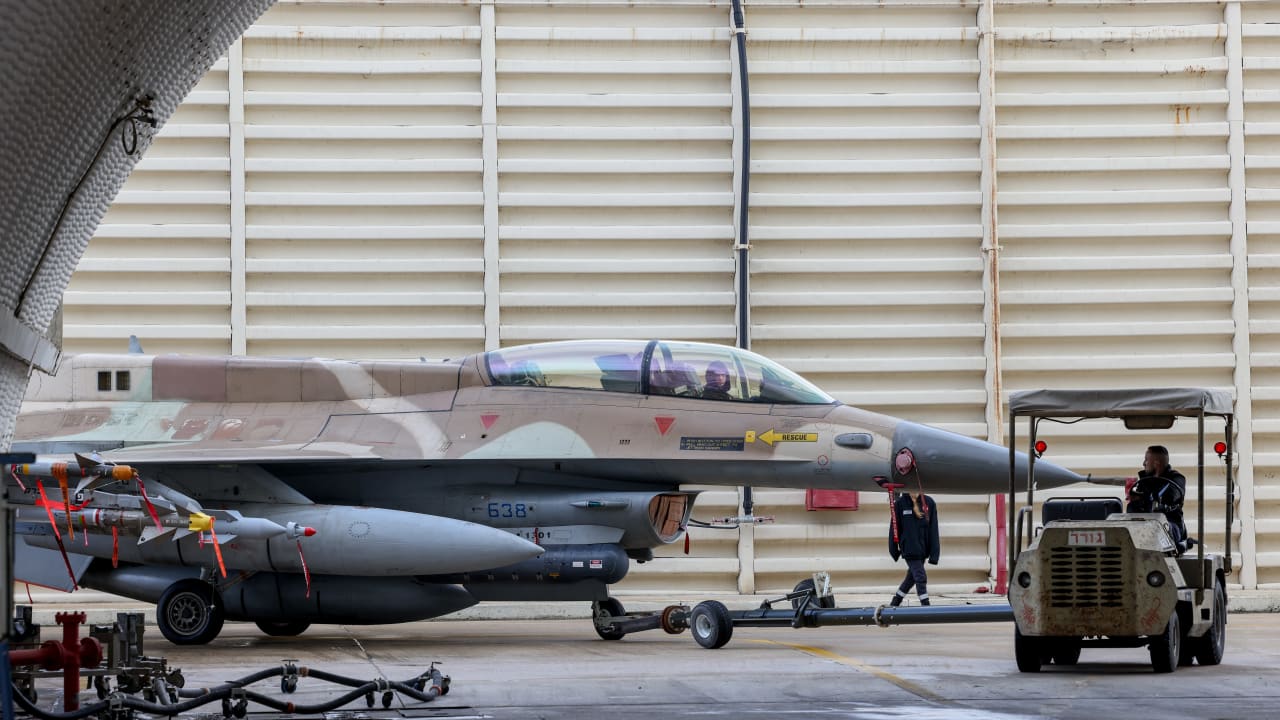
In a dramatic escalation of regional tensions, the United States and Israel launched a coordinated, „massive” aerial assault on targets across Iran today. Jerusalem reported its involvement in the unprecedented operation, stating the Israeli Air Force (IAF) deployed 200 warplanes to strike over 500 objectives, marking a historic military undertaking.
Dubbed „Operation Roaring Lion” by Israeli forces, the synchronized attack aimed to „degrade the Iranian terrorist regime and to remove existential threats to the State of Israel over time,” according to statements from the Israel Defense Forces (IDF). The U.S. side of the offensive was referred to as „Operation Epic Fury.”
„Operation Roaring Lion”: A Historic Air Assault
The IDF hailed the operation as the „largest military flyover in the history of the Israeli Air Force,” emphasizing its precise planning, reliance on high-quality intelligence, and the simultaneous synchronization of hundreds of fighter jets. The first wave of strikes hit „dozens” of targets, with IAF fighter jets reportedly dropping hundreds of munitions.
Videos released by the Israeli Air Force showcased strikes on various targets, including a rocket launcher and a drone identified as having been launched towards Israel. Unlike a 12-day conflict in June where the U.S. carried out a single round of strikes later in the engagement, this joint operation saw both nations acting in concert from the very first day.
Targeting Iran’s Military Backbone
The scope of the attacks targeted critical Iranian military infrastructure. Objectives included aerial defense systems and missile launchers situated in multiple locations across Iran. The IDF specifically noted a strike against a site in Tabriz, western Iran, which it identified as belonging to the Iranian Surface-To-Surface Missiles Unit and used to plan missile launches towards Israeli civilians. Another significant target was an „advanced SA-65 aerial defense system” located in the Kermanshah area, also in western Iran.
While Israel claimed to have targeted key leadership within the Iranian government, the immediate success of these particular strikes remains unconfirmed.
Netanyahu’s Call to Action and Nuclear Concerns
Following the strikes, Israeli Prime Minister Benjamin Netanyahu issued a statement calling on „all segments of the people in Iran – the Persians, the Kurds, the Azeris, the Balochis, and the Ahwazis – to rid themselves of the yoke of tyranny and bring about a free and peace-seeking Iran.”
The IDF further justified the offensive by stating that the „Iranian regime has not abandoned its plan to destroy Israel,” and that intelligence indicated the regime continued efforts to advance its nuclear program, alongside rehabilitating its missile production capabilities.
Heightened Alert in Israel as Retaliation Looms
Hours after the joint offensive commenced, Israel braced for retaliation. Nationwide sirens sounded just after eight in the morning, signaling a „protective alert” and instructing citizens to remain close to shelters. Shortly thereafter, Iranian barrages of ballistic missiles began targeting Israel, continuing throughout the day.
In response to the escalating situation, the IDF has called up tens of thousands of reservists for potential action. The military’s Operations Directorate has initiated a large-scale reinforcement of ground forces across all sectors and regional commands, alongside the deployment of special forces, as part of strengthening readiness for various offensive and defensive scenarios.