The Air Force is seeking approval to redirect an additional $150 million in funding to its Collaborative Combat Aircraft (CCA) program for fiscal year 2024, on top of the previously allocated $392 million. This increase, representing a 40% spike in costs, aims to support various activities such as analyses, technology identification, concept studies, and prototype testing to enhance the program’s production capabilities. The revised budget is attributed to an approved acquisition strategy, refined project attributes, and updated costs following contract negotiations.
This funding request, known as a reprogramming, requires authorization from key members of the congressional defense committees. The initiative is part of a broader reallocation of $3.3 billion in funds, as reported by Inside Defense. While the exact source of the additional budget remains undisclosed, the move reflects the Air Force’s commitment to bolstering its drone capabilities to address challenges presented by retiring fighter aircraft.
Although the CCA program has garnered support from lawmakers for enabling a cost-effective drone fleet, some legislators have emphasized the importance of setting budget constraints early on. Air Force Secretary Frank Kendall has expressed opposition to imposing predetermined cost targets on the program.
A spokesperson for the Air Force, Ann Stefanek, clarified that the need for extra funds signifies a refinement in cost projections rather than a budget overrun. Stefanek highlighted that program costs have been updated based on the evolving understanding of project requirements, without indicating any actual cost escalation.
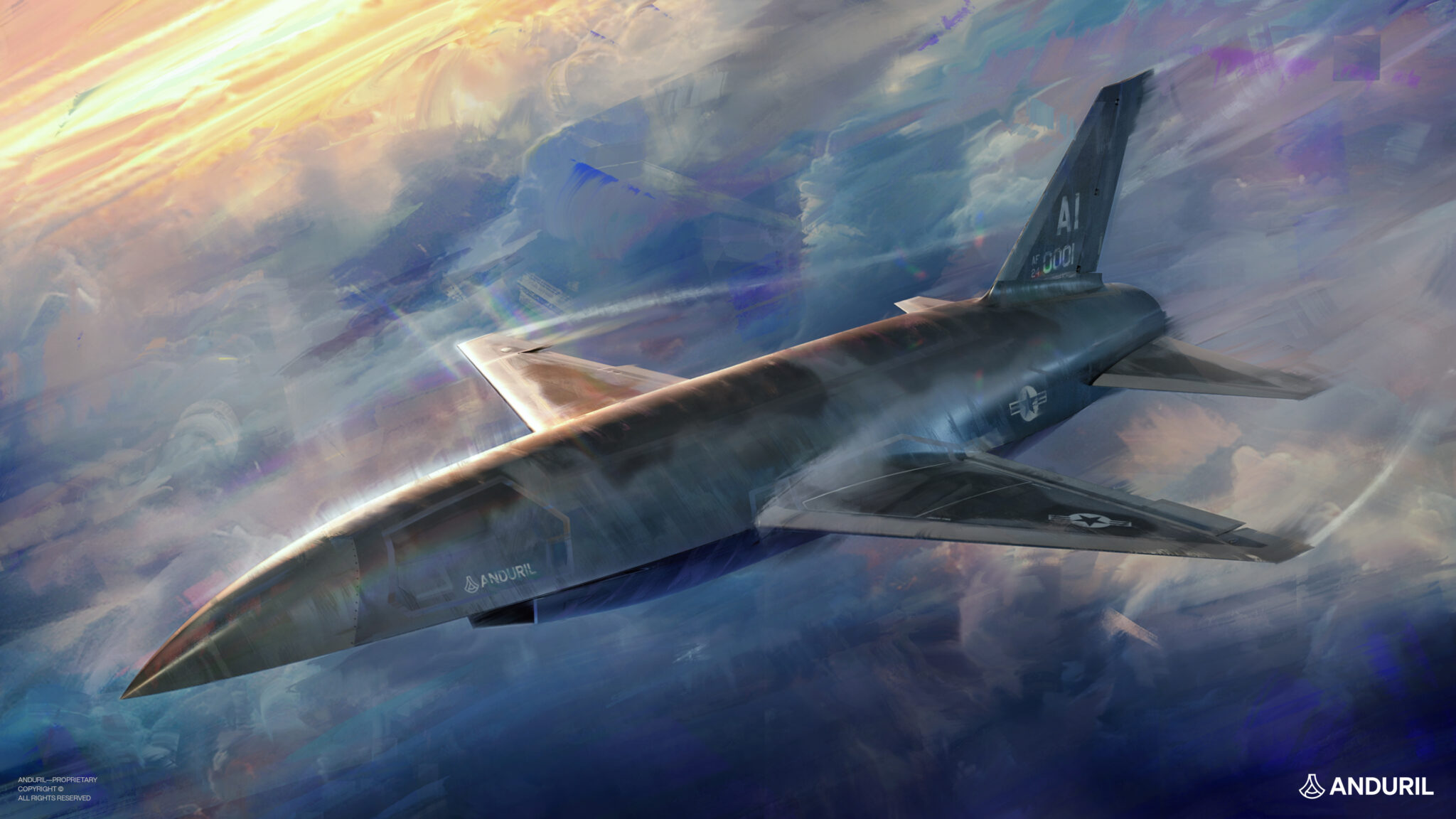
With the recent selection of Anduril Industries and General Atomics Aeronautical Systems (GA-ASI) for the initial phase of CCA development, the Air Force is considering the potential of involving multiple vendors in future production increments. The next phase of CCA development, scheduled for FY25, will offer opportunities for previously unsuccessful bidders and new participants to contribute to the program’s advancement.
While Anduril and GA-ASI have been tasked with building and testing prototypes for the CCA initiative, the cost implications of the program’s progression remain uncertain. GA-ASI’s spokesperson, C. Mark Brinkley, emphasized the company’s extensive experience in autonomous collaborative platforms and expressed confidence in meeting the program’s objectives, including cost targets, based on their proficiency in balancing cost, survivability, and mission capabilities.