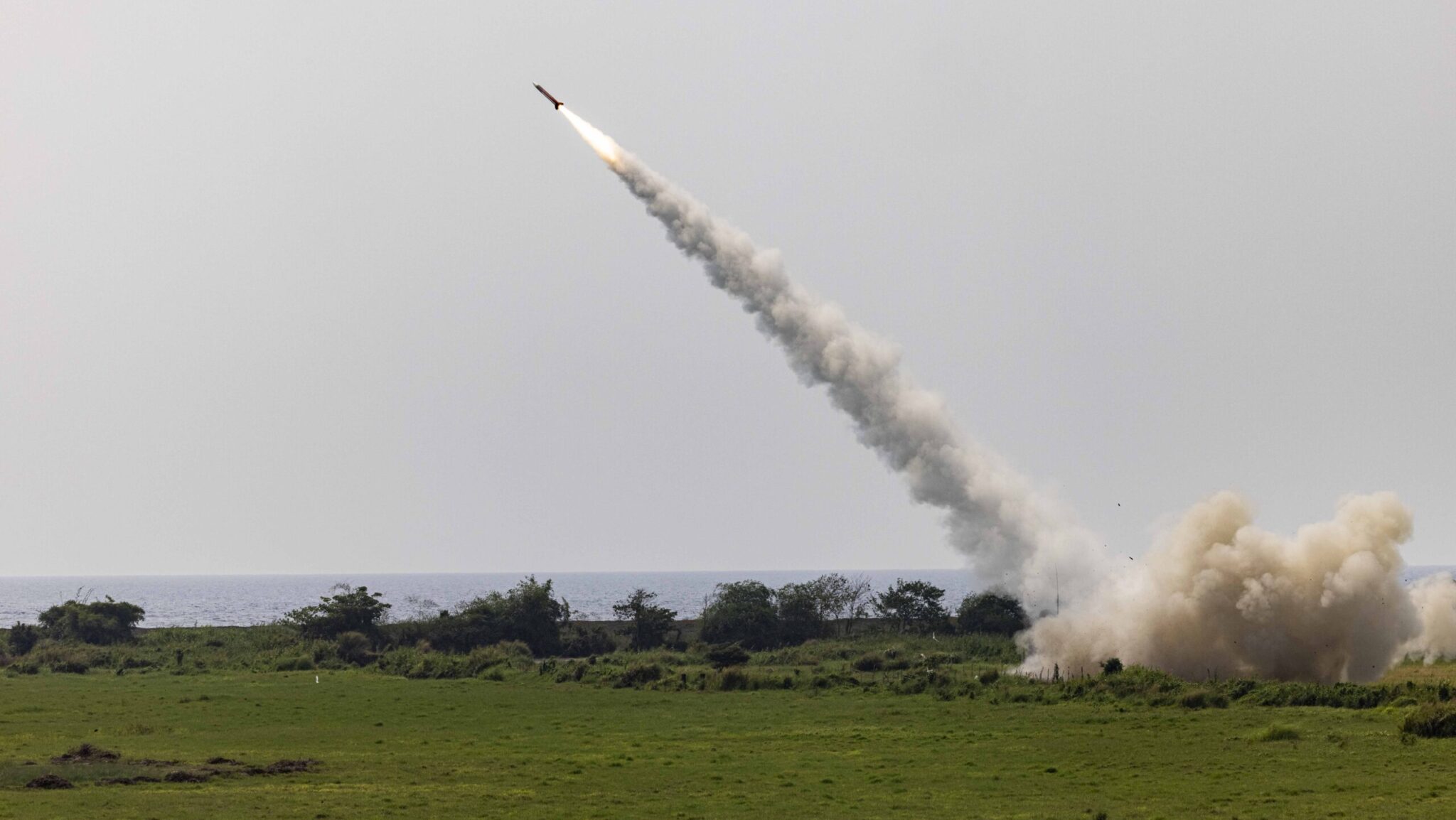
The US State Department has paved the way for Germany, Italy, and Denmark to acquire a significant range of US-made weapons, including a substantial $5 billion potential sale of approximately 600 Patriot missiles and associated equipment to Germany, as reported by the Pentagon’s Defense Security Cooperation Agency (DSCA).
Manufactured by Lockheed Martin, these advanced PAC-3 Missile Segment Enhancement (MSE) interceptors are in high demand, particularly as the conflict in Ukraine highlights the critical importance of air defense systems, prompting Western nations to replenish their military inventories. Germany has previously provided Ukraine with Patriot defense systems and missiles.
Lockheed Martin is increasing its missile production capacity, while RTX subsidiary Raytheon is making similar enhancements for the system’s launcher, radar, and other ground components. Boeing, which produces the seeker for the PAC-3, is also ramping up production and is on track for record output, despite reports from Reuters indicating that demand for the seeker currently exceeds supply. The DSCA noted in its announcement that Germany typically seeks „offsets,” or industrial arrangements that yield domestic benefits. Any offset agreement will be defined during negotiations, although the DSCA did not specify when deliveries are expected to commence.
In a separate transaction, the State Department has approved the sale of six Block 5 MQ-9 Reapers manufactured by General Atomics to Italy, including ground control stations and associated subsystems. This agreement is set to enhance Italy’s existing Reaper fleet and is valued at approximately $738 million, although, like the German deal, no delivery date has been provided.
Additionally, Denmark has received clearance from the State Department to purchase 5,832 M1156 Precision Guidance Kits for $85 million. These kits provide GPS guidance, converting standard 155 mm artillery shells into „smart” munitions.
Northrop Grumman is the primary contractor for these kits, and the DSCA release indicates that Copenhagen also typically requests offsets. The timeline for deliveries remains unclear.
Each announcement, issued as a congressional notification by the DSCA, is not the final step in the arms sale process; quantities and dollar amounts may change during negotiations. Today’s notifications also provide lawmakers a 30-day window to block the deals, although such actions are unlikely, given that the customers are close allies of the United States.
These arms transactions underscore the ongoing record-breaking growth of US weapons sales: On August 8, the Pentagon revealed that foreign military sales for fiscal 2024 had already surpassed $80 billion and could exceed $100 billion by year-end. This is a notable increase compared to FY23 sales, which previously set the record at $66.3 billion.