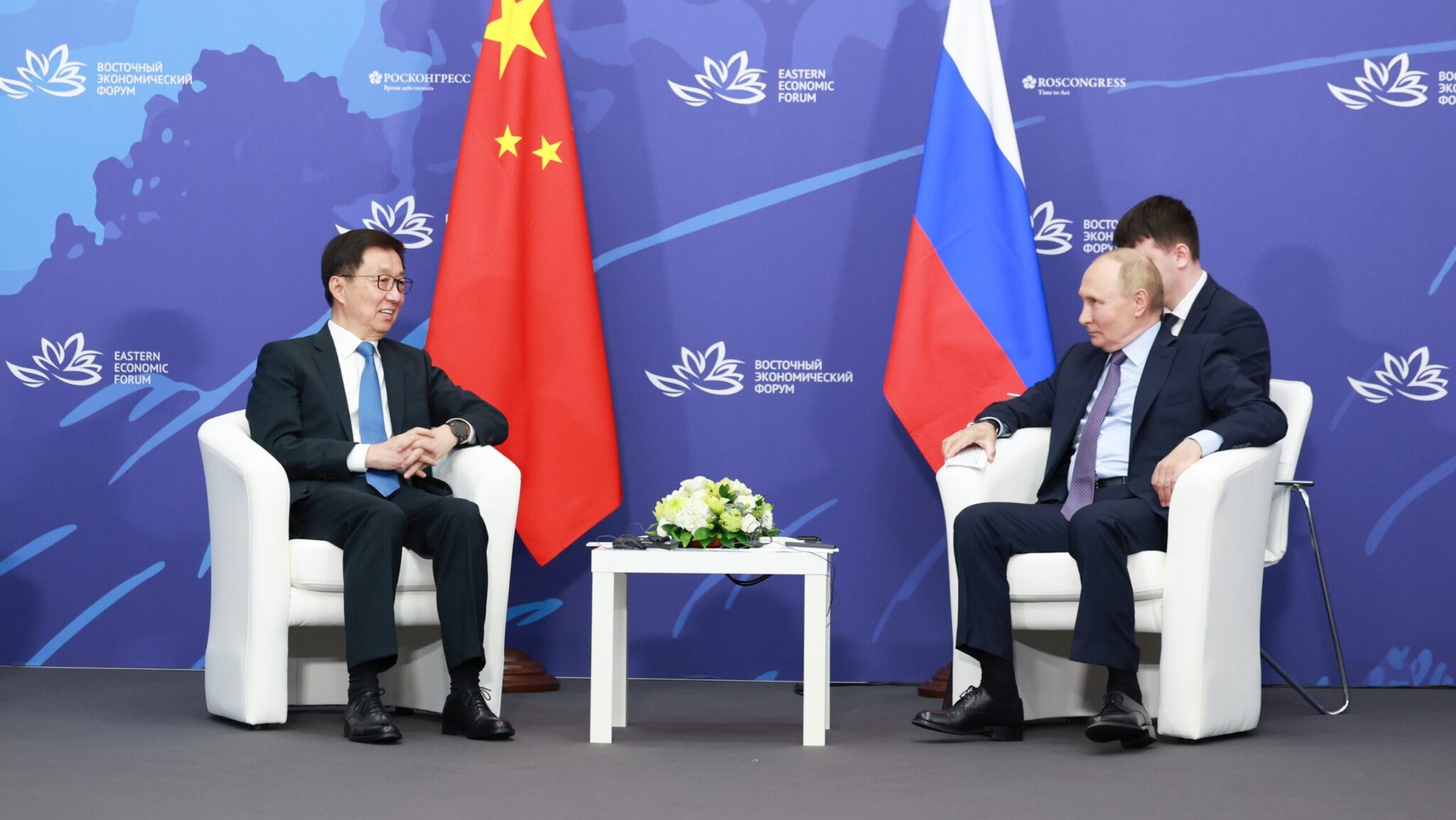
Despite China and Russia’s pronouncements of a „no limits” partnership and a „new era” of cooperation, the top US air commander in the Indo-Pacific region, Gen. Kevin Schneider, expressed skepticism, characterizing the relationship as a „partnership of convenience.”
Schneider, speaking at the Air and Space Forces Association Air, Space and Cyber conference, pointed to ongoing joint military exercises between the two countries, but raised concerns about the true extent and purpose of the cooperation. He stated that „politically, it is unclear to me their long-term goals and objectives other than to counter what the United States and allies and partners are doing.”
He further described the relationship as lacking a deep-seated connection based on shared values, a contrast to the US’s relationship with its allies. „I would describe [their cooperation] a little bit more as a partnership of convenience,” he said.
This assessment comes amidst escalating tensions between China and the US, with China’s aggressive actions in the South China Sea, including incidents involving the Philippines, drawing condemnation from the US.
Schneider highlighted that China’s actions are pushing more countries towards greater cooperation with the US, stating that „allies and partners around the region are seeing with incredibly clear eyes how these challenges, how these impingements on sovereignty, how these attacks in the diplomatic and information space are affecting them.”
While the US and China continue to engage in security talks, aiming to reduce the risk of conflict, Air Force Secretary Frank Kendall warned that the likelihood of war between the two nations is increasing as China’s military capabilities grow.
„I am not saying war in the Pacific is imminent or inevitable. It is not,” said Kendall. „But I am saying that the likelihood is increasing, and will continue to do so.”
This statement underscores the growing tensions between the US and China, highlighting the significant challenges presented by China’s assertiveness in the region.