The Defense Department has released its fiscal year 2024 report on Unidentified Anomalous Phenomena (UAP), finding no evidence of extraterrestrial life among the 757 documented sightings. However, it sheds new light on the Pentagon’s GREMLIN sensor suite, designed for detection and tracking of these incidents.
The report, compiled by the Department of Defense’s All-Domain Anomaly Resolution Office (AARO), includes 485 reported events that occurred between May 1, 2023, and June 1, 2024, along with 272 additional reports from 2021 and 2022 that were not previously communicated to AARO. Notably, many sightings were recorded near military bases and U.S. nuclear facilities.
AARO resolved 118 cases as involving mundane objects like balloons, birds, and unmanned aerial systems (UAS), with another 174 nearing closure for similar reasons. Jon Kosloski, director of AARO, emphasized the importance of investigating the small percentage of cases deemed potentially anomalous, noting that no verifiable evidence of extraterrestrial beings or advanced technologies has been found.
The report counters speculative claims made during recent Congressional hearings regarding hidden evidence of alien crafts and biological materials. Many reported incidents involved atmospheric sightings, primarily by civil and military pilots, with 708 incidents in the air domain, 49 in space, and none in maritime or transmedium domains.
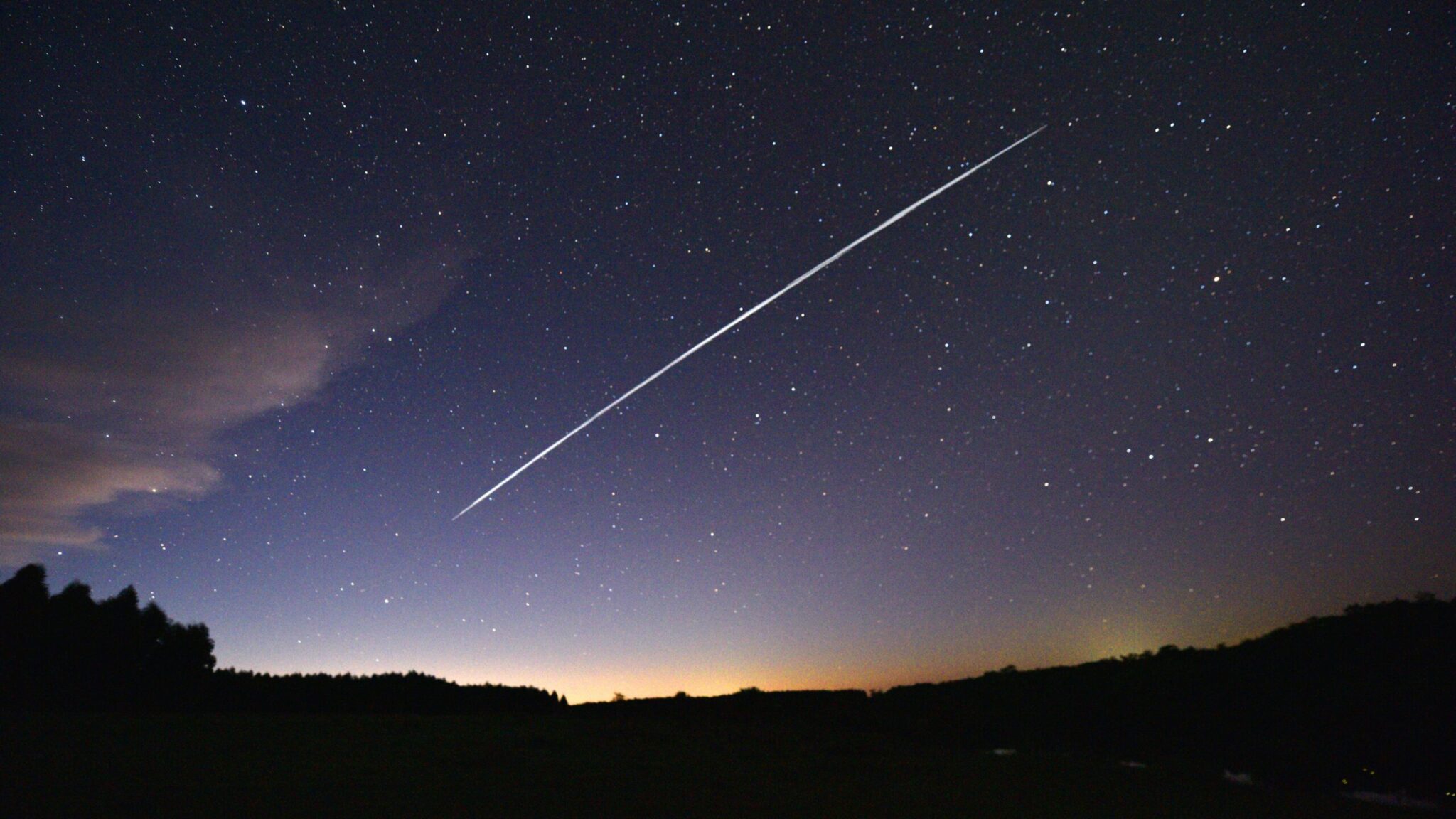
There has been an increase in reports of observers mistaking satellites from SpaceX’s Starlink constellation for UAPs. AARO noted its ability to resolve many of these instances to Starlink, and is exploring whether unresolved cases may also be linked to the growing number of low Earth orbit satellites.
The report also details AARO’s GREMLIN sensor network—a combination of 2D and 3D radars, along with long-range electro-optical and infrared telescopes—developed to enhance UAP detection capabilities. Recently, GREMLIN successfully collected data during a test in March and will soon be deployed at a „national security site” for a 90-day observational study.
While the exact location for GREMLIN’s deployment remains undisclosed to avoid bias in testing, Kosloski indicated that it was chosen due to its varied environment and previous UAP reports in the vicinity.
AARO is formulating a new science and technology plan to address existing challenges in UAP detection, such as the need for high-quality sensor data and knowledge gaps. The office plans to collaborate with international partners to expand its sensor network and data collection.
Kosloski acknowledged Congress’s concerns about UAP secrecy, explaining the complexity of the classification declassification process involving multiple agencies in the Intelligence Community. However, he reassured that AARO is taking steps to expedite the release of information while protecting sensitive data, including hiring declassification experts and planning a workshop to improve best practices across the Department of Defense and intelligence agencies.