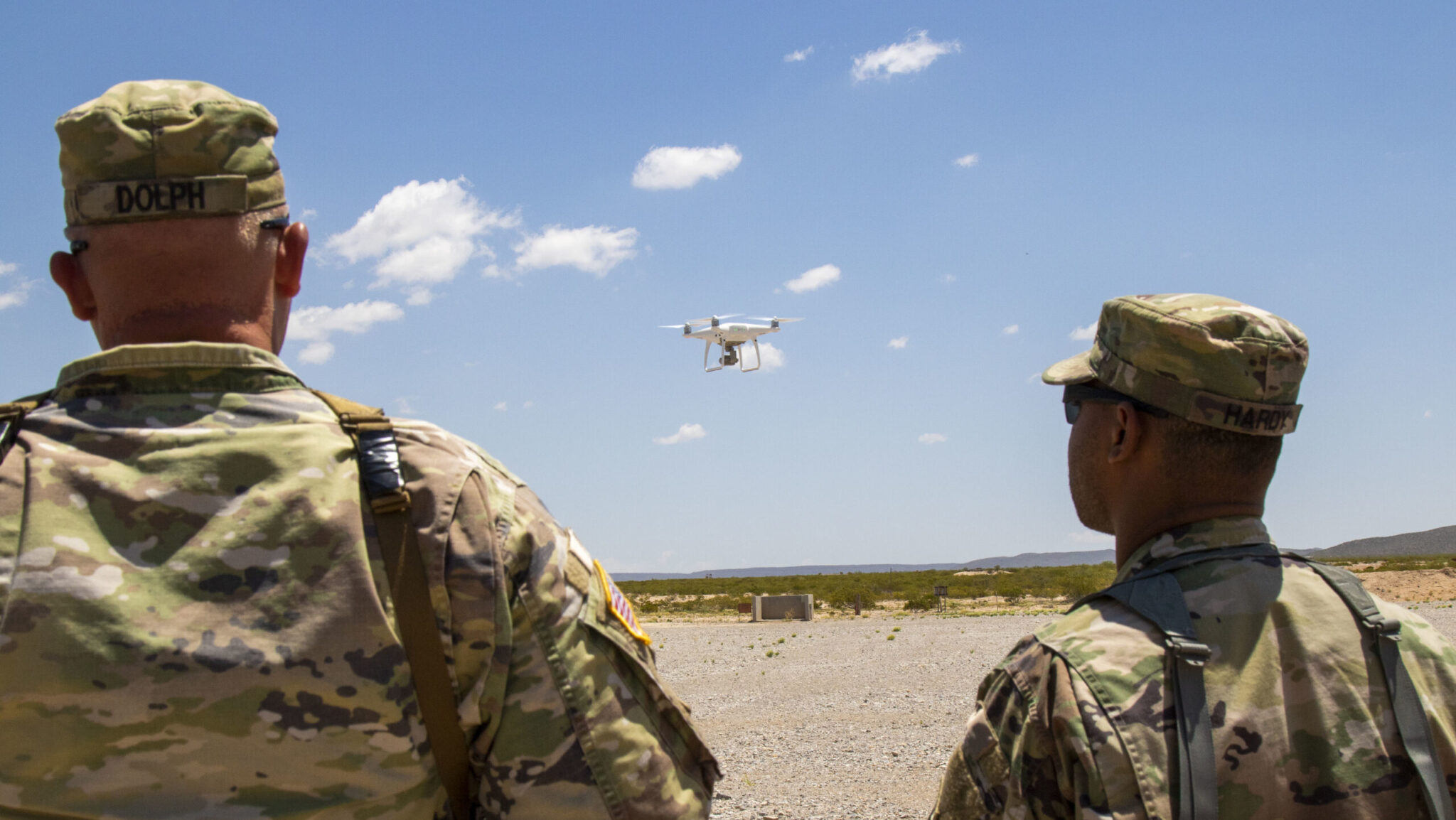
Recent Chinese sanctions impacting the American drone manufacturer Skydio underscore the ongoing entanglement of the US supply chain with Chinese entities, prompting calls for defense firms to diminish these dependencies. David Michelson, director of the autonomy portfolio at the Defense Innovation Unit (DIU), emphasized this caution during a Defense One event, stating, “As a former American soldier, I don’t want Chinese things in the hands of my fellow soldiers. Unacceptable.”
These remarks came in response to sanctions imposed by China on Skydio due to its business dealings with Taiwan, despite the company’s assertion that its only customer there is the National Fire Agency. Skydio noted in a blog post that while it sources components for its drones from outside China, it previously procured batteries from Chinese suppliers, which are now cut off due to the sanctions. The company is adapting by rationing its existing battery stock and actively seeking alternative sources.
While Skydio counts the US military among its clientele, the implications of China’s supply chain influence extend beyond the United States. Ukraine, which is currently resisting a Russian invasion, reportedly operates hundreds of Skydio drones.
The reliance on Chinese components in battlefield technology has long been a concern for the Pentagon and its allies. In response, the DIU initiated the Blue UAS program in 2020, aiming to rigorously vet and expand commercial unmanned aerial systems (UAS) technology to prevent reliance on adversary materials.
Compounding this issue, avoiding Chinese supply lines may soon be obligatory for companies wishing to engage with the US Department of Defense (DoD). A provision in Section 154 of the 2024 National Defense Authorization Act mandates that starting October 1, 2027, no DoD funds can be used to procure batteries from specified Chinese-owned or -operated firms.
In light of this, companies like Lyten, a Silicon Valley battery startup, are proactively distancing themselves from potential regulatory pitfalls. Lyten recently announced the acquisition of manufacturing assets from Swedish battery manufacturer Northvolt, enabling them to produce up to 175 megawatt-hours of Lithium-Sulfur batteries tailored for defense, drone, and energy storage needs. CEO Dan Cook highlighted that this expansion aligns with the DoD’s requirements under the 2024 NDAA.
The urgency of addressing the battery supply issue is underscored by Michelson’s assertion that the US must significantly invest in drone technology. He noted that lessons from Ukraine demonstrate the necessity of having a substantial volume of drones in the field, stating, “The more we can buy, the more that we can field, the more that we can have units have [drones] in their hands and learn, the better and better we’re going to get.”