During a recent event, Andrew Martin, an executive at Martin-Baker, expressed disbelief over claims made by a representative from competitor Collins Aerospace regarding the safety of Martin-Baker’s ejection seats. Martin criticized these allegations as fearmongering based on outdated data, stating, “Why would somebody want to put out data and tell pilots… things that are incorrect?”
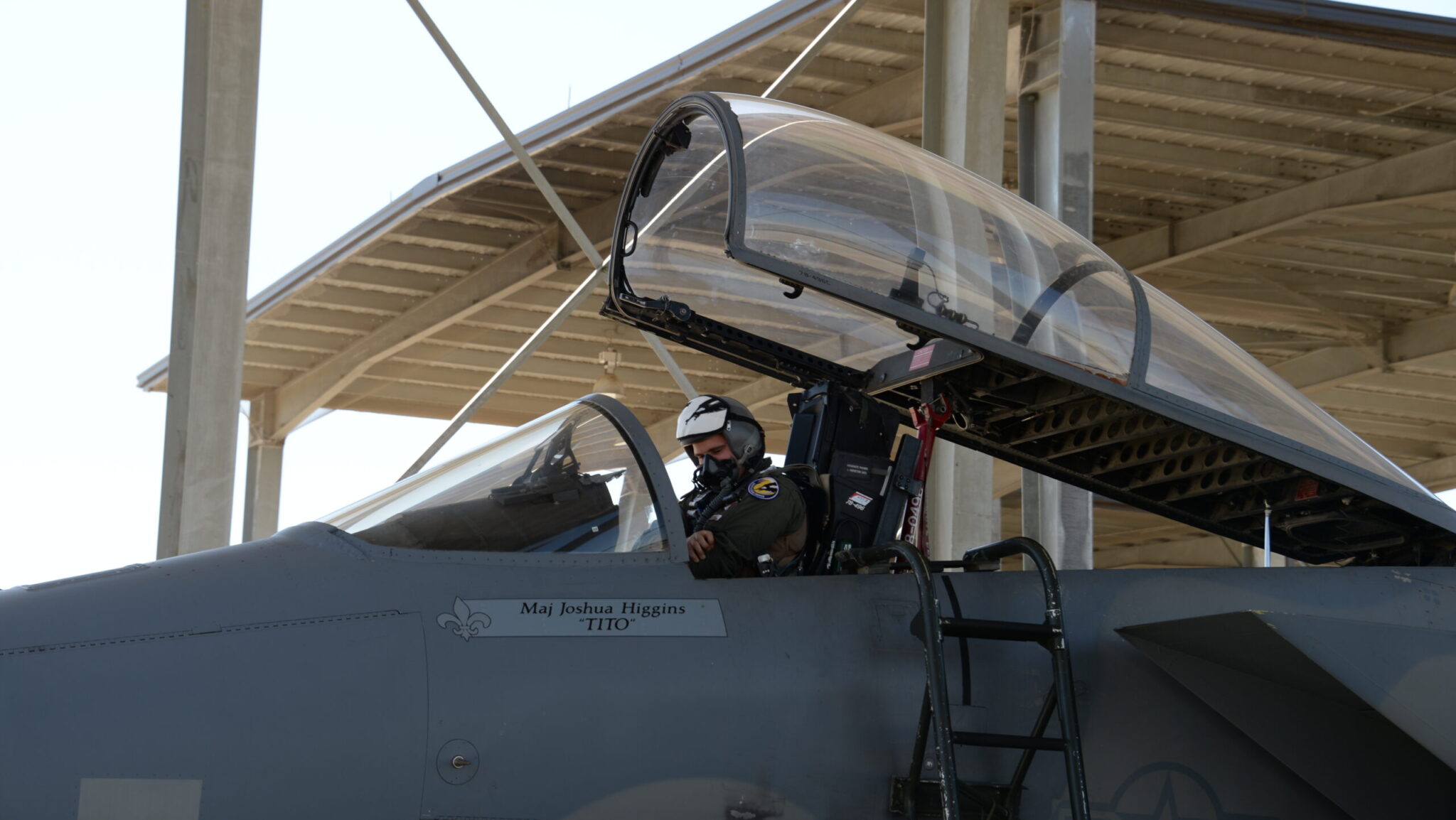
Safety remains paramount for both companies, especially given that ejection seats are used only in extreme emergencies. The timing of this dispute is critical, as the U.S. Air Force is nearing the conclusion of its review of the Next Generation Ejection Seat (NGES) program, currently contracted to Collins. Depending on the review’s outcome, the Air Force could overhaul its acquisition strategy, potentially shifting production rights for ejection seats across numerous U.S. aircraft models.
After the review, the Air Force might continue its existing strategy, which has Collins working on integrating ejection seats for the F-15E. However, a decision to pursue a competitive procurement process could present both firms with an opportunity to share work or for one to emerge victoriously.
According to JJ Gertler, an analyst with Teal Group, the ejection seat market is highly specialized, often leading to all-or-nothing contracts for winning manufacturers. He compared this tightly controlled market to the limited competition found in hockey resurfacing technology.
The Air Force’s interest in reevaluating its contract with Collins was prompted by significant delays in the NGES program, which are attributed to various factors, including the decision to retire the A-10 Warthog. Recent lapses have led the Air Force to solicit market research, perhaps indicating a shift in their strategy since the original sole-source contract awarded to Collins in 2019.
Currently, the Air Force aims to ensure safety and reliability in ejection seat technology as it reassesses the timeline for integrating these new systems. Both Martin-Baker and Collins have highlighted their commitment to enhancing pilot safety with modern designs and technologies.
Collins has asserted superior safety statistics for its ACES ejection seats, claiming a spinal injury rate of less than 1 percent during ejections, while Martin-Baker contends that their latest models also adhere to these safety standards and meet current military requirements.
As the competition heats up, both companies are striving to convince the Air Force of their capabilities. Collins remains confident in its established position, while Martin-Baker advocates for a collaborative approach that allows both firms to contribute to the NGES program.
Industry observers note that the stakes differ significantly for the two manufacturers. For Collins, a new contract adds to a diversified portfolio, while for Martin-Baker, winning the NGES contract is essential for its business, underscoring the pressure the UK-based company faces in securing its market position.