Introduction
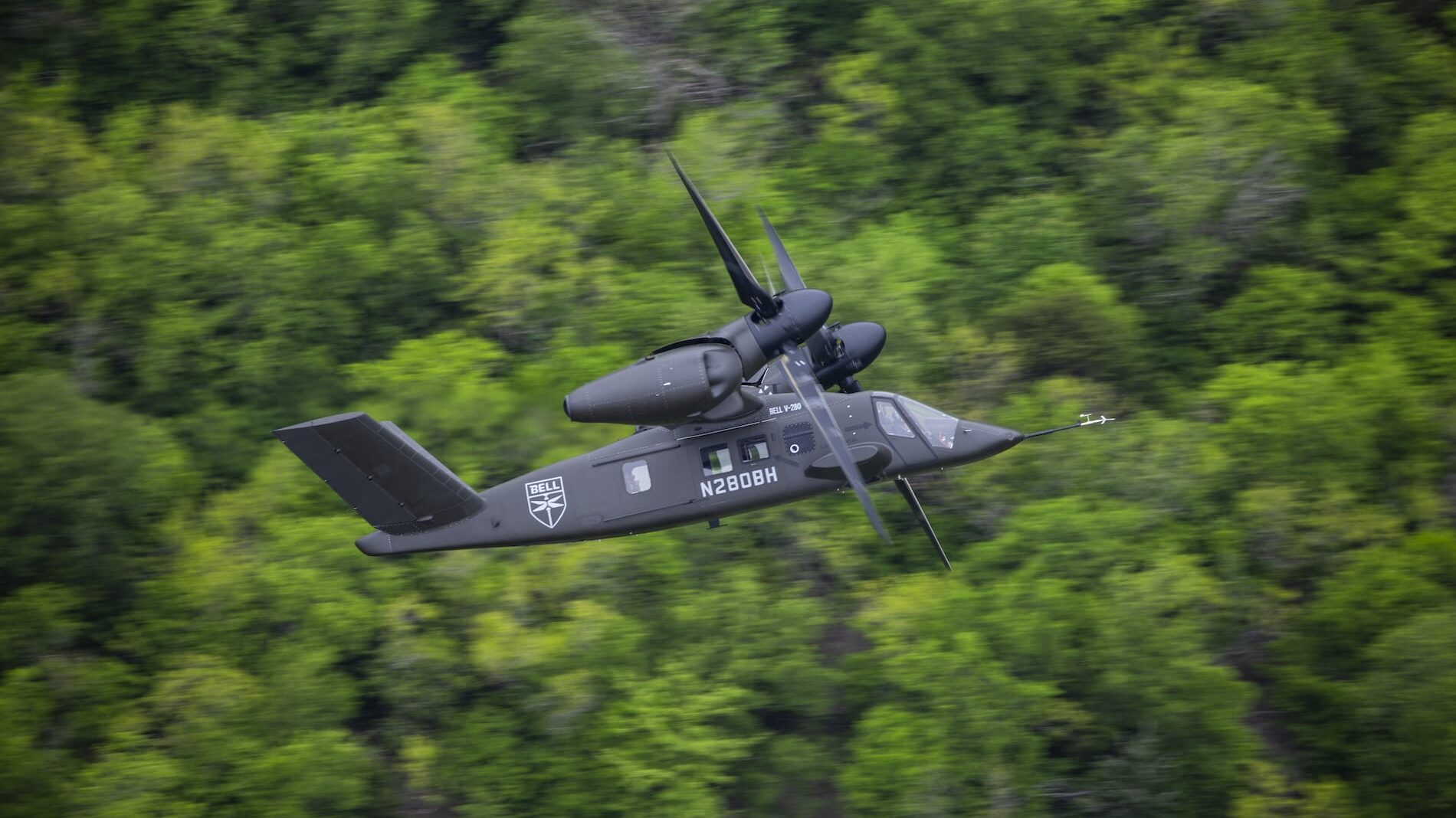
The U.S. Army is embarking on a significant new endeavor with the Future Long Range Attack Aircraft (FLRAA), marking the introduction of a new aircraft type for the first time in decades. This initiative presents various challenges for both the prime contractor and the associated supply chains, impacting the aircraft, its powerplants, and the essential digital infrastructure.
Current Status of the FLRAA Program
In a recent discussion with Breaking Defense, Col. Jeffrey Poquette, the FLRAA Project Manager, provided insights into the program’s current status. The program reached its Milestone B decision in the summer, initiating the Engineering and Manufacturing Development (EMD) phase. This next year will focus on finalizing the critical design of the aircraft, which will guide Bell in prototype production for upcoming tests. The culmination of this process will lead to a Milestone C decision in 2028, determining the transition to production of operational aircraft.
Logistical Challenges of Developing a New Aircraft Type
The introduction of a new vertical takeoff and landing (VTOL) aircraft like the FLRAA leads to substantial supply chain and logistical challenges. Historically, the last developmental rotorcraft in the Army was around 40 years ago, underscoring the complexity of establishing resilient supply chains. The COVID-19 pandemic exposed the fragility of supply logistics across industries, including defense. Although tiltrotor and helicopter supply chains present their own complexities, careful management remains paramount.
The FLRAA program has implemented a supply chain risk management team that evaluates everything from raw materials to finished products. A newly introduced „consent to subcontract” process requires subcontractors to demonstrate supply chain resilience and risk levels before engaging, ensuring that supply chain risks are managed proactively.
Key Capabilities and Supply Chain Management
Col. Poquette emphasizes the importance of managing potentially high-risk materials and the need for multiple sources of supply to mitigate risks. Manufacturing Readiness Assessments are also conducted to ensure that suppliers can provide the necessary components for the FLRAA.
Preparing the Industrial Base for Long-Term Production
The industrial base’s role is crucial as the Army prepares for FLRAA’s long-term production. There are two groups of companies: those already on Team FLRAA, approved by both Bell and the government, and those seeking entry into the FLRAA ecosystem. The Modular Open Systems Approach (MOSA) adopted by the Army encourages innovation and reduces dependency on original equipment manufacturers (OEMs) by allowing for competition within the supply base.
Balancing Developmental and Mature Technologies
The FLRAA program takes a balanced approach by focusing on high-maturity mission systems from existing aircraft like the Apache and Black Hawk while simultaneously advancing new technologies within the aircraft. This strategy mitigates risks and potential delays, leading to a more iterative development process.
Challenges with Engine Supply Chain
The FLRAA program will utilize the Rolls-Royce 1107F engine, which already exists and has a mature supply chain. While there will be modifications, relying on an established engine mitigates some embedded risks typically associated with developing an entirely new powerplant.
Digital Backbone as the Nervous System of FLRAA
A significant element of FLRAA is its digital backbone, which integrates both hardware and software into the aircraft. This backbone facilitates crucial networking and information relay, making it essential to the aircraft’s function. The emphasis on software capabilities reveals the program’s focus on efficiency in size, weight, and power.
Intellectual Property Control and Future Operations
The Army is committed to gaining greater control over intellectual property (IP) to ensure future modernization and reduce vendor lock. This proactive IP strategy emphasizes access over ownership and encourages contractors to provide what is essential for logistics, training, and maintenance functions without compromising their competitive edge.
Conclusion
The FLRAA program represents a transformative step for the U.S. Army in its aviation capabilities. By implementing strategies that prioritize supply chain resilience, foster innovation, and manage risks effectively, the Army aims to develop a capable and versatile aircraft. As the project progresses toward production, creating a collaborative atmosphere between the Army and its industrial partners will be crucial for navigating the challenges and opportunities that lie ahead.