Introduction
The recent collapse of Bashar al-Assad’s regime in Syria, coupled with Russia’s decision to refrain from intervening, has led to interpretations in the West portraying this as a sign of Moscow’s imperial overstretch and diminishing influence in the region. The prevailing narrative suggests that the Kremlin’s military commitments in Ukraine left it unable to support Assad effectively against the advancing rebel forces.
The Unwillingness vs. Inability Narrative
While this interpretation is compelling, it is crucial for analysts to distinguish between Russia’s inability to assist and its unwillingness. Vladimir Putin likely viewed support for Assad as a low-cost endeavor whose benefits had diminished as the conflict evolved. Therefore, Moscow’s decision reflects a strategic calculation rather than a sign of weakness.
Strategic Trade-offs
Russia’s strategy has always involved trade-offs, and it appears that the costs associated with continuing to support Assad outweighed the benefits. Misreading this decision could lead to underestimating Russia’s resilience and strategic foresight.
Implications of Assad’s Fall
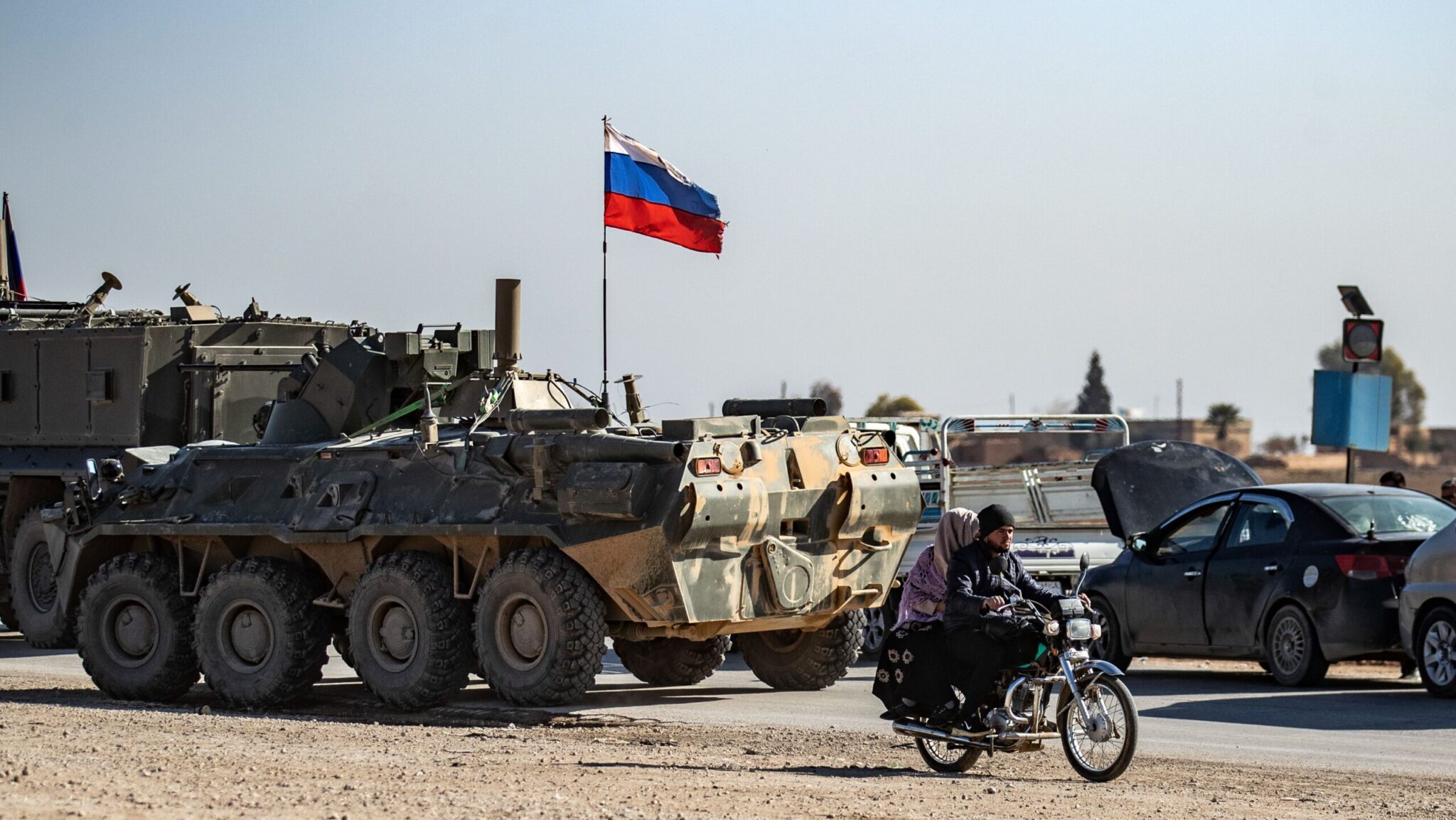
The fall of Assad represents a significant setback for Moscow, especially considering the investment of resources and political capital since the 2015 military intervention. Although comparatively modest next to U.S. investments in the region, Russia’s support allowed it to establish an influential foothold in the Middle East and eastern Mediterranean, with naval bases serving critical operational purposes.
Assessing the Impact of the Ukraine Conflict
Critics who attribute Russia’s diminished engagement in Syria directly to its commitments in Ukraine overlook the nature of its initial involvement. Russia’s support has primarily involved air power, advisory roles, and private military contractors rather than a substantial ground presence.
Operational Realities and Future Engagement
There is speculation regarding whether Russia would have increased its military support for Assad if not engaged in Ukraine. However, the Assad regime’s rapid collapse indicated that further assistance might not have been viable. The costs of any potential counteroffensive would have been significant, contradicting Moscow’s preference for a low-cost operation with minimal casualties.
Future Positioning of Russian Forces
The long-term future of Russian forces in Syria remains uncertain. Reports suggest a possible repositioning of troops from operational bases to the Khmeimim airbase and the port of Tartous, and even a potential withdrawal from the country. The outcome of this repositioning bears implications for U.S. anti-Islamic State operations, which may have become easier in the absence of Russian air defenses.
Broader Consequences for Autocratic Regimes
Russia’s recent actions send a critical message to autocratic regimes, particularly in Africa. It suggests that Moscow will support regimes as long as they maintain the ability to govern effectively and align with Russian interests. Conversely, once a regime falters, the Kremlin may reassess its support and shift strategies.
Conclusion: The Dual Nature of Assad’s Fall
The fall of Assad signifies a setback for Russia but also illustrates the Kremlin’s strategic adaptability. Engaging solely in concern over this setback without recognizing its strategic flexibility is wishful thinking, which carries the risk of underestimating Russia’s actions both in Syria and beyond. As the geopolitical landscape evolves, the responses of various actors, including the United States and Israel, will be pivotal in shaping future dynamics in the region.