A Paradigm Shift in Space Operations
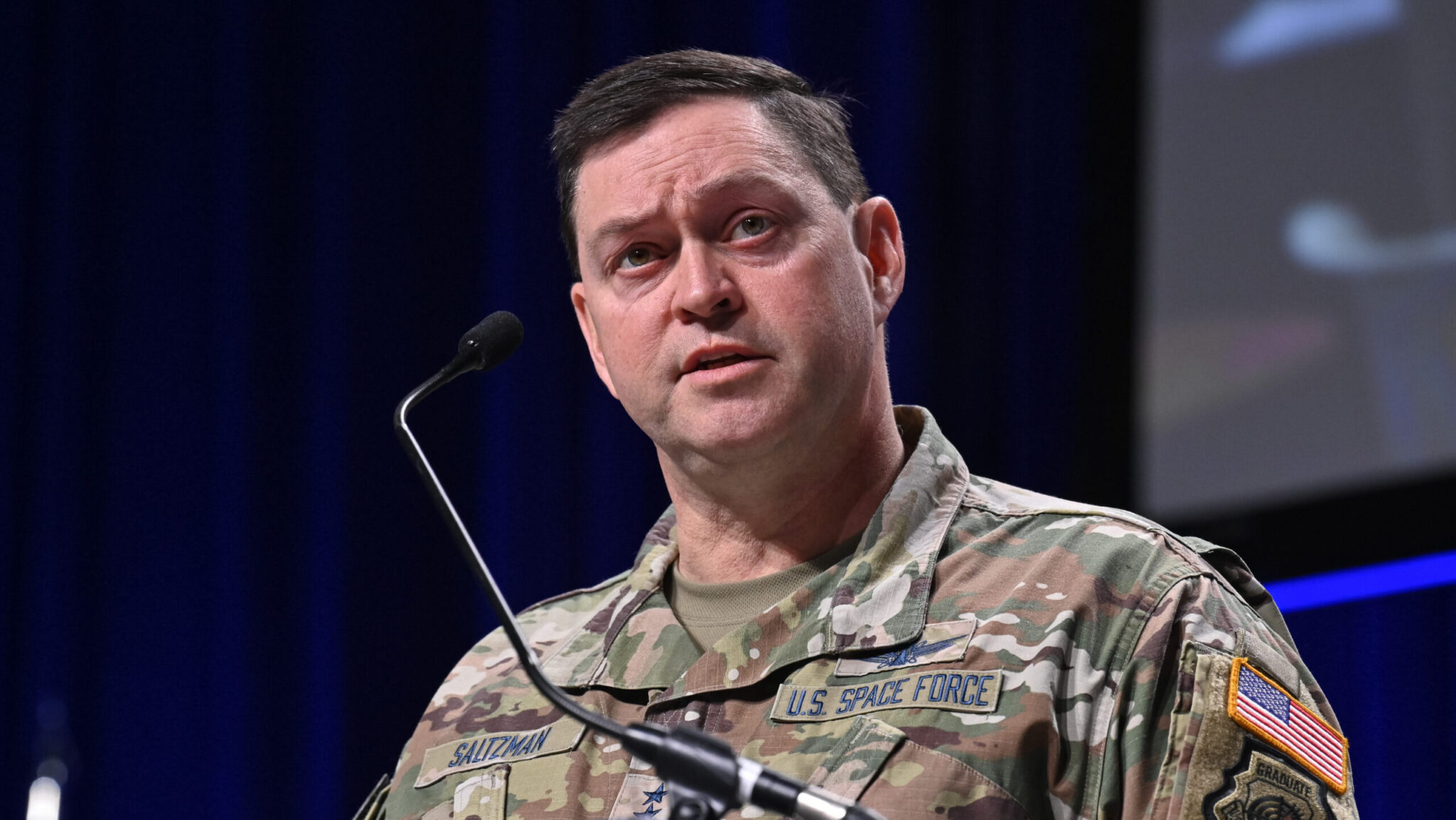
The Space Force has officially launched its new capstone doctrine document, marking a significant shift in its operational focus. This move, spearheaded by Chief of Space Operations Gen. Chance Saltzman over the past two years, transitions the service from its traditional role of providing critical support functions to the US military toward becoming an active player in „waging war in, from, and to space.”
„Space is now recognized as a warfighting domain, not just a collection of supporting activities,” Saltzman asserts in his forward to the newly released Space Force Doctrine Document 1 (SFDD-1). He emphasizes that in conflicts, space will become a contested environment, with the Space Force dedicated to achieving superiority within it. „We do not merely provide support functions — we also employ military force to ensure our freedom of maneuver,” he adds.
Defining Mission and Scope
According to the Space Force, SFDD-1 articulates the essence of its mission: defining „why we fight, who we are, what we do, and how we integrate into the joint force.” The doctrine outlines the critical role of national and military spacepower, along with the foundations and statutory responsibilities guiding the service. It delineates the inherent values and structures governing officer, enlisted, and civilian roles while establishing the functional organization of the USSF and its key relationships.
Moreover, SFDD-1 explicates the core functions of spacepower, including space control, global mission operations, and space access, along with fundamental principles of command, control, mission management, and battle tactics.
A Focus on Space Warfare
The new doctrine supersedes prior publications and builds upon a host of informal writings by Saltzman, which have adopted a more combative tone. Among these are his Commander’s Notes and a notable September 24 memo on „Military Space Operations Terms of Reference,” which sometimes diverged from joint force doctrine on space warfare concepts.
With SFDD-1, the Space Force underscores that its primary mission is space warfare, relegating support roles, such as satellite communications, to a secondary focus. However, the document still recognizes the significance of „Global Mission Operations” in ensuring that the US military can „out-see, out-shoot, out-maneuver, and out-communicate any adversary.” This includes essential capabilities in SATCOM, navigation warfare, missile warning and tracking, and space-based targeting.
Strategic Objectives in Warfare
Under the section titled „Space Warfare,” SFDD-1 declares that to fulfill its mission, the Space Force must be ready to conduct warfare aimed at deterring or compelling adversary behavior and undermining their strategic intentions. This inherently encompasses the ability to apply force across all domains, leveraging the capabilities of the space domain.
The doctrine elaborates on four critical „activities” necessary for achieving these strategic objectives:
- Deterring or denying attacks on friendly space capabilities by posing risks to adversary space forces.
- Compelling adversaries to halt aggressive actions across all domains by disrupting or destroying their space capabilities essential to military objectives.
- Undermining adversaries’ strategies that threaten friendly space capabilities through decisive actions in the space domain.
- Enabling terrestrial forces to apply force across all domains by providing a combat edge derived from space capabilities.
The release of SFDD-1 marks a pivotal moment for the Space Force, solidifying its role as a key player in modern warfare within the increasingly contested domain of space.