High-Stakes Competition Heats Up for F/A-XX Development
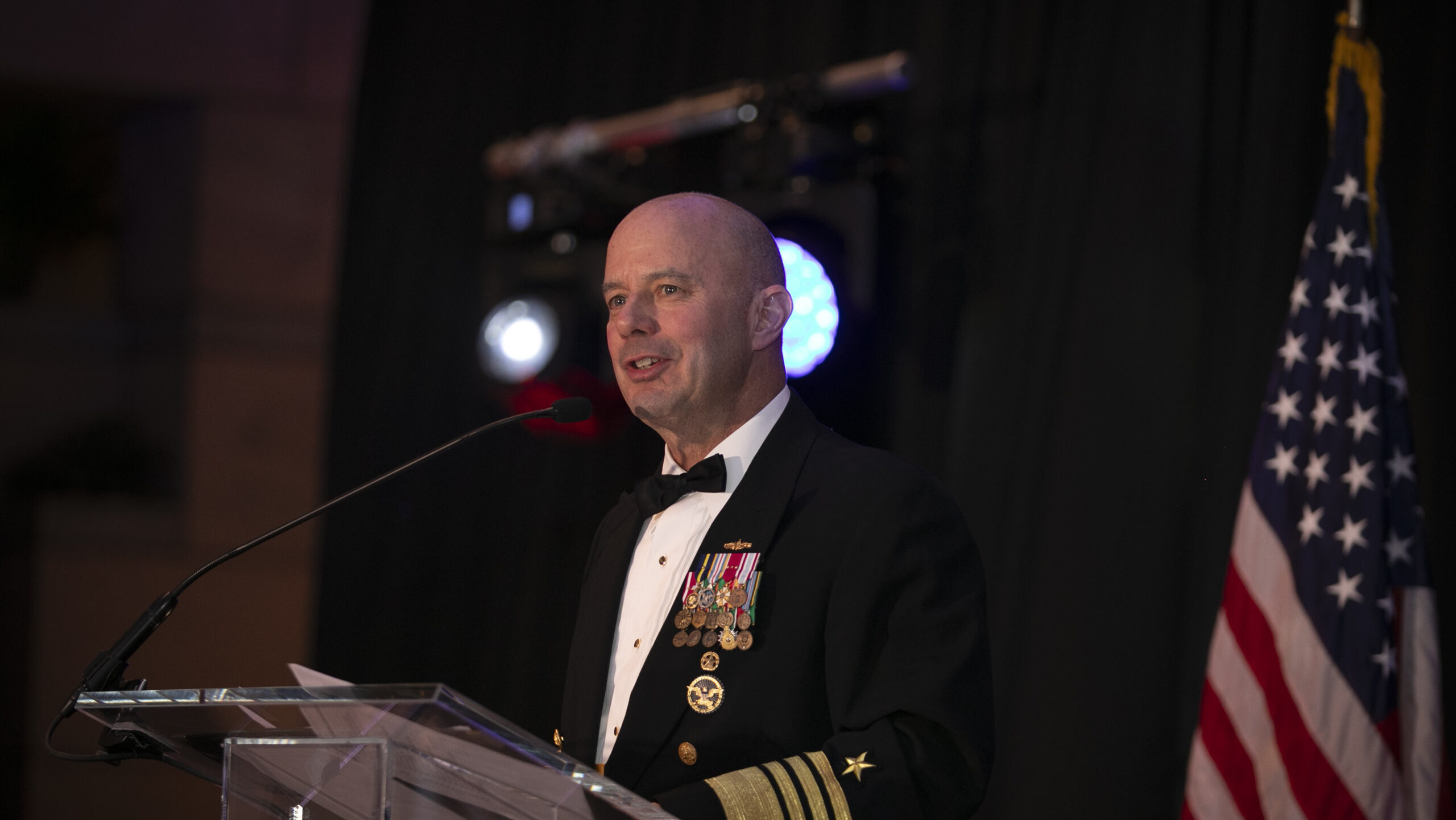
The final decision regarding the contractor for the Navy’s next-generation fighter aircraft is currently under intense discussion among top military officials, according to Acting Chief of Naval Operations Adm. James Kilby. Speaking on the opening day of the Sea Air Space exhibition just outside Washington, DC, Kilby emphasized the critical importance of this decision.
“It’s a decision at the secretary-level and above, and they’re working that now,” Kilby told reporters. He acknowledged the urgency surrounding the new fighter, stating, “I don’t want to get ahead of the contract decision, but I will tell you we need F/A-XX in the United States Navy just like the Air Force says. I mean, we’re talking about a fight in the Pacific. We fight together as a joint force, so having that capability is very important for us.”
Context of the Competition
Kilby’s remarks come on the heels of a notable announcement by President Donald Trump and Defense Secretary Pete Hegseth regarding Boeing winning the Air Force’s Next-Generation Air Dominance (NGAD) competition, now referred to as the F-47. However, despite speculation that a decision on the F/A-XX was imminent, no announcement regarding the Navy’s next-generation fighter has surfaced.
The competition for the F/A-XX is reportedly down to Boeing and Northrop Grumman after Lockheed Martin withdrew from the bidding process, as previously reported by Breaking Defense.
Key Attributes and Technological Innovations
Rear Adm. Michael Donnelly, director of the Air Warfare division for the Chief of Naval Operations, revealed in a separate panel discussion that a crucial feature of the F/A-XX will be its enhanced range, expected to achieve “probably” 125 percent of the current capabilities to provide greater flexibility and operational reach.
Similar to the Air Force’s NGAD, the F/A-XX is anticipated to operate alongside drone wingmen, known as Collaborative Combat Aircraft. Donnelly highlighted that the integration of artificial intelligence and other advanced technologies will facilitate a “fully integrated architecture” with the unmanned systems set to be deployed alongside the new fighter.