New Metrics for Fleet Readiness Unveiled
In a significant update regarding the operational capabilities of the Navy, Adm. James Kilby, the acting Chief of Naval Operations (CNO), announced the current surge readiness levels of various fleets during the Sea Air Space Exposition on Monday. This marks the Navy’s first disclosure of readiness metrics since the establishment of an ambitious goal set last year: achieving 80 percent surge readiness by 2027.
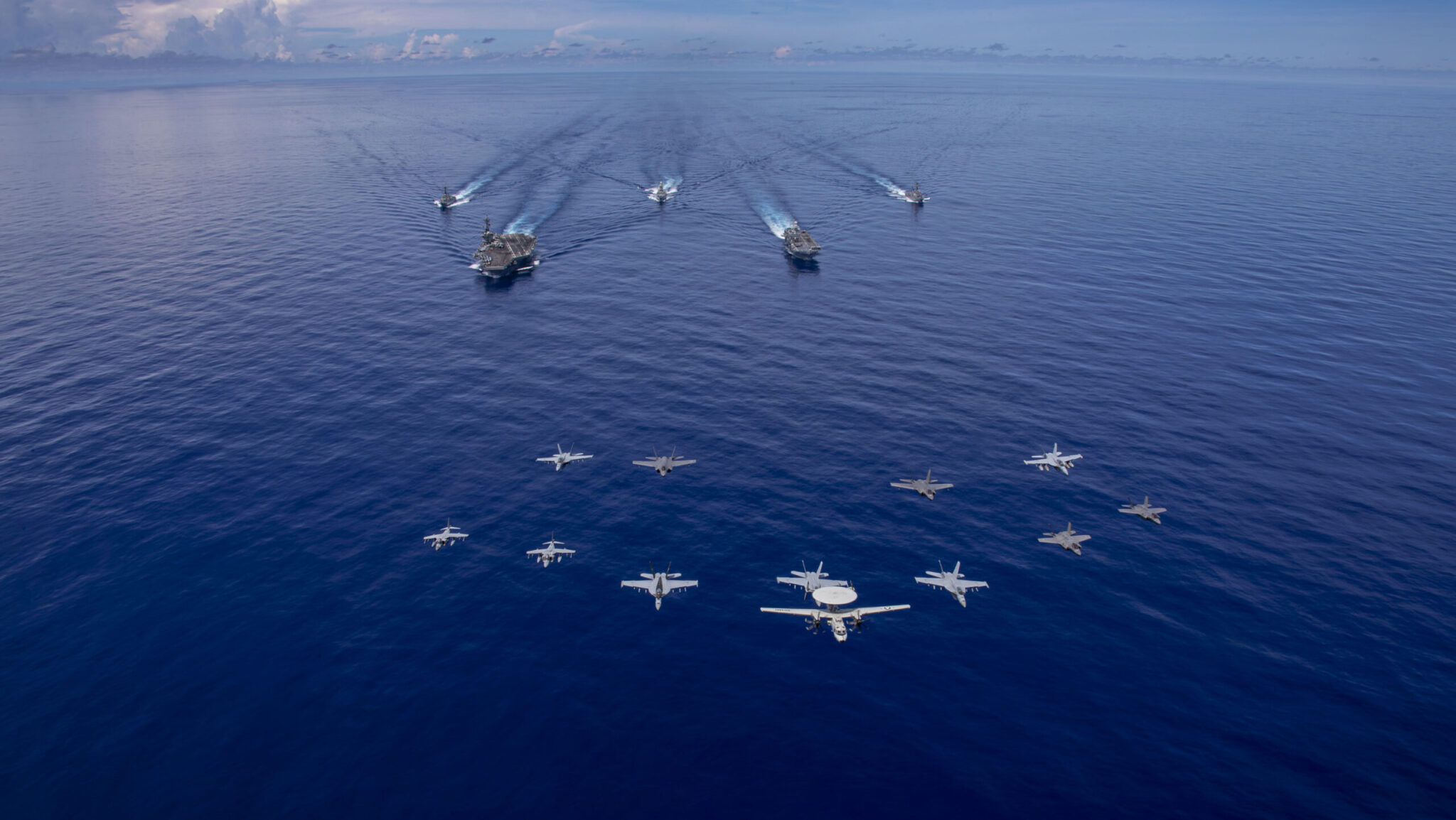
Kilby, who stepped into his role as acting CNO in February following the dismissal of Adm. Lisa Franchetti, provided a breakdown of readiness among key naval components. The submarine fleet stands at 67 percent surge readiness, surface ships at 68 percent, and the aviation elements, which include six carriers and their air wings, at 70 percent.
Aiming for 80 Percent by 2027
Franchetti’s 2024 „Navigation Plan” set forth this 80 percent combat surge readiness target, primarily to bolster the Navy’s posture in anticipation of potential conflicts with China in the Indo-Pacific region. As global demands on naval forces increase due to ongoing conflicts in Ukraine and the Middle East, Kilby reaffirmed the commitment to this initiative.
Addressing concerns over whether the Navy is being overstretched, Kilby acknowledged the high demand for naval resources. He recalled experiences from his previous role as deputy commander at U.S. Fleet Forces, stating that he often found himself scrambling to allocate ships for surge operations. „I’m just trying to formalize that process,” he said, referring to the Navy’s evolving strategies.
Operational Efficiency Improvements
Before addressing journalists, Kilby led a panel discussion centered on the Navy’s pursuit of improved combat surge readiness, joined by top three-star officers responsible for overseeing ship, aircraft, and submarine operations and acquisitions.
Vice Adm. Brendan McLane, the head of surface warfare, shared insights on maintenance efficiency, noting that shorter maintenance availabilities are increasingly being completed on time. He elaborated on plans to enhance the frequency of ship maintenance periods while limiting each to 100 days, asserting that “a shorter avail is simpler just by design.”
In a push for enhanced operational readiness, McLane announced a pilot program for amphibious ships aimed at expediting necessary work. By awarding contracts several months earlier than usual, the Navy hopes to give all parties involved ample time to prepare for maintenance.
Addressing the challenges faced by the submarine fleet, Vice Adm. Rob Gaucher pointed out that the public shipyards currently service 17 submarines, exceeding their capacity of 10. “Crushing that delta down to 10 is really what’s going to let me drive my combat surge readiness to 80 percent,” he asserted.
Proactive Measures for Material Readiness
Vice Adm. Jim Downey, head of Naval Sea Systems Command, highlighted a strategic shift in material procurement for ship repairs and new construction. He reported that previously, a significant amount of required materials was ordered only after the maintenance period began, sometimes accounting for up to 50 percent of all materials. “It was a self-fulfilling prophecy,” he noted.
By making a proactive change to order materials ahead of availability, the Navy aims to streamline operations and significantly enhance overall readiness, aligning with the broader objective of achieving 80 percent combat surge capacity by 2027.