A Bold Initiative for Budget Reduction and Efficiency
The new administration has launched a robust plan aimed at reducing overall spending, enhancing governmental efficiency, and prioritizing innovation—an essential focus that is long overdue. While large-scale program cancellations and sweeping policy shifts may be attractive goals, immediate and smaller reforms can significantly boost the operational capabilities of warfighters on the ground.
Promoting Development Testing Through the Defense Innovation Unit
One specific reform that the administration should seriously consider is amplifying funding for development testing (DT), evaluation, and initial procurement via the Defense Innovation Unit (DIU) Fielding line. Established in fiscal year 2024 and continued into 2025, this initiative allocated $220 million each year for “Support to Combatant Commands.” As House Appropriations Committee Chairman Ken Calvert aptly pointed out, the true advantage of these funds lies in the associated General Provision, which offers the most flexible funding model within the Department of Defense (Public Law 18-47, Sec. 8141). This flexibility is crucial for overcoming the delays often encountered in transitioning innovative technologies.
Navigating Challenges in New Initiatives
Despite the promise of change, it is recognized that implementing new initiatives is often fraught with difficulty. Two pivotal questions remain: (1) Is the legislation designed to support these efforts adequate? and (2) Are the military services fully embracing this opportunity?
Combatant Commanders are the critical end users of defense technologies, possessing the contextual knowledge necessary to understand regional threats and the timeframes required to synchronize strategy with operational objectives. They should not be hindered by the outdated Planning, Programming, Budgeting, and Execution (PPBE) system or the restrictive five-year defense plan, both of which are ill-equipped for the swift testing and procurement of low-cost, scalable technologies vital for contemporary warfare.
Enhancing Support for Combatant Commands
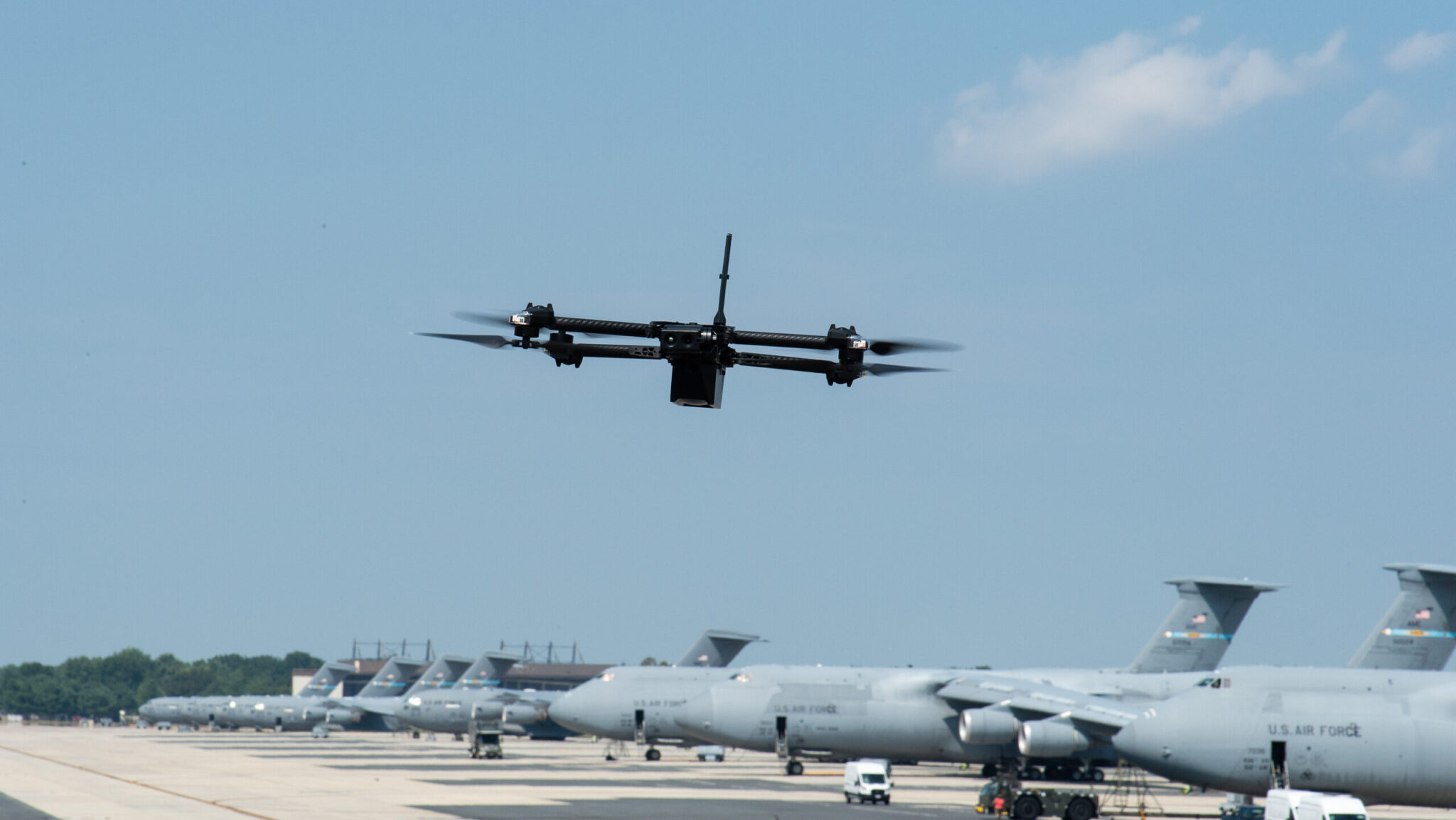
Expanding support for Combatant Commands (COCOMs) through the DIU Fielding line will provide the agility and speed needed to test and evaluate capabilities that they have identified as essential for mission success. For instance, under the Replicator initiative, Indo-Pacific Command (INDOPACOM) has received several unmanned aerial vehicle options but lacks adequate funding for thorough evaluation. Testing these platforms is critical to compare their efficacy, refine selections, and guide procurement decisions, while also fostering acceptance and helping the services channel their efforts toward a formal program of record.
Learning from Modern Conflicts
The recent conflicts in Ukraine and the Middle East underscore the rapid evolution of warfare, highlighting the obsolescence of certain legacy programs. Incoming defense nominees have expressed interest in scalable, affordable, and attritable autonomous platforms, demonstrating that agility, scale, and mass have become crucial drivers of combat power and deterrence, overshadowing traditional high-cost complexities.
By building on the authority of the DIU Fielding line, the DoD can expedite the delivery of innovations to warfighters while allowing services to assess new technologies in relation to the broader force structure. The initiative was designed to test whether flexible funding could lower barriers to progress and accelerate the delivery of capabilities to those in the field. If executed responsibly, the data reported will likely support increased investments in the DIU Fielding line, particularly for initiatives aimed at “Support to Combatant Commands.”
Addressing the Fast Approaching 2027 Timeline
As the DoD pivots its focus to Asia with the approaching 2027 timeline, INDOPACOM — the command tasked with deterring or defeating China — cannot afford to be stymied by bureaucratic delays. In order to swiftly adopt advanced technologies, INDOPACOM requires funding to test, refine, and deploy effective solutions rapidly. Its growing partnership with the DIU is a positive step that will facilitate the identification and acceleration of viable technologies. However, without adequate innovation funding, INDOPACOM may struggle to evaluate technologies in a timely manner, limiting agility and delaying the provision of critical capabilities.
Inspiration from Successful Models
Two notable models exemplify alternative approaches for accelerating technology to warfighters. The first is the Special Operations Command (SOCOM), which, endowed with Title 10 train-and-equip authority and its own operational funding, adeptly differentiates between immediate needs for special operations and those better suited for more conventional service-led programs. This tiered approach allows for nimble assessment, testing, and procurement of specialized technologies, enhancing operational effectiveness.
The second model, In-Q-Tel (IQT), illustrates the power of stakeholder alignment. With 25 years of success, IQT excels at identifying technology gaps and fostering connections among innovators, funders, and end users. Ongoing meetings, testing, and evaluations facilitate alignment, thus driving speed and consistency across reviews and demonstrations while simplifying transitions to deployment.
A Call for Empowerment and Innovation
Implementing new practices is inherently challenging, and no new authority can claim to be a comprehensive solution. However, empowering Combatant Commanders through avenues like the DIU Fielding line is a significant first step that the Department of Defense (DoD) should not overlook. This initiative presents a unique opportunity provided by Congress to enhance operational efficiency, reduce taxpayer waste, and ultimately increase the effectiveness of warfighters in the field.
By embracing flexibility and innovative funding models, the DoD can create a more responsive and agile defense system that meets the urgent needs of today’s evolving conflict landscape. Future support for the DIU Fielding line will not only foster an innovation ecosystem within the military but also ensure that U.S. forces are equipped to face modern challenges with the necessary technology and capabilities.