Excess Infrastructure and Budget Struggles
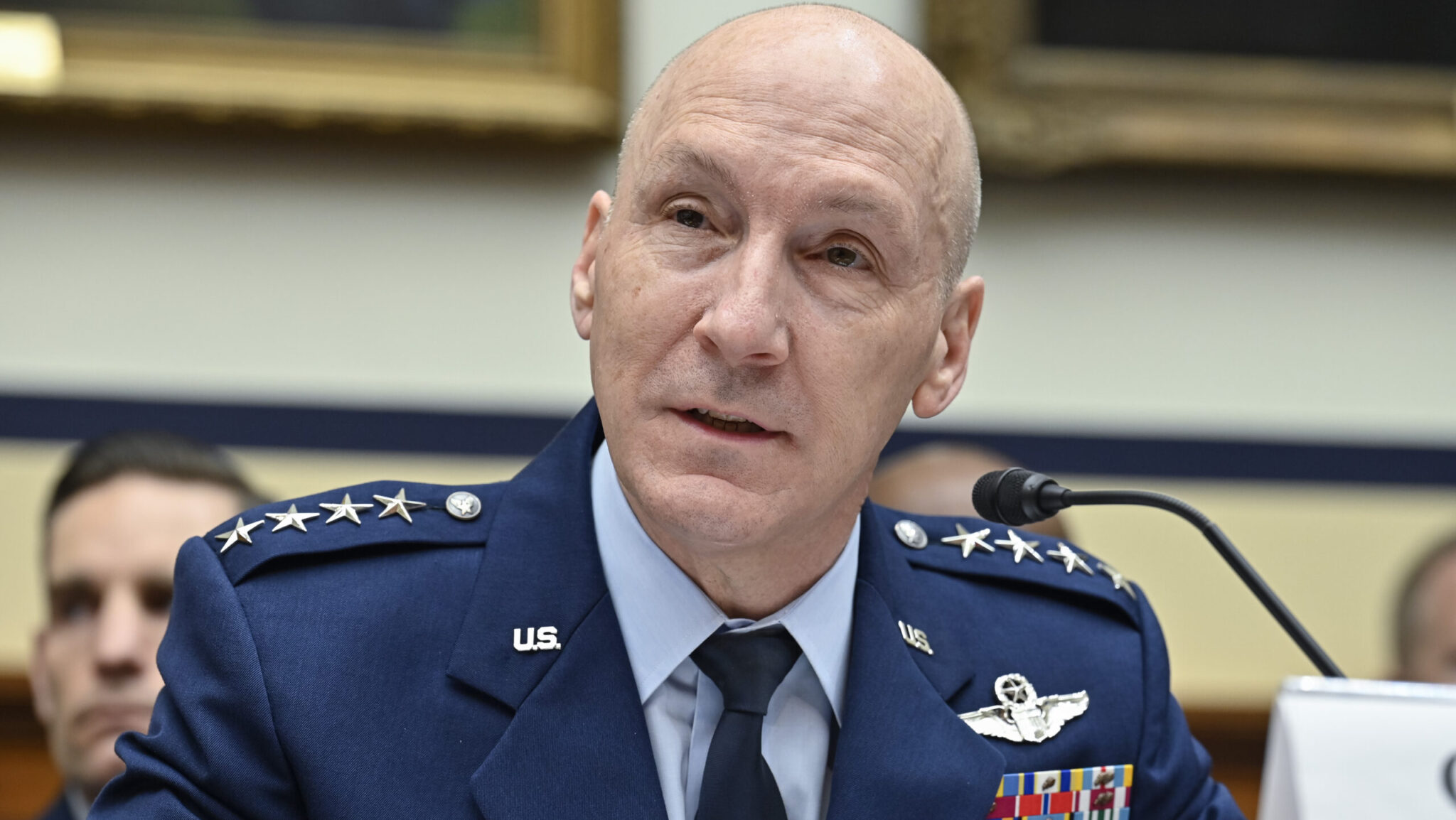
Air Force Chief of Staff Gen. David Allvin has consistently emphasized a pressing issue: the U.S. Air Force faces about 30 percent excess infrastructure. Addressing this concern at the Apex Summit in Maryland, Allvin expressed frustration over congressional decisions that he believes complicate efforts to reallocate resources towards top military priorities.
Allvin criticized legislation from the fiscal year 2025 National Defense Authorization Act (NDAA), which mandates military branches to increase their spending on plant replacement value (PRV) to 4 percent by 2030. This provision, designed to ensure the maintenance and improvement of military facilities, has been a contentious point for Allvin, who argues the Air Force cannot execute the estimated additional $13 billion annually, especially with infrastructure surplus.
Congressional Response and Legislative Standoff
This stance has drawn criticism from Republicans on the Senate Armed Services Committee, who argue that maintaining infrastructure is crucial for troop welfare and taxpayer accountability. A committee spokesperson highlighted the ongoing $200 billion maintenance backlog as a readiness issue, exacerbating recruitment and retention challenges.
Despite this, the House counterpart has shown some willingness to engage in discussions with the administration regarding budgetary solutions. They recognize historical underfunding in facility sustainment and have included additional appropriations to counteract this trend.
Efforts to Balance Efficiency with Readiness
Allvin’s argument centers on eliminating waste within the Air Force, redirecting funds to enhance warfighting and readiness. However, the political dynamics of closing outdated facilities often face resistance due to potential local impacts and operational consolidation risks.
Although the NDAA provision mandates increased spending, analyst John Ferrari from the American Enterprise Institute suggests that without appropriated funds, the requirement remains more symbolic than actionable.
As the Air Force seeks to comply with Defense Secretary Pete Hegseth’s directive to reallocate Pentagon spending by 8 percent, the resolution of these budgetary conflicts will become clearer with the FY26 budget unveiling. The ongoing debate underscores the challenging intersection of fiscal responsibility, military readiness, and congressional oversight in defense infrastructure management.