Tech Giants Join Forces to Bring Advanced Augmented Reality Solutions to the Battlefield
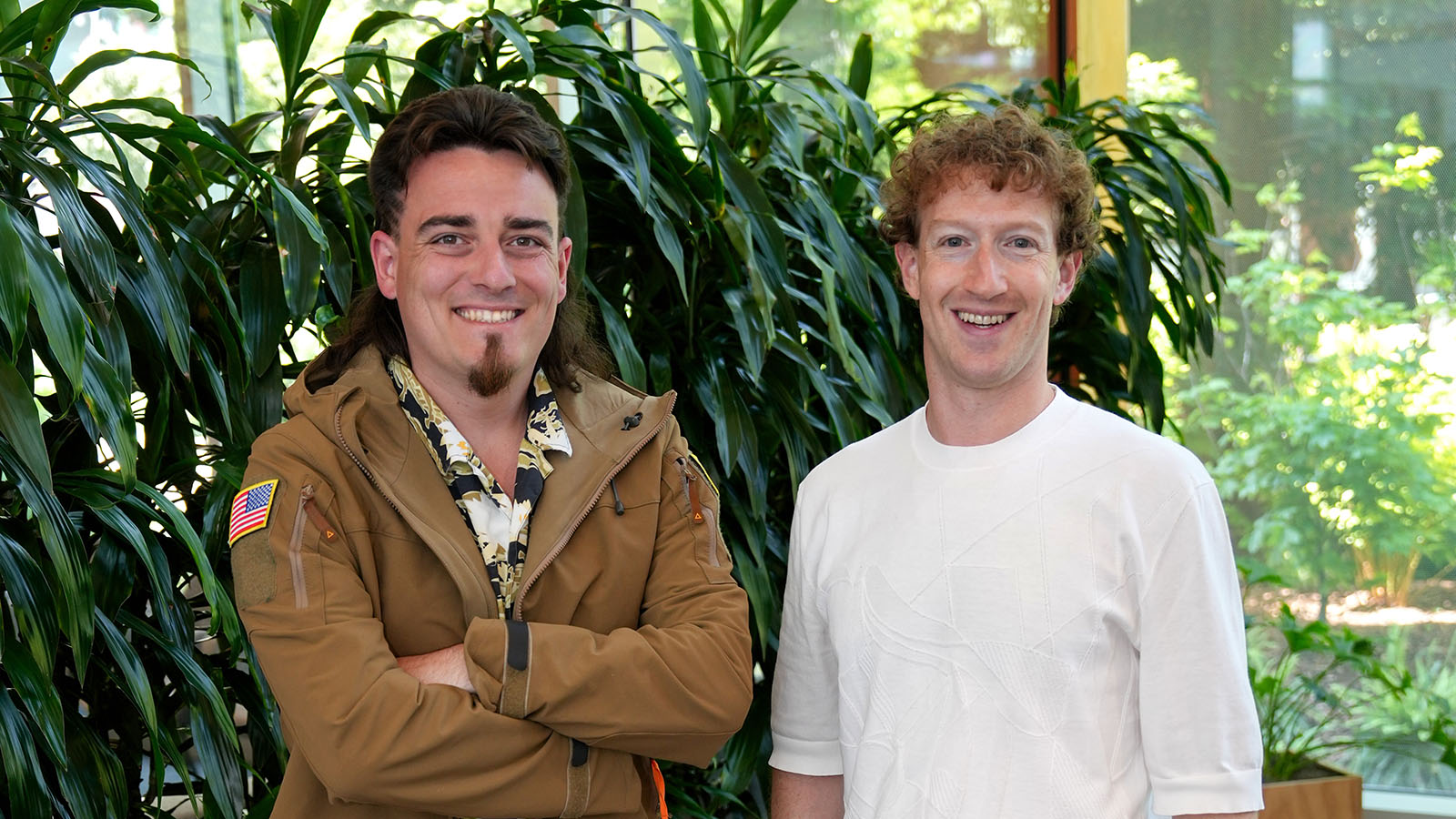
Meta and Anduril announced today that they are teaming up to bid on the U.S. Army’s next-generation mixed-reality heads-up display program, signaling a new chapter in military augmented reality (AR) technology development. The partnership aims to design, build, and deploy a range of integrated extended reality (XR) products tailored for military applications, including the new iteration of the former Integrated Visual Augmentation System (IVAS).
A Decade of Investment for Military-Grade Mixed Reality
The joint statement emphasizes that this collaboration leverages over ten years of combined experience in hardware, software, and artificial intelligence. The companies highlight that their innovations have been funded through private capital, with no taxpayer dollars, and are designed to reduce costs significantly—projecting a savings of billions for the U.S. military by utilizing high-performance commercial-grade components.
A Return of Palmer Luckey and a Focus on Dual-Use Tech
Palmer Luckey, renowned for pioneering the Oculus VR headset before selling his company to Facebook (now Meta) in 2014, expressed enthusiasm about the renewed collaboration. After some political fallout, Luckey launched Anduril, a defense tech firm that focuses on dual-use military and commercial technology.
“I am glad to be working with Meta once again,” Luckey stated. “Of all the areas where dual-use technology can make a difference for America, this is the most exciting. My long-standing mission is to turn warfighters into technomancers, and the products we are creating with Meta aim to do just that.”
Meta’s CEO Mark Zuckerberg also voiced support, emphasizing the company’s decade-long efforts in AI and AR to develop the future computing platform.
The Army’s Long Road to Next-Gen AR
The Army initially committed to providing soldiers with the IVAS system—based on Microsoft’s HoloLens 2—for combat and virtual training scenarios, including operations under low-light conditions. However, after several delays and challenges, the service announced a hardware recompetition called the Soldier-Borne Mission Command (SBMC) competition, aimed at modernizing and improving battlefield XR capabilities.
Both Anduril and Meta have already submitted a white paper to the Army for the SBMC contest, signaling their intent to compete for this critical upgrade. While specific bid details remain undisclosed, Luckey has teased a new mixed-reality device called Eagle Eye, representing an ecosystem of AR devices intended to serve as the core of their joint proposal.
A Role in the Future of Army Augmented Reality
Regardless of the outcome of the SBMC bid, Anduril will likely continue to influence the program, especially since it is expected to take over the network architecture development under the original IVAS contract, which Microsoft held at a $22 billion deal. Anduril’s Lattice software platform is anticipated to play a key part in expanding battlefield connectivity and situational awareness.
Looking Ahead: Dual-Use Tech in Defense Innovation
This partnership underscores a broader trend of tech giants and military contractors collaborating to incorporate commercial innovations into defense systems. If successful, Meta and Anduril’s joint efforts could redefine how soldiers communicate, operate, and train in future combat environments.