China’s Strategic Efforts to Replicate U.S. Military Engagements on the Continent
As the United States shifts its focus toward encouraging African nations to become less dependent on Washington’s assistance, China is actively working to mimic and expand its own presence across the continent. According to top U.S. military leadership in Africa, China is striving to “replicate every type of thing” the U.S. does to build and sustain relationships with African countries.
Chinese Efforts to Match U.S. Training and Engagement
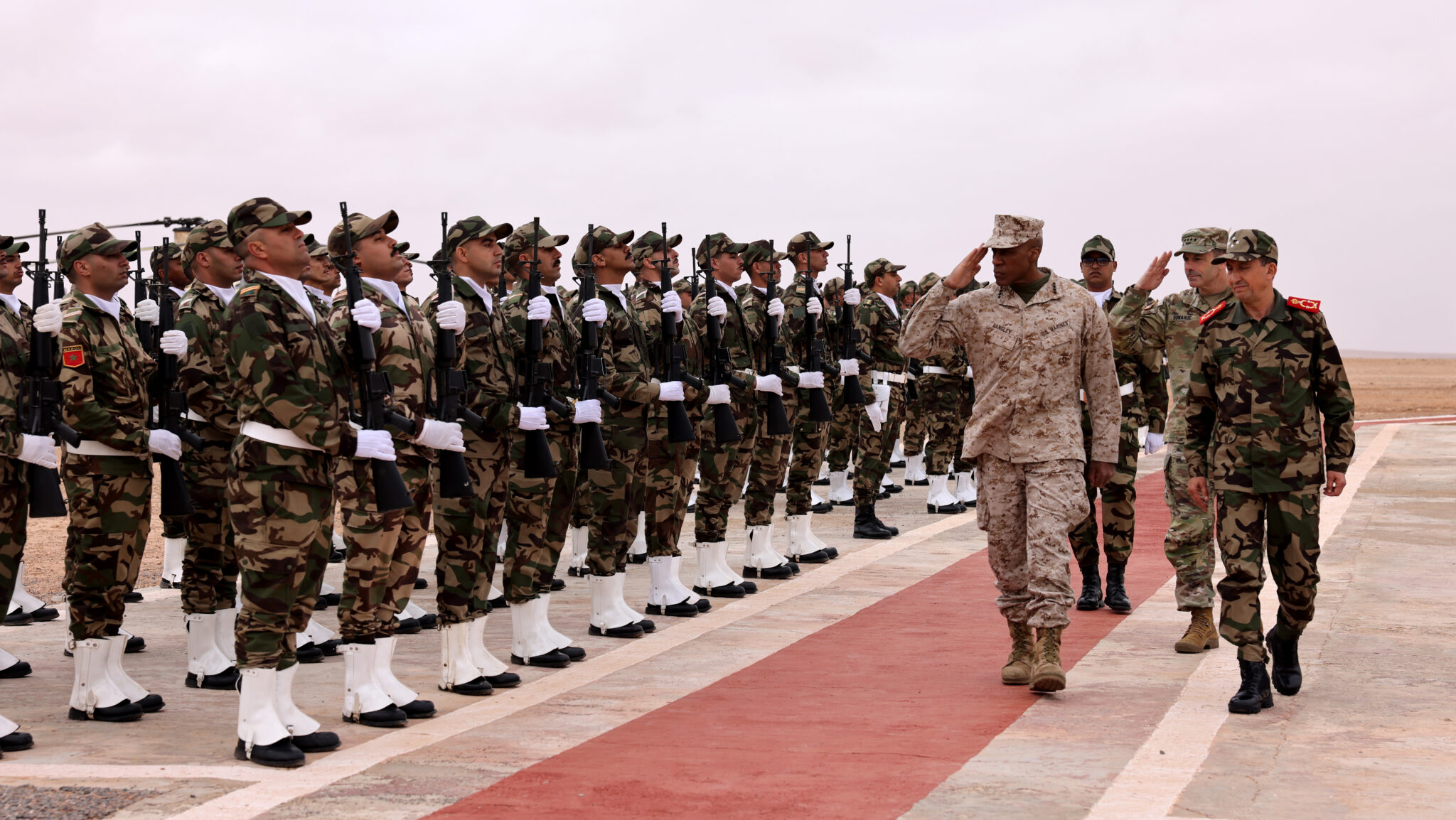
Gen. Michael E. Langley, commander of U.S. Africa Command (AFRICOM), highlighted China’s attempts to copy U.S. initiatives, including the U.S. Military’s International Military Education and Training (IMET) program. “They’re trying to replicate what we do best in our IMET program, and then they also said they’re going to increase security and training in a number of countries,” Langley told reporters from Nairobi, Kenya, where U.S. officials attended the African Chiefs of Defense Conference.
He added that China is ramping up efforts in advising, assistance, training, and military exercises—highlighting their recent activities, such as exercises conducted in Tanzania this fall, which mirror U.S.-style military cooperation.
U.S. Focus on Self-Reliance and Burden-Sharing
During the conference, Langley delivered a clear message: the U.S. no longer aims to serve as Africa’s permanent security crutch but wants to help African nations develop the capacity to address their own security challenges. “Our aim is not to serve as a permanent crutch, but to help Africa do more for itself,” he emphasized.
He underscored the importance of shared responsibility, stating that the U.S. seeks “greater burden-sharing,” especially as resources are reevaluated and rebalanced. “Africa is no exception,” he said, emphasizing that regional stability depends on contributions from multiple partners.
Strategic Focus on the Critical Sahel Region
Langley identified the Sahel—stretching across the middle of Africa—as the “epicenter” of global terrorism. He noted the influence of terrorist groups affiliated with ISIS and al-Qaeda operating in countries like Burkina Faso, where the state has lost control over large parts of its territory. This region remains a key focus for U.S. security efforts.
Aid Program Evaluations Amid Funding Cuts
The general remarked that the State Department, as it absorbs USAID, is assessing which aid programs to maintain. He pointed out that some programs have been “really helpful” for U.S. military stability operations. However, adversaries are attempting to exploit the aid reductions; for example, in Somalia, groups like al-Shabaab are reportedly trying to leverage the aid pause to their advantage, though they have not yet succeeded.
On Potential Organizational Changes
Recent reports suggested that the Trump administration was considering reducing AFRICOM to a subordinate command under European Command. Langley did not comment directly on this potential shift but told officials earlier this week that African nations should voice how such changes could impact their security cooperation with Washington.
Conclusion
As global powers compete for influence in Africa, the U.S. is emphasizing evolving strategies that foster African self-reliance while facing mounting Chinese efforts to establish a similar footprint. The upcoming years will prove crucial in defining the future dynamics of security and development partnerships across the continent.