The Seahawk Revolution: New Zealand’s Maritime Strategy Gets a Billion-Dollar Boost
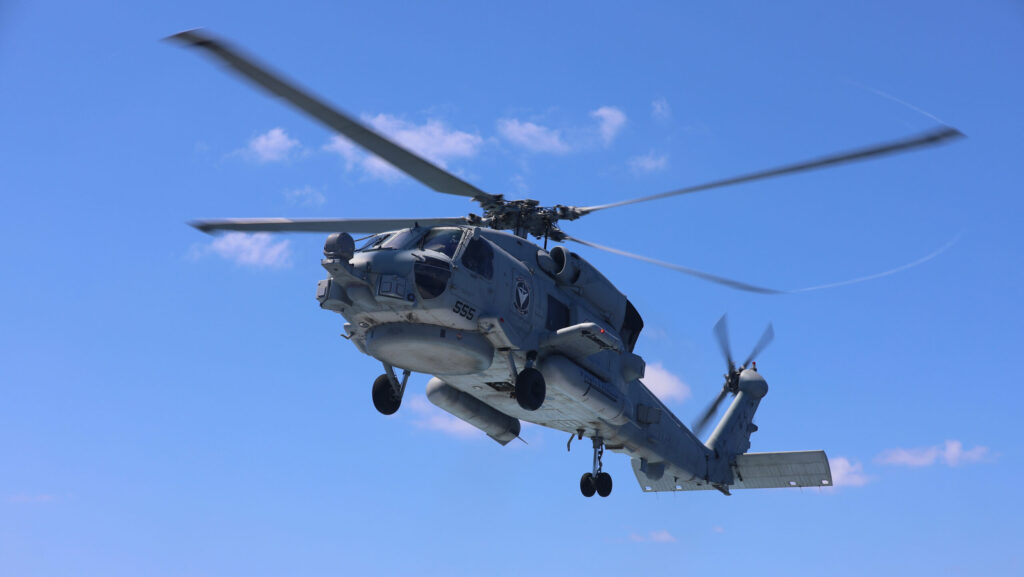
In a strategic move to fortify its naval capabilities, New Zealand has secured U.S. State Department approval for a massive military hardware package valued at $1.57 billion. The cornerstone of this deal is the acquisition of five Lockheed Martin MH-60R Seahawk helicopters. These state-of-the-art multi-mission platforms, equipped with advanced low-frequency sonars and Link 16 tactical data systems, are set to replace the aging Super Seasprite fleet. This upgrade marks a pivotal shift in Wellington’s ability to conduct high-end anti-submarine and surface warfare operations.
Precision Strike Capacity: Hellfire Missiles and MK 54 Torpedoes
The modernization effort extends deep into New Zealand’s munitions inventory. The approved sale includes 225 Advanced Precision Kill Weapon System (APKWS) guided rockets and 65 AGM-114R Hellfire missiles, providing a formidable strike capability. Furthermore, a dedicated $69 million approval covers 20 MK 54 lightweight torpedoes. Designed for seamless integration, these torpedoes will be compatible with both the newly acquired Seahawks and the existing P-8A Poseidon fleet, creating a unified and lethal response to underwater threats.
Seoul’s Smart Bomb Upgrade: Transforming Air Power with JDAM Technology South Korea is also ramping up its tactical edge with a $106 million investment in precision-guided munitions technology. The deal focuses on hundreds of JDAM (Joint Direct Attack Munition) tail kits and guidance sets, designed to convert conventional 2,000-lb and 500-lb bombs into satellite-guided precision weapons. This enhancement is specifically tailored for South Korea’s premier strike aircraft, including the F-35A stealth fighter and the F-15K Slam Eagle, ensuring that the Republic of Korea Air Force maintains a decisive advantage in target neutralization.
The Path Forward: Congressional Oversight and Final Negotiations
While these approvals represent a significant milestone, they serve as the opening act for final contract negotiations. As per standard Foreign Military Sales (FMS) procedures, the quantities and final dollar amounts are subject to change as terms are finalized. Additionally, the U.S. Congress now has a 30-day window to review the deals. While disruptions are unlikely, these announcements underscore the deepening military ties between Washington and its key Indo-Pacific allies in an increasingly complex global security environment.