Shift Toward Space-Based Capabilities Replaces Aircraft Investment
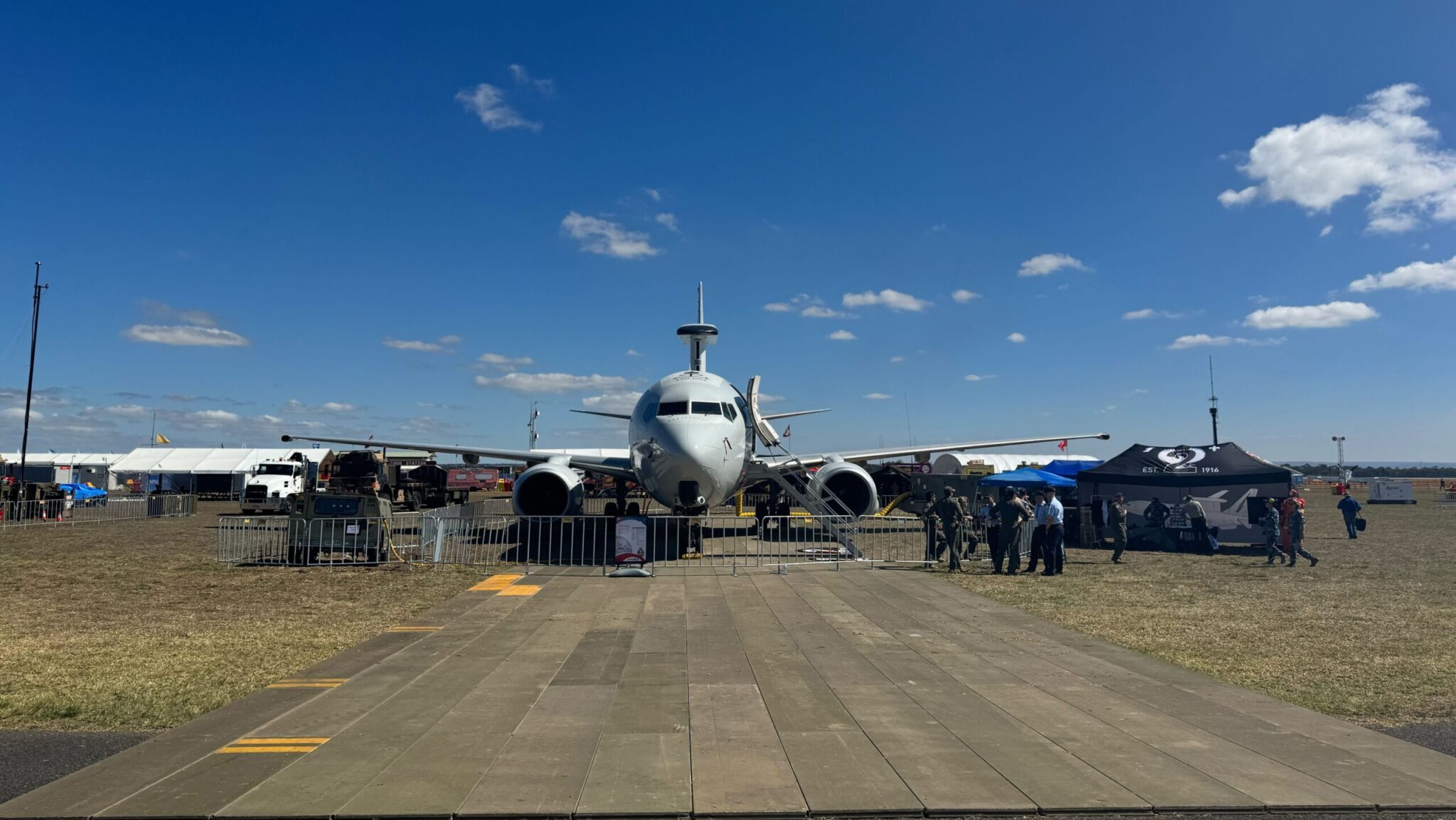
The U.S. Air Force announced today the cancellation of its E-7 Wedgetail program, citing significant cost increases and survivability issues. The decision, revealed during the fiscal 2026 budget rollout, aligns with the service’s broader strategic pivot toward space-based sensing to enhance warfighters’ ability to detect and track enemy aircraft, especially in contested environments.
Cost Escalation and Strategic Reassessment
Originally awarded a $2.6 billion contract for two prototypes, the E-7 was expected to be delivered starting in FY28, with a total planned acquisition of 26 aircraft to replace aging E-3 AWACS. However, the program’s costs ballooned from $588 million to $724 million per aircraft, prompting its cancellation. A senior military official explained that the Pentagon’s focus on global, integrated sensing capabilities is better served by investing in space-based sensors, which can support homeland defense and key theaters like the Indo-Pacific more effectively and at a faster pace.
Shifting Focus to Space and Global Sensing
“The Wedgetail, while a “great platform,” doesn’t align with our current ambitions,” the official said. “We’re bullish on space and believe that advanced space-based sensors will provide coverage that exceeds what the roughly 26 Wedgetails could deliver, especially with the rapid developments in satellite technology.”
Budget Support and Opposition
A proposed $200 million in research and development is earmarked to close out the E-7 program, though specific fund sources remain undecided. At a Senate Appropriations hearing, Senator Lisa Murkowski (R-Alaska) questioned whether the E-2D aircraft could fill the capability gap, noting that space-based systems are still being developed and might not be operational until the early 2030s.
Leadership Perspectives and Future Capabilities
Air Force Chief of Staff Gen. David Allvin called the cancellation a “difficult decision,” emphasizing that it resulted from strategic reorientation. Gen. Chance Saltzman, Chief of Space Operations, highlighted ongoing evaluations of space sensor capabilities, asserting promising early results. He noted that satellite-based sensing might begin delivering operational data by the late 2020s, with full capabilities emerging in the early 2030s.
Retirement of Aging Aircraft Fleet
In addition to the E-7 cancellation, the Air Force is planning to retire large portions of its aging fleet to fund next-generation modernization efforts. The most notable move is the planned withdrawal of all 162 remaining A-10 Warthogs in FY26—a controversial decision given historic congressional resistance to retiring the close air support aircraft prematurely.
The service also decided against requesting the retirement of its remaining F-22s this year but will scrap its last three EC-130H Compass Call aircraft. Meanwhile, 62 F-16s are slated for retirement, with at least one squadron already sent to the aircraft boneyard.
Summary of Aircraft Retirements in FY26
- 162 A-10 Warthogs
- 62 F-16C/D fighters
- 21 F-15Es
- 3 EC-130Hs
- 14 KC-135 tankers
- 1 B-1 bomber
The overall plan reflects a strategic realignment toward investing in future capabilities while downsizing older fleets to free up funding and operational capacity.