Tokyo Eyeing Australia as Premier Customer for its Advanced Warship
In a rare display of confidence, Japan is actively promoting its newest frigate, the Mogami, as the ideal candidate for Australia’s next class of warships—marking Japan’s first major weapon export since before World War II. The usually-reticent Ministry of Defense flew Australian-based reporters to Nagasaki this week for an intensive, three-day briefing on the vessel’s cutting-edge capabilities.
Strategic Diplomacy and Strong Industry Ties
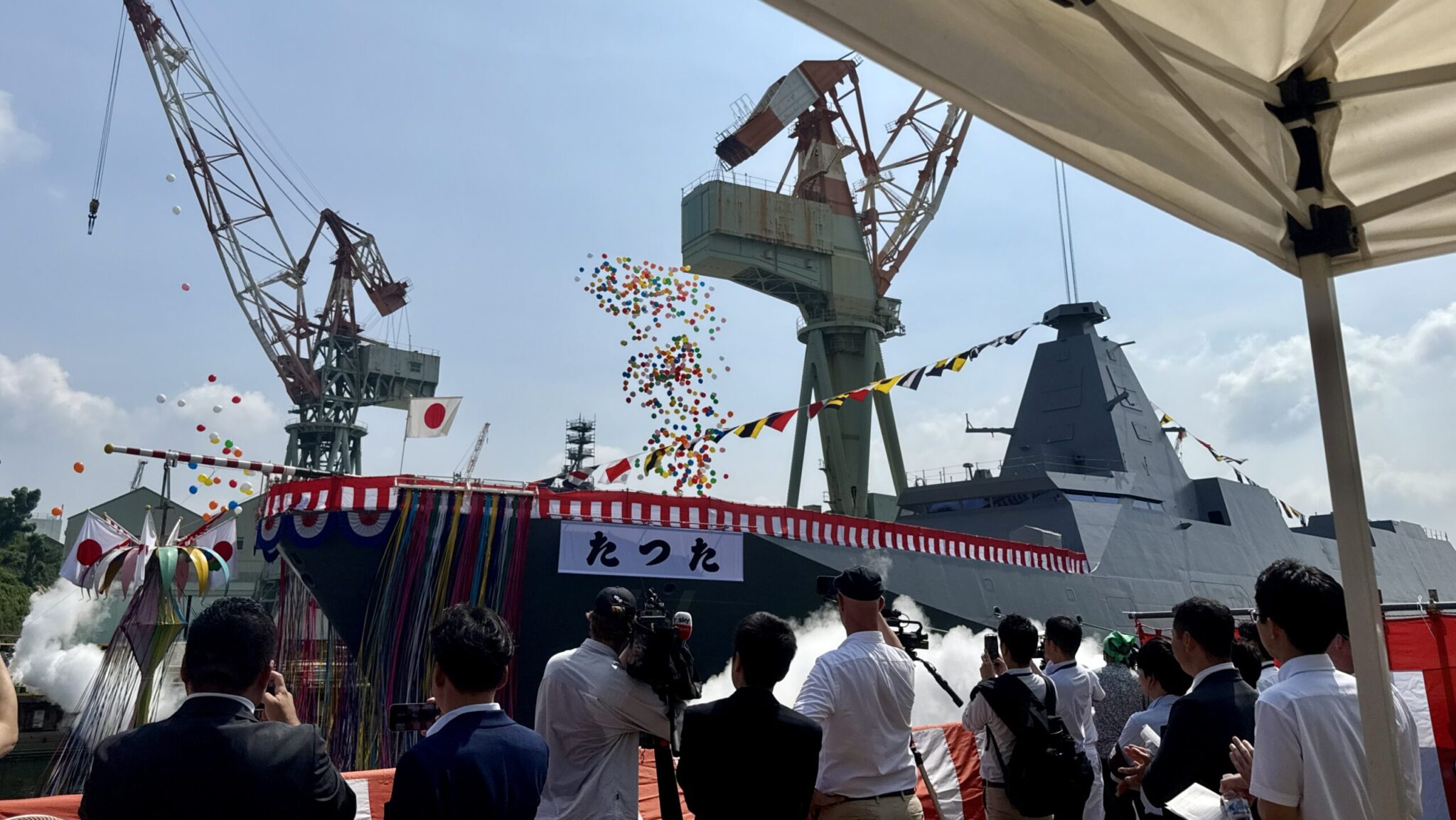
The trip underscored Japan’s strong desire to deepen defense and industrial ties with Australia. Officials highlighted that Mitsubishi Heavy Industries (MHI), which is spearheading the program, will retain all intellectual property rights, supply parts, and support for these ships over their predicted 40-year lifespan. Japanese Defense Minister Gen Nakatani attended the ship’s launch and tagging ceremony, emphasizing the government’s full-court press to secure the deal and bolster regional resilience.
Aiming to Replace Aging Fleets and Forge Closer Ties
If Australia selects the Mogami, it would replace aging ANZAC-class ships and serve as a milestone in Japanese defense exports—something officials describe as an “all-Japan government approach” demonstrating Japan’s renewed willingness to sell major weapon systems. Nakatani told reporters that such a purchase would boost “sustainment and resilience” across the Indo-Pacific region.
Fight for the Contract: Japan against Germany
Japan is competing against Germany’s ThyssenKrupp Marine Systems (TKMS) in what is essentially a race to deliver 11 advanced frigates to Australia. The initial three ships are scheduled to be built in Japan or Australia, with the latter constructing the remaining eight at Henderson shipyards near Perth—a process subject to how ready the Australian shipyard is by the time of production.
Key Features of the Mogami
Australia’s specifications call for an off-the-shelf, heavily upgraded version of the Mogami, including a 32-cell Vertical Launch System—doubling the capacity of TKMS’s initial offer—and advanced anti-submarine, mine warfare, and sensor systems. The ship can reach speeds of over 30 knots and has sufficient range to travel from Japan to Djibouti, powered primarily by a Rolls Royce MT30 gas turbine.
Cutting-Edge Combat Capabilities and Stealth Design
Japanese officials highlighted the ship’s highly protected Combat Information Center (CIC), which can be manned by as few as 10 crew members thanks to advanced video and sensor displays, including 360-degree cameras, wearable sensors, and damage assessment systems. The CIC’s armor is designed for survivability, ensuring the ship can continue fighting if heavily damaged.
Stealth features are also a core part of the design, with hull and superstructure angles reminiscent of modern aircraft, and radar-absorbing rounded antenna covers that reduce infrared and electromagnetic signatures. These features aim to minimize the ship’s radar cross section and improve its survivability in contested environments.
Reliable Delivery and Regional Significance
Mitsubishi’s reputation for on-time delivery—35 years of consistent performance—is a key selling point. ATLA official Osamu Nishiwaki guaranteed smooth, delay-free contract execution, appealing to Australia’s urgency to modernize its navy.
A New Chapter in Japan’s Defense Exports
This initiative marks a significant shift for Japan, signaling a willingness to export its advanced warships and strengthen regional security alliances. The Mogami’s combination of stealth, advanced sensors, and modular design positions it as a compelling choice for Australia’s fleet renewal, and a potential model for future Japanese military exports.