As the US Army undergoes a significant transformation in 2025, the echoes of the painful yet ultimately fruitful decade following the Vietnam War resonate strongly. Similar to that era, the Army today faces the challenge of rebuilding after a frustrating period of conflict, with its real test lying ahead in preparing for the future.
Learning from the „Hollow Force”
In the late 1970s, the Army grappled with a crisis of confidence, dwindling resources, and personnel shortages. The Vietnam War’s humiliations were compounded by the „hollow force,” characterized by discipline problems, drug abuse, and low morale. The Army struggled to meet recruitment goals, threatening its ability to defend NATO against the Soviet threat.
The 1973 Yom Kippur War served as a wake-up call, highlighting the lethality of modern Soviet weapons and the importance of electronic warfare and integrated armored warfare. This led to the Army’s renaissance, resulting in the „Big Five” weapons systems – the Abrams tank, Bradley fighting vehicle, Black Hawk and Apache helicopters, and the Patriot missile system – which formed the backbone of American land power for decades. Additionally, the AirLand Battle doctrine and the professionalization of the non-commissioned officer corps prepared the Army for success in the Gulf War and helped deter Soviet aggression.
Modern Parallels: A Second Rebirth
Today, the Army finds itself at a similar crossroads after two decades of counterinsurgency operations in Iraq and Afghanistan. By 2023, the service faced a severe recruiting crisis, a widening disconnect with American society, and questions about its relevance in an era of wariness towards foreign conflicts.
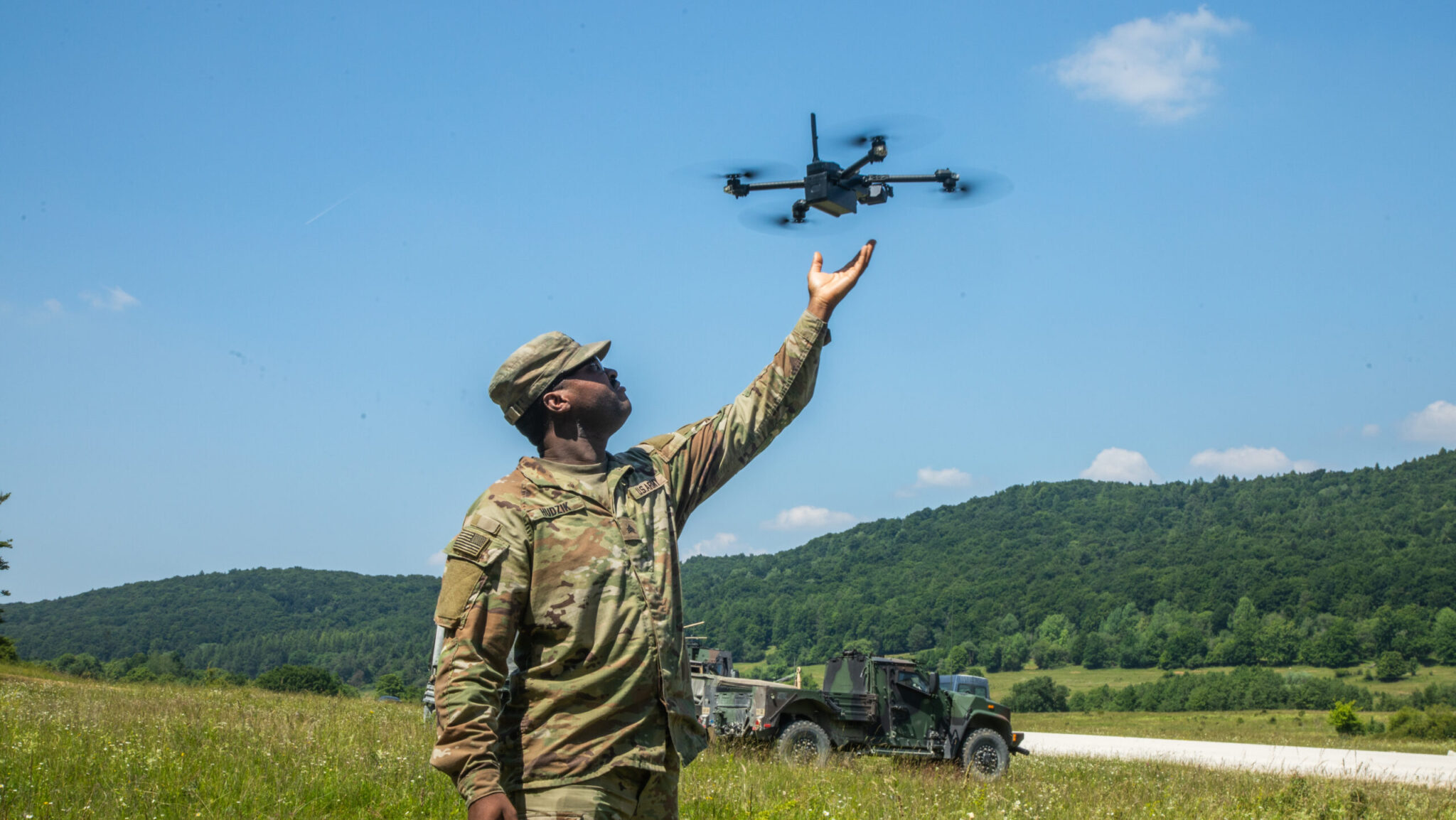
The Russian invasion of Ukraine served as another wake-up call, demonstrating the importance of drones, resilient communications, dispersed logistics, and large-scale artillery duels. This prompted a second rebirth for the Army, defined by technology and flexibility.
Embracing Technology and Flexibility
The Army is now incorporating autonomous systems, artificial intelligence, hypersonic weapons, and long-range precision fires. The new doctrine embraces multi-domain operations, recognizing that future conflicts will unfold across land, air, sea, space, and cyberspace. The Army is also reconnecting with American industry, drawing talent from the tech sector and enticing tech companies to contribute to its digital backbone.
Recommendations for Sustained Transformation
To ensure the Army’s current transformation fulfills its promise, several recommendations are crucial:
- Sustained Commitment from the Secretary of Defense: The Secretary of Defense must prioritize the Army when building the fiscal 2027 budget and allocating reconciliation funds. Overcoming internal opposition to Army funding is vital.
- Reform of Army Acquisition: The Secretary of the Army must streamline the Army’s acquisition process to ensure that new technologies are acquired efficiently and rapidly.
- Culture of Innovation: The Army Chief of Staff must continue to foster a culture of change that encourages experimentation and collaboration between engineers and soldiers to drive modernization.
Beware the Siren’s Call
While the Army charts this course, the president must resist the temptation to drastically shrink the Army, focusing solely on a conflict with China. History teaches that such simplicity can be dangerous. True „Peace through Strength” requires a balanced approach, building an Army that is both technologically advanced and large enough to meet the unpredictable demands of a still-dangerous world.