The Air Force’s Next Generation Adaptive Propulsion (NGAP) program, aimed at developing a revolutionary engine prototype, is facing a two-year delay and will not be completed before fiscal year 2030, the service has confirmed.
Supply Chain Challenges: Primary Cause of Delay
Under the NGAP program, GE Aerospace and RTX subsidiary Pratt & Whitney are currently building competing engine designs. FY25 budget documents initially projected completion of this work in the fourth quarter of FY27. However, FY26 documents released by the Trump administration in June reveal a shift of over two years, pushing the completion date to the second quarter of FY30. An Air Force spokesperson attributed the delay to „supply chain challenges encountered by the program.”
Contractors’ Statements: Executing the Contract Schedule
A spokesperson for GE Aerospace stated that the company „is executing the NGAP contract schedule as proposed,” expressing confidence that the program could be accelerated. Similarly, a Pratt & Whitney spokesperson confirmed that the company is „successfully executing the NGAP program, fulfilling our commitments in alignment with their plan,” and collaborating with its supply chain to enhance delivery through advanced digital design models.
Detailed Design Review Complete: Fabrication Underway
Following a new round of NGAP contracts that raised the total award ceiling for each vendor to $3.5 billion, both GE and Pratt announced in February that they had completed a detailed design review and were ready to begin fabricating their engine prototypes. The Air Force is expected to eventually select one NGAP contender to proceed further.
Adaptive Engine Technology: Enabling Greater Fuel Efficiency and Thrust
Air Force officials have emphasized that the „adaptive” engine technologies at the heart of the NGAP program could represent a significant advancement in military propulsion. These technologies would enable jet engines to change their characteristics mid-flight, offering capabilities such as greater fuel efficiency during cruising or increased thrust when needed. The NGAP program builds on previous work conducted under the Air Force’s Adaptive Engine Transition Program, which created a prototype engine for the F-35 but was ultimately sidelined due to budget constraints and logistical issues.
Platform Agnostic Design: Future Powerplant for F-47 Uncertain
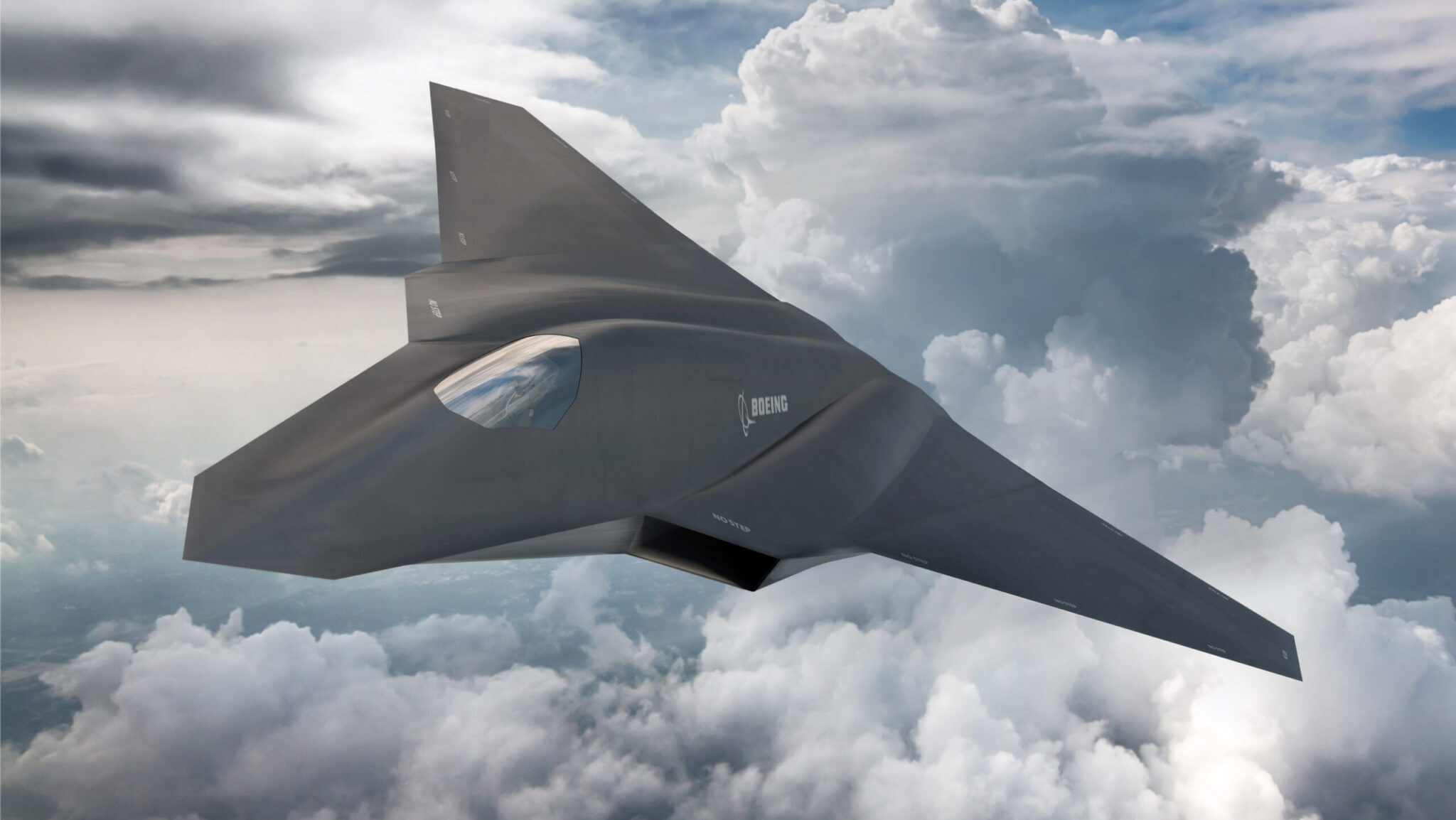
The Air Force has previously stated that NGAP is designed to be platform agnostic, meaning its engine architecture could serve various propulsion needs. The program was initially envisioned to provide a powerplant for the Air Force’s Next Generation Air Dominance fighter, now known as the F-47. However, considering the aggressive timeline for the F-47’s flight testing before the end of President Donald Trump’s term, a next-gen engine is unlikely to be ready for the fighter in the near future.
Reduced Funding: Shift in Program Activities
The FY26 budget documents also reflect a decrease in funding for NGAP. While FY25 budget documents projected roughly $439.9 million for the program in FY26, the Trump administration’s budget requests $330.3 million.
Program Transition: Detailed Design to Prototype Fabrication
An Air Force spokesperson previously explained that the funding reductions „reflect the program’s transition from Detailed Design to Prototype fabrication and assembly activities, and programmatic adjustments within the RDT&E [research, development, test and evaluation] portfolio to improve resource efficiency.” The requested funding, the spokesperson added, „resources two contractors through Assembly Readiness Review, a key milestone for assessing readiness of the contractors to proceed into the build and test phase of the program.”