Defense Minister Highlights Quality and Continuous Production
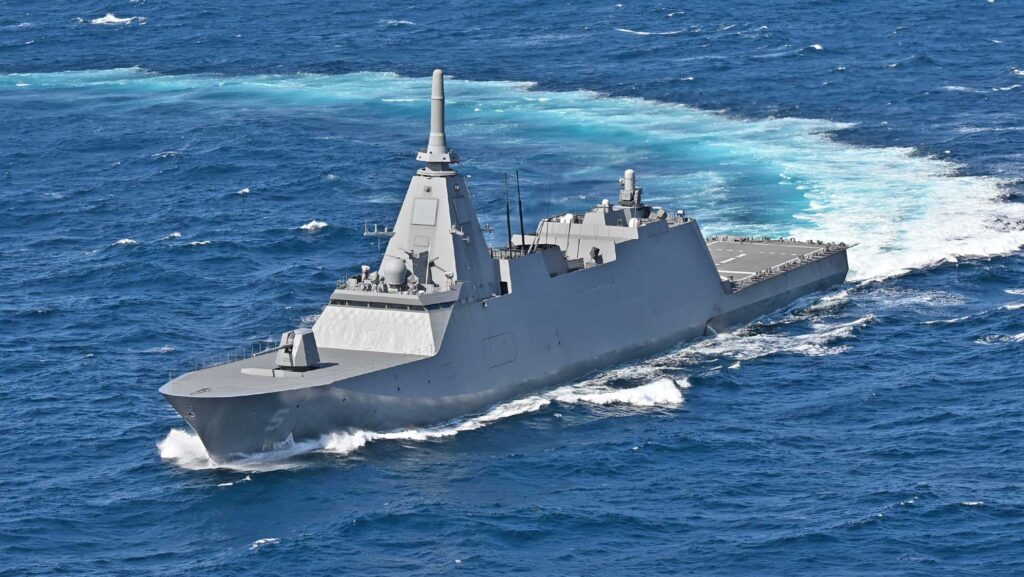
Japan’s Defense Minister Gen Nakatani praised Australia’s selection of the improved Mogami-class frigate, emphasizing Japan’s continuous shipbuilding record and the strengthening of its defense industry. He noted the quality of the frigate’s design played a significant role in Australia’s decision.
„State-of-the-Art Warships” with „Outstanding Technological Capabilities”
Nakatani described the frigates as „truly state-of-the-art warships” that showcase the „outstanding technological capabilities of Japan’s defense industry.” He also highlighted Japan’s naval vessel production capacity and long history of continuous production as key factors in the selection.
Elevating Security Cooperation with Australia
The Australian decision marks a major step in further elevating security cooperation between the two countries, which Nakatani described as „special strategic partners.”
Production Split Between Japan and Australia
The first three of the 11 frigates for the Royal Australian Navy will be built in Japan by Mitsubishi Heavy Industries. The remaining eight will be constructed in Australia at the Henderson Defence Precinct in Western Australia.
Opportunity to Strengthen Japan’s Defense Industry
Nakatani stated that a final agreement for transferring production to Australia is expected by 2026, and this effort will provide an opportunity to strengthen Japan’s defense industry.
Potential Risks and Challenges
Analysts caution that risks remain, given Japan’s defense industry’s lack of experience in foreign exports and transferring production offshore. This is Japan’s first major defense export success.
Advanced Naval Shipbuilding Industry
Collin Koh of Singapore’s S. Rajaratnam School of International Studies noted that Japan’s naval shipbuilding industry is one of the most advanced and productive in Asia, constructing a steady stream of vessels for the Japan Maritime Self-Defense Force (JMSDF).
Concerns About Export Order Experience
Koh cautioned that Japan’s lack of experience with an export order could raise concerns about its ability to complete the program smoothly.
Australian Shipbuilding Challenges
Australian naval analyst Alex Luck noted that Australian shipyards will need to expand to accommodate the frigate program, as well as other ongoing shipbuilding projects.
Complexity and Cost Overruns
Luck also highlighted Australia’s history of naval shipbuilding projects facing delays and cost overruns, warning that a domestic build is likely to increase costs. This could lead to scrutiny and potentially incentivize acquiring more hulls from Japan.