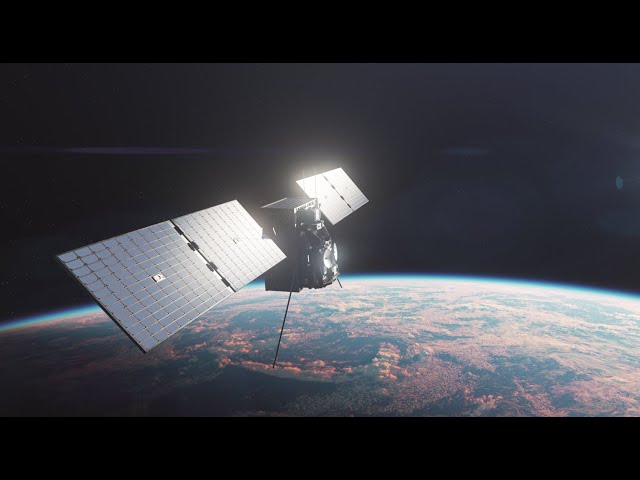
The U.S. Space Force is set to revolutionize how it procures and operates its surveillance satellites. The new RG-XX program, intended to succeed the current GSSAP constellation, will be implemented through a flexible, „rolling” acquisition process involving multiple qualified vendors. This strategic approach, announced by Colonel Byron McClain, Program Executive Officer for Space Combat Power at Space Systems Command (SSC), allows the Space Force to adapt rapidly to operational needs and annual budgetary constraints.
„Rolling” Acquisitions: Agility in an Unpredictable Domain
SSC has already issued a Request for Proposals for an Indefinite Delivery, Indefinite Quantity (ID/IQ) contract, code-named „Andromeda,” which will enable multiple awards to various vendors. This flexibility is considered essential, as the exact number of RG-XX satellites required remains uncertain. The final quantity will depend on the cost of individual systems, available funds, and mission needs. Col. McClain emphasized that this iterative acquisition strategy will allow the Space Force to integrate new capabilities and respond to technological or operational evolutions much faster, leveraging the dynamism of the commercial industry.
Refueling Revolution: A Game-Changer in Space Endurance
A defining characteristic of the RG-XX satellites will be their in-orbit refueling capability, a first for the Space Force. This innovation will grant them superior maneuverability compared to their GSSAP predecessors and significantly extend their operational lifespan. The objective is to provide a crucial edge in the increasingly complex game of orbital „hide-and-seek” with powers such as Russia and China. McClain stated that this refueling requirement is a fundamental step to „lay the groundwork” for long-term decisions regarding the economic and operational viability of space refueling, even though its final architecture is still being defined, in partnership with industry.
Standardizing Ground Systems: Towards Unified Command
Another strategic aspect being addressed is the standardization of ground systems. To prevent the proliferation of disparate command infrastructures, the Space Force is collaborating with Mission Delta 9, Space Operations Command’s Orbital Warfare unit, to develop a common ground system. There is also the possibility that RG-XX could utilize existing ground systems or adapt temporary capabilities from other classified programs, an approach aimed at streamlining operations and reducing costs.
The Race for Orbital Dominance: Speed and Adaptability
While there is no firm timeline for the launch of the first RG-XX satellites, Col. McClain expressed a desire to move „as quickly as possible.” The selection of qualified vendors under the ID/IQ contract is expected by early March, with the first task orders to be issued shortly thereafter. This strategy underscores the urgency with which the Space Force is modernizing its surveillance capabilities to maintain its advantage in an increasingly contested space domain.