The future of special operations aviation is being built on two critical pillars: maximum stealth and increased efficiency with a smaller footprint. Steve Smith, Program Executive Officer for Rotary Wing, has outlined a radical transformation for the fleet, stating that the success of future high-stakes missions depends on the ability to generate „layered effects” using fewer, yet far more advanced, aircraft.
Lessons from Venezuela: Moving from Mass to Surgical Precision
Reflecting on recent large-scale operations, such as the capture of Nicolas Maduro in Venezuela, US officials noted that while the capability demonstrated was incredible, it required an immense number of aircraft. The current mandate is to replicate such results with a significantly lower acoustic and visual signature. „We’ve got to be able to do that quieter with fewer aircraft, requiring holistic systems that can generate those same layered effects on-board,” Smith noted.
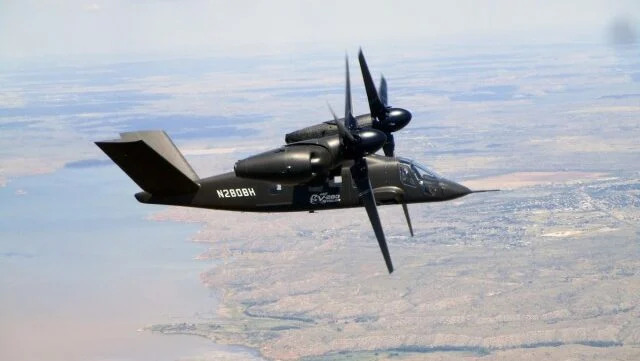
The cornerstone of this transformation is the MV-75 Cheyenne platform, slated for service in the mid-2030s. This aircraft will act as a „technology injector” for the current fleet of MH-60M and MH-47G helicopters, operated by the elite 160th Special Operations Aviation Regiment (SOAR) „Nightstalkers.”
The Digital Backbone: Silent Knight Integration and the Common Cockpit
A significant hurdle in current modernization efforts is the „digital backbone.” Much of the legacy special mission equipment was not originally designed to interface with modern, time-sensitive digital networks. Ongoing collaboration with defense primes aims to create a digital ecosystem that can be migrated from the upcoming MV-75 to the enduring MH-60 and MH-47 fleets.
A key element of this strategy is the integration of the Silent Knight terrain-avoidance radar. Furthermore, the long-term vision includes a „Common Cockpit” for both Special Operations Forces and the wider US Army. This standardization would drastically reduce integration costs, allowing the military to „pay for integration once” and streamline future upgrades.
Modularity and Lethality: The MH-47 Future and Launched Effects
Strategic focus is also shifting toward an MH-47 Block III variant, which would offer unprecedented modularity. This includes enhanced aerial refueling flexibility, allowing an aircraft to deploy forward and be rapidly reconfigured for an entirely different mission profile on the fly.
Additionally, starting in 2027, PEO Rotary Wing will begin modeling the integration of „launched effects” directly from helicopter fleets. These systems will be specifically tailored for the high-risk penetration missions of the 160th SOAR, designed to dismantle integrated air defense stacks and counter elite-tier enemy threats that conventional forces may never face.