The U.S. Air Force has pushed back the timeline for its highly advanced fighter jet engine prototypes to 2031, marking yet another significant delay for a program central to maintaining aerial dominance. This latest shift adds more than a year to the schedule, bringing the total cumulative delay for the propulsion effort to three years compared to early projections.
Official service documents for the fiscal 2027 budget indicate that the Next Generation Adaptive Propulsion (NGAP) program requires expanded testing and evaluation to allow for a deeper investigation of complex test findings.
A Titan Clash: GE and Pratt & Whitney Move to Physical Hardware
The multi-billion dollar race remains a two-way battle between GE Aerospace, developing the XA102, and RTX’s Pratt & Whitney, with the XA103. Both firms recently cleared the „assembly readiness review” milestone, signaling a pivotal move from digital simulations to the production of physical hardware for live testing.
The financial stakes are immense. The Air Force is requesting $514 million for FY27, with funding expected to surge to $906 million by FY28. While the Pentagon maintains a massive $3.5 billion award ceiling for each vendor, the ultimate goal is to downselect to a single winner who will power the future of American air power.
Adaptive Tech: The Holy Grail of Military Flight
The „adaptive” technology at the heart of the NGAP program represents a quantum leap in engineering. These engines are designed to alter their flight characteristics dynamically, switching between high-thrust modes for combat and fuel-efficient bypass modes for long-range cruising. This flexibility promises to grant next-generation fighters unprecedented range and combat agility.
The F-47 Disconnect: Strategic Ambition vs. Technological Reality
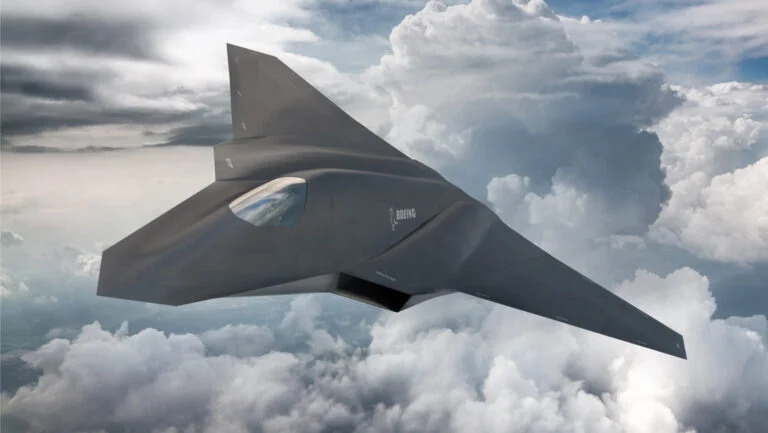
The most pressing concern is the synchronization between engine development and the rollout of the Air Force’s newest stealth fighter, the F-47. The Pentagon is currently pushing an aggressive timeline to fly the F-47 before the end of President Donald Trump’s term.
However, with the NGAP prototypes now stalled until 2031, a critical technological gap has emerged. It is increasingly likely that the F-47 will have to debut without its intended next-generation heart, relying on older propulsion technology as the revolutionary engine remains locked in the testing phase for the remainder of the decade.