After eight years, the Department of Defense has officially announced the restoration of the historical name for one of its most vital military structures, reverting US Indo-Pacific Command back to Pacific Command (PACOM). While the name changes, the geographic boundaries of the combatant command remain the same, covering a vast area of responsibility from the US West Coast to India’s western border. This decision marks a return to tradition in an increasingly contested theater of operations.
Historical legacy and mission continuity under Admiral Samuel Paparo
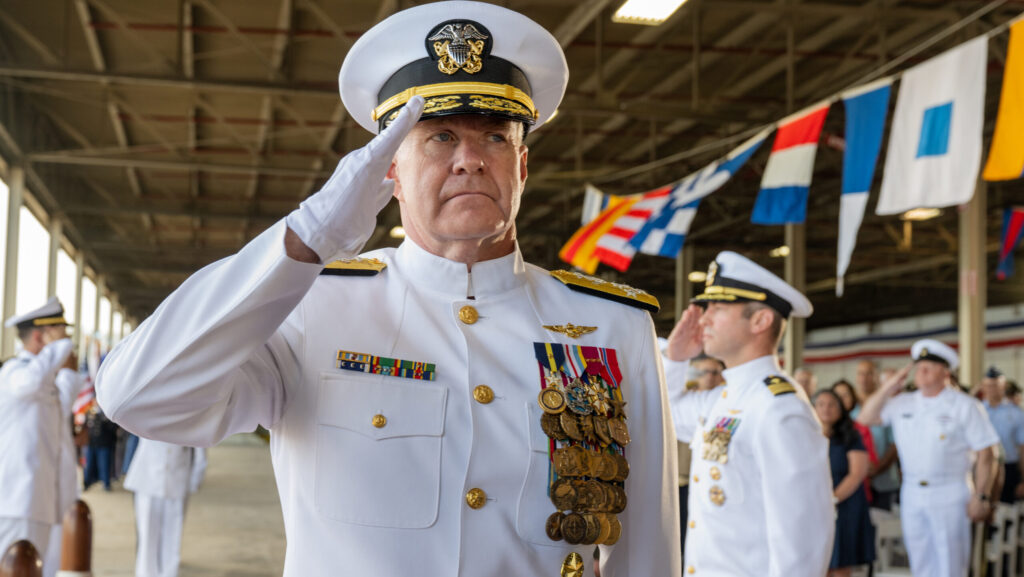
The current leadership of the command, led by Admiral Samuel Paparo, emphasized that this shift honors the deep historical roots of the American presence in the region. Beyond the symbolism, PACOM’s fundamental mission remains unchanged: maintaining a free and open theater alongside regional allies and partners. Military officials argue that restoring the legacy designation will foster a sense of pride and collective spirit among the troops serving across the Pacific basin.
The wave of renamings under Pete Hegseth and the return to the Department of War
This move follows a series of identity changes spearheaded by Defense Secretary Pete Hegseth. Over the past year and a half, he has overseen the restoration of original names for several Army bases and promoted the unofficial renaming of the Department of Defense to the Department of War—a change that Congress may soon codify into law. The PACOM rechristening effectively reverses the 2018 decision by former Secretary James Mattis, who added the „Indo” prefix to recognize the increasing connectivity between the Indian and Pacific oceans.
A potential structural overhaul for combatant commands
Beyond terminology, Pentagon leaders are weighing a complete overhaul of the military’s command structure. Department reports suggest that this reevaluation could ultimately lead to the consolidation of certain combatant commands to streamline military responses to current global challenges. In this evolving landscape, the return to the Pacific Command designation appears to be just the first step in a broader strategy to redefine American military power on the world stage.