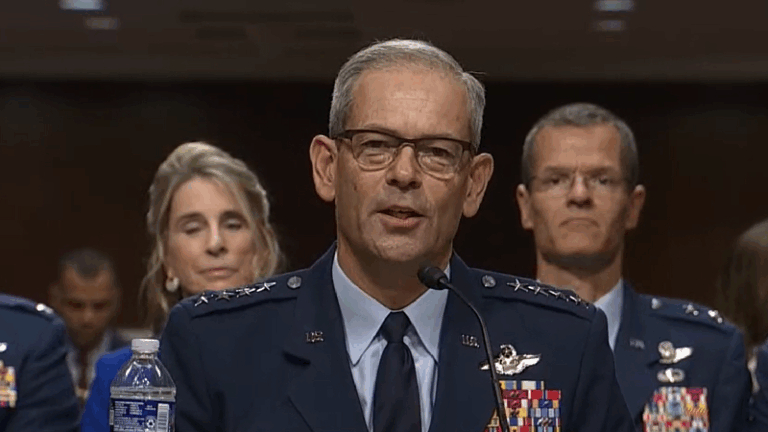
Operation Epic Fury has thrown the United States Air Force budget into an unprecedented financial deadlock. General Kenneth Wilsbach, the top-ranking officer in military aviation, asserts that a massive $1.5 trillion package is required for the United States to maintain its technological and operational edge against current threats.
The budgetary dilemma under the pressure of enemy fire
The conflict in Iran has forced the Pentagon to resort to risky financial maneuvers. Since spending for Epic Fury was not accounted for in the original budget, military officials have been forced to „borrow” funds from other vital programs. General Wilsbach explained that to pay the current bills of the war, funding for essential projects that should have been completed this year has been halted. Recent documents suggest massive cuts, including over $700 million from aircraft procurement programs, all to cover the unpredictable needs of the front.
The survival of the air fleet depends on the requested trillions
The administration’s vision for a $1.5 trillion defense budget in fiscal year 2027 appears increasingly difficult to achieve as political negotiations in Congress stall. Without these funds, strategic projects such as the Golden Dome missile defense shield or the procurement of F-35 stealth fighters risk being slowed down or even canceled. Furthermore, munitions stockpiles and drone production, heavily utilized in the Iranian conflict, have reached critical levels, endangering long-term response capabilities.
The cost of blood and steel in the Middle East
The resumption of fighting against Iran, following the collapse of the fragile ceasefire on July 10, has brought heavy human and financial losses. As of the middle of this month, 14 American soldiers have lost their lives, and another 400 have been wounded. Financial costs are already estimated at approximately $40 billion. Despite the constant danger, Wilsbach praised the resilience of the troops operating under the continuous fire of Iranian barrages, successfully keeping airfields open to maintain pressure on Tehran.