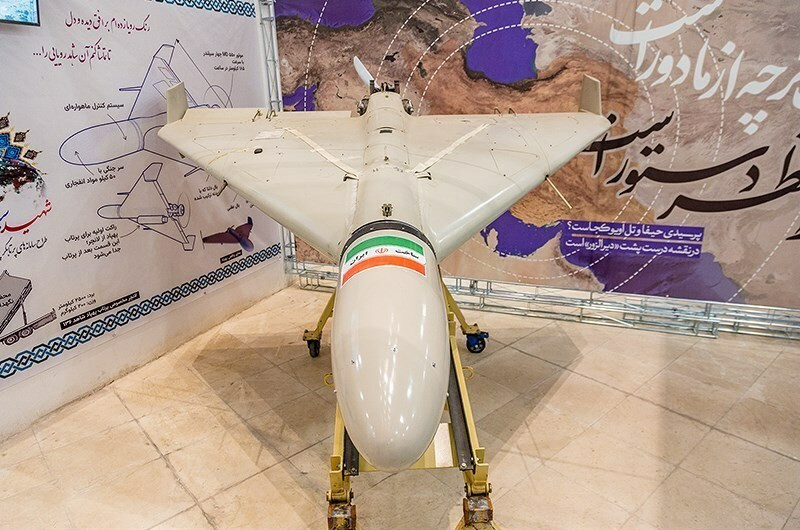
In a landmark achievement that signals a paradigm shift in asymmetric warfare, Ukrainian elite forces have recorded the first-ever destruction of a Russian Shahed UAV using an aerial interceptor launched from an unmanned surface vessel (USV). This milestone marks the definitive arrival of a new era in drone-on-drone combat, blurring the lines between maritime and aerial domains.
Lethal Integration: Rewriting the Rules of Engagement from the Sea
Footage released from combat missions at sea, carried out by the specialized USV division of the 412th Brigade „Nemesis,” showcases a level of technical sophistication previously unseen in modern conflict. As a core component of Ukraine’s Unmanned Systems Forces, the unit has successfully turned naval drones into mobile anti-air platforms, effectively extending the defensive umbrella far into maritime territories.
This capability creates a significant tactical dilemma for Russian long-range drone operations. By integrating sea-based launchers with aerial interceptors, the defense becomes multi-layered, leaving the Shahed drones increasingly exposed. Strategic analysts note that this sea-air integration is a leap forward that Russia has yet to match, providing Ukraine with a critical advantage in protecting its coastal infrastructure.
Asymmetric Superiority: Low-Cost Drones Challenging High-Value Targets
The operation highlights a growing trend: the use of cost-effective, unmanned platforms to neutralize sophisticated and expensive enemy assets. While the specific USV model remains classified, its success reinforces the effectiveness of using naval drones to bypass traditional maritime defenses.
The vulnerability of conventional naval forces to unmanned attacks is a lesson being learned in real-time in the Black Sea. Ukraine’s ability to leverage USVs to neutralize an adversary’s traditional maritime advantage is proving that in modern warfare, ingenuity and rapid technological adaptation are often more decisive than the size of a fleet.
A Global Security Blueprint: From the Black Sea to International Waters
Ukraine’s successful neutralization of asymmetric threats has far-reaching implications, particularly for global hotspots like the Strait of Hormuz. The experience of using USVs to counter aerial threats provides a replicable model for protecting critical maritime infrastructure against similar obstacles worldwide.
By demonstrating that naval drones can serve as effective anti-air sentinels, the Ukrainian model offers a blueprint for modern maritime security. This approach proves that asymmetric threats can be effectively countered in any maritime environment, turning the tables on adversaries who rely on traditional dominance.