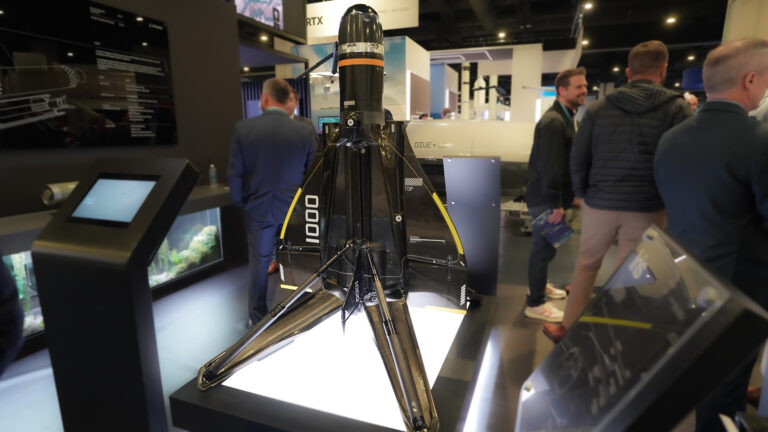
The US State Department has approved a potential foreign military sale to Kuwait involving advanced counter-unmanned aerial systems (c-UAS) manufactured by Anduril. The decision comes just days after an Iranian missile and drone attack targeted the Gulf state’s airport, resulting in casualties and significant structural damage.
Countering the Shahed threat: A strategic $1.98 billion investment
The deal, carrying an estimated price tag of $1.98 billion, aims to enhance Kuwait’s capability to neutralize current and future threats through both electronic and kinetic defeat solutions. The package requested by Kuwait includes cutting-edge technologies such as Roadrunner munitions, Anvil-Kinetic systems, Long Range Sentry Towers, and Pulsar electromagnetic warfare tactical operations centers.
This acquisition is considered vital for the security of a major non-NATO ally in a volatile region. While the approval process for such sales typically takes months or years, the timing of this announcement underscores the gravity of the situation, following the June 3 airport strike that exposed the vulnerabilities of traditional defense systems against low-cost drone technology.
A paradigm shift in Gulf defense: Moving beyond Patriot missiles
Military experts view this agreement as a strategic pivot for Kuwait, shifting from an exclusive reliance on Patriot missile batteries toward a layered air defense approach. The recent attack demonstrated how Iranian Shahed drones can overwhelm heavy missile systems through saturation tactics, exploiting low-altitude vulnerabilities.
The new Anduril systems are specifically designed to provide high-speed reaction times and precision against small, unmanned systems, protecting critical infrastructure, civilian terminals, and oil assets. For a wealthy nation bordering Iran, this investment closes a critical security gap, providing an integrated network capable of detecting and destroying asymmetric threats before they reach their targets.