A Strategic Partnership for Armored Modernization
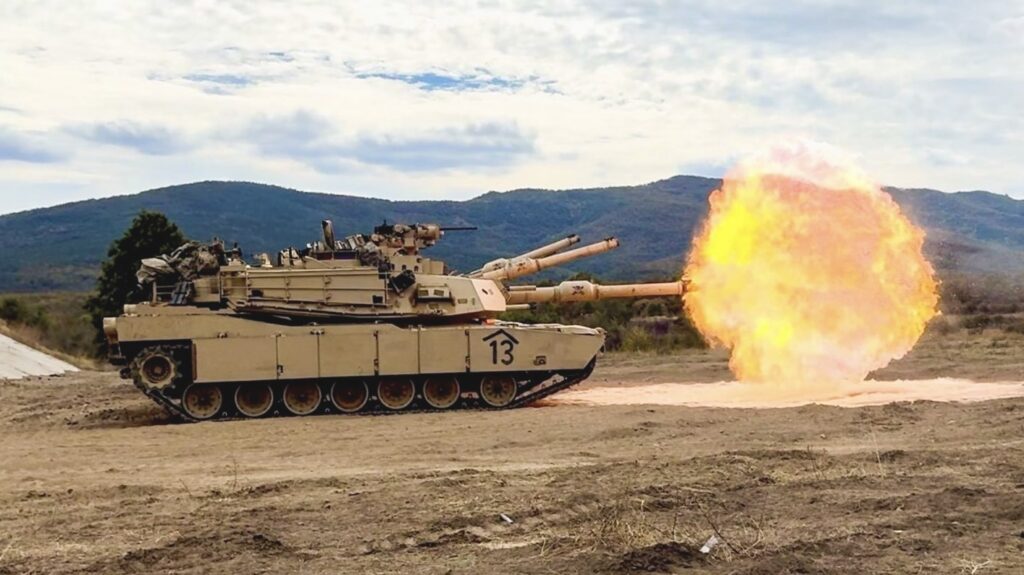
The defense industry is taking a decisive step toward integrating advanced technologies into combat vehicles through a strategic partnership aimed at introducing AI-based voice control to armored platforms. This initiative spans a wide array of equipment, from iconic M1 tanks to the next-generation XM30 vehicles. The project brings together the long-standing expertise of a classic heavy-metal military manufacturer and the innovation of a specialized AI startup, demonstrating the system’s ability to be adapted across diverse platforms, regardless of their complexity.
Reducing the Cognitive Load on Soldiers
The motivation behind this implementation lies in the need to alleviate the burden on crews facing an ever-increasing array of complex systems on the battlefield. As next-generation vehicles, such as the XM30, are designed to be operated by smaller crews despite carrying more technology, soldiers are at risk of cognitive overload. Voice control is viewed as the optimal solution, allowing operators to interact with vehicle systems using a natural and intuitive mechanism. This facilitates operation in extreme combat conditions—at night or in poor weather—where using keyboards or buttons becomes a major challenge.
The Virtual „Crew Member” Without Lethality
The technology is designed to act as a virtual crew member to whom soldiers can delegate complex or time-consuming technical tasks, allowing human focus to remain fixed on essential tactical aspects of the mission. The system can manage communications, adjust radio networks, send automated reports, or switch camera views. However, a clear boundary has been established: the AI will not have access to fire-control systems and will not perform lethality tasks, ensuring strict control over safety and validation protocols.
Predictability Over Generative Tech
Unlike generative AI models that can produce unpredictable results, this system utilizes more narrowly focused and predictable forms of machine learning. The goal is to create an efficient translator between the soldier’s voice commands and the complex interfaces of military systems, eliminating the risk of technological „hallucinations.” The emphasis is placed on reliability and predictability, which are critical in operational environments where precision is vital.
A Scalable Future
While the system is not installed on the XM30 prototypes currently undergoing testing, the long-term objective is to include it in future upgrade packages. This technology could be integrated not only into new platforms but also into legacy equipment already in service, such as M1 tanks and troop carriers, fundamentally transforming how crews interact with the technology on the battlefield.