Innovative Contractor-Operated Solutions Aim to Enhance Basic Flight Skills for Future Aviators
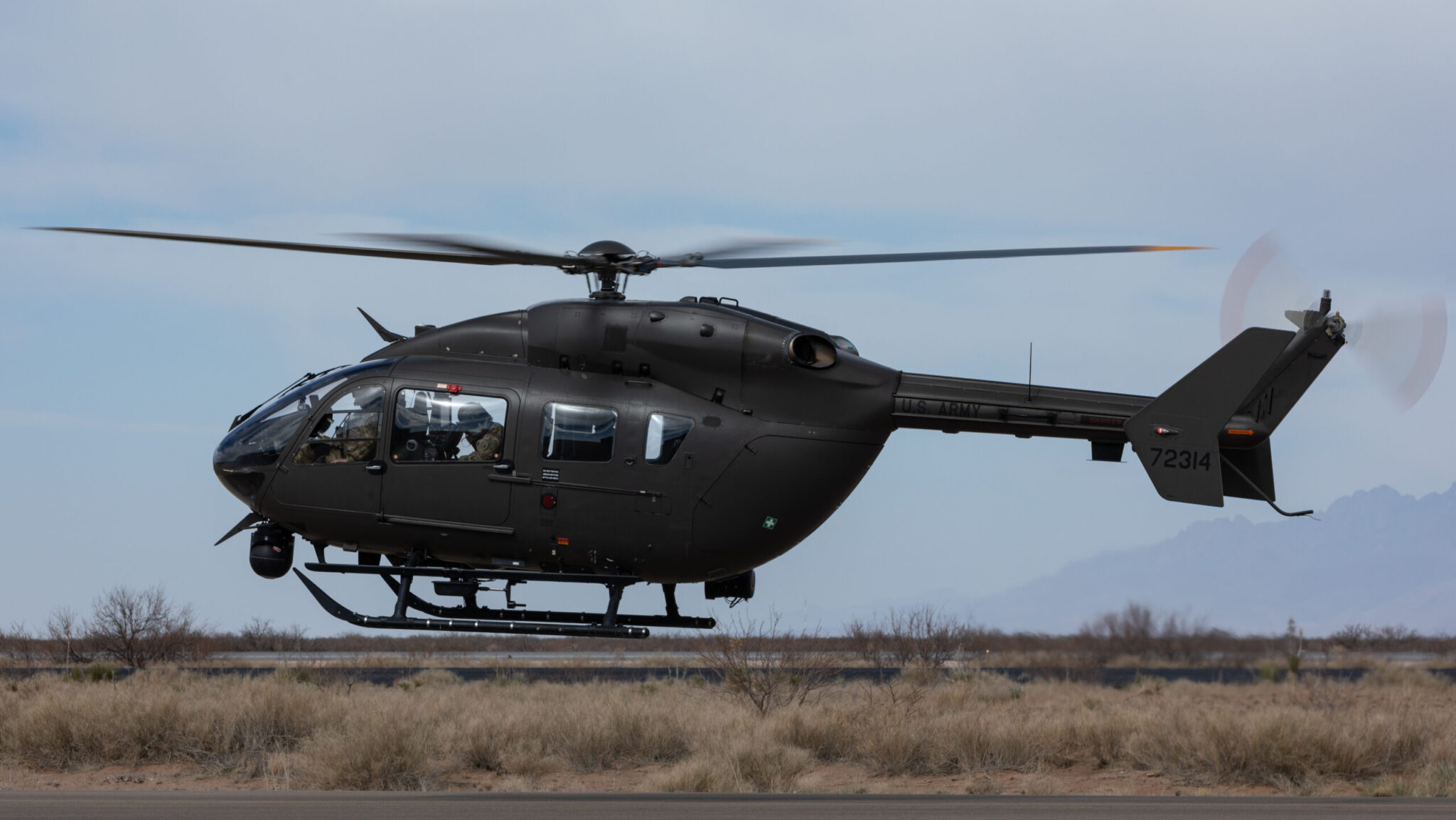
The U.S. Army is embarking on a comprehensive effort to overhaul its helicopter pilot training program through a new initiative called Flight School Next. In a recent government solicitation, the Army announced plans to explore contractor-owned, contractor-operated aircraft and related training solutions to replace its current fleet of UH-72A Lakotas used since 2015.
Revamping Basic Flight Training with Industry Solutions
The Army’s new solicitation calls on industry to provide a wide range of services, including academic instruction, flight training, training aids and devices, simulation (if needed), aircraft and aircraft parts, and aircraft maintenance. The goal is to develop innovative and efficient methods that accelerate and improve basic helicopter pilot training.
While the notice provides limited specifics about procurement scope, it opens a five-month window for interested vendors to submit phase 1 bids by October 31. The Army emphasizes its intention to leverage a Commercial Solutions Opening (CSO) process—aiming to bypass traditional Federal Acquisition Regulation (FAR) procedures—to access faster, more innovative commercial solutions.
Why Is the Army Reevaluating Its Training Aircraft?
Despite ongoing budget cuts to other parts of its aviation portfolio, senior Army leaders believe a modernization of pilot instruction is essential. At the AAAA conference last month, Vice Chief of Staff Gen. James Mingus explained that the current Lakota, being highly sophisticated and almost self-flying, may impede foundational pilot skill development.
“You need to teach pilots to be masters of their craft—the old-fashioned way,” Mingus stated. He advocated for simpler, single-engine helicopters that would better prepare pilots with fundamental flying skills before progressing to more complex aircraft.
Balancing Complexity and Training Effectiveness
Airbus, which originally developed the Lakota, defended its use as a training aircraft, noting the service deemed the UH-72A a solid choice for initial rotary-wing instruction. However, Maj. Gen. Clair Gill, commander of the Army Aviation Center of Excellence, indicated that all options—including hybrid approaches—are under consideration to better connect pilot training at different proficiency levels.
“Going from a single-engine helicopter to a Blackhawk or Apache can be a big jump,” Gill observed. “We’re exploring options that bridge those gaps, possibly using different platforms or integrated solutions.”
Possible Industry Participants and Next Steps
A variety of aerospace firms—including Airbus, Bell, Leonardo, Lockheed Martin, MD Helicopters, and Robinson—have expressed interest in competing for the upcoming contracts, either alone or with partners. Many have previously participated in Army market surveys or articulated plans to develop new training aircraft and solutions aligning with Flight School Next’s goals.
As the Army moves forward, the initiative aims to modernize helicopter pilot training by embracing commercial solutions, reducing complexity, and ensuring new aviators attain mastery from the earliest stages of their careers.