Unilateral Decision Disrupts Existing Basing Plans and Sparks Political & Strategic Uncertainty
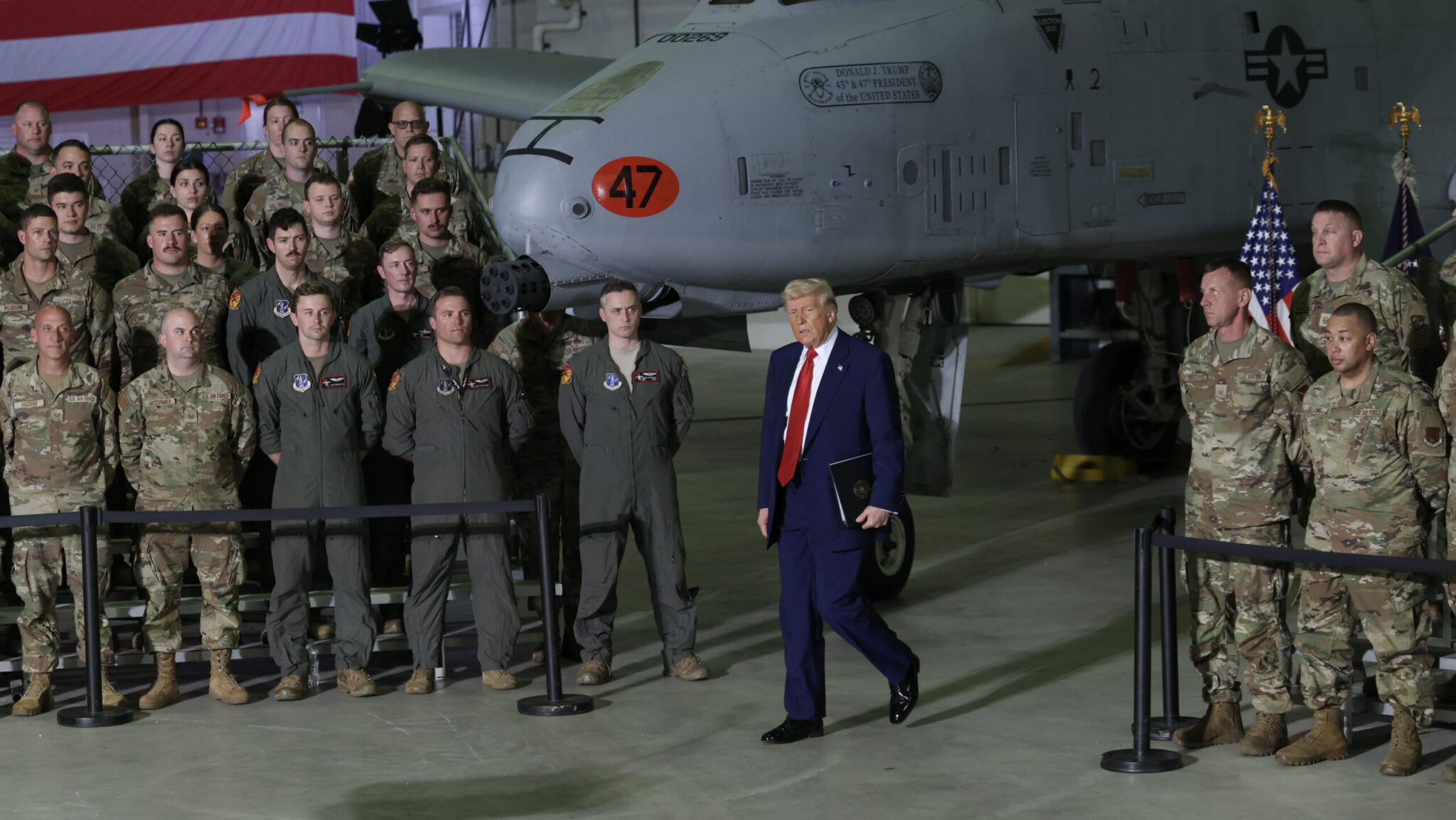
In a bold move late April, former President Donald Trump publicly declared that the Michigan National Guard’s Selfridge Air National Guard Base would receive new Boeing F-15EX fighters starting in fiscal 2028, replacing the aging A-10 Warthogs operated by the 107th Fighter Squadron. This sudden announcement upended the U.S. Air Force’s longstanding plans, which had allocated the base primarily for KC-46 tankers and previously envisioned no fighter aircraft role for the future.
Political Victory for Michigan, but Political & Military Uncertainty for Congress
Trump’s intervention was a significant political win for Michigan lawmakers, notably Democratic Governor Gretchen Whitmer, who had championed modernizing Selfridge’s fighter fleet. “In recent years, many in Michigan have feared for the future of the base,” Trump stated. “They called Trump, and we got it done.” The decision is seen as a testament to the influence of local politics and outside pressure on military basing decisions.
However, the move surprised many Capitol Hill lawmakers from other states with existing or planned F-15 commitments, creating confusion and raising questions about the process. An anonymous House aide told Breaking Defense that the sudden change prompted a scramble to understand how this impacts broader defense plans, with officials unsure of the full implications.
Questioning Executive Authority to Overturn Strategic Basing Plans
The core concern among congressional staff and defense analysts centers on whether this president-led decision sets a precedent for unilateral changes to strategic basing, regardless of pre-existing, long-term plans. “What are the limits on the Commander in Chief’s authority to reassign assets without adhering to the strategic basing plan?” one official questioned, highlighting the risk of eroding procedural discipline for military planning.
Basing Plans by Design Are Carefully Developed Over Years
Military basing and equipment plans are typically crafted over many years, considering strategic, political, and operational factors. These plans often involve numerous stakeholders, especially when it comes to National Guard units, which report to state governors and have significant autonomy. The autonomy of adjutant generals complicates efforts to reorder unit assignments, often leading to disputes— as seen in the past between active-duty and Guard components in 2013-2014— which eventually prompted Congressional oversight.
National Guard Units and Political Backlash
The decision has immediate political ramifications for other states with units slated for F-15EX upgrades, particularly California and Louisiana. The California 144th Fighter Wing in Fresno, which was scheduled to receive F-15EXs in FY26-27, is now potentially impacted, raising concerns among lawmakers like Rep. David Valadao and others. “There’s an urgent concern about delays and how this will impact readiness,” Valadao stated during a hearing.
Similarly, the Louisiana 159th Fighter Wing, also slated to receive F-15EXs in the same period, may face delays or reassignments, though officials such as National Guard Chief Gen. Steven Nordhaus indicated that close coordination is underway to prevent gaps. However, the exact timing and scope remain uncertain, with production capacity being a key factor.
Air Force Scrambling to Adjust, with Ongoing Production Challenges
During recent hearings, Air Force officials emphasized that the decision was a presidential directive outside the scope of existing basing plans. Acting Secretary Gary Ashworth and Lt. Gen. Adrian Spain confirmed that they are still waiting for detailed guidance to accurately assess the impact on costs, timelines, and unit readiness. Spain acknowledged that until the formal order is fully understood, effects on other units remain unclear.
Boeing’s ability to meet increased production targets—aiming for two F-15EX aircraft per month by end of 2026—is a critical factor. Nordhaus expressed concern over manufacturing capacity and how delays or adjustments may influence unit readiness.
A Precedent-Setting Move That Could Reshape Future Military Basing Decisions
The implications of Trump’s unilateral action extend beyond the immediate context, raising fundamental questions about the balance of presidential authority and military planning processes. Lawmakers and defense officials alike are now examining what authority the president holds to override meticulously crafted basing strategies—particularly when it affects Guard units that often have unique political and operational considerations.
As the Air Force and Reserve components navigate these turbulence, the broader military community watches closely to see how this precedent may influence future decisions on where and how the United States stations its force structure worldwide.