Introduction: The Air & Space Forces Association (AFA) Warfare Symposium, a significant annual event for airmen and Guardians, saw a stark decline in attendance this year, contrasting sharply with the typically bustling atmosphere of past conferences. Held at the Gaylord Hotel in Aurora, Colorado, the conference highlighted the ramifications of new attendance restrictions imposed by the Department of the Air Force (DAF).
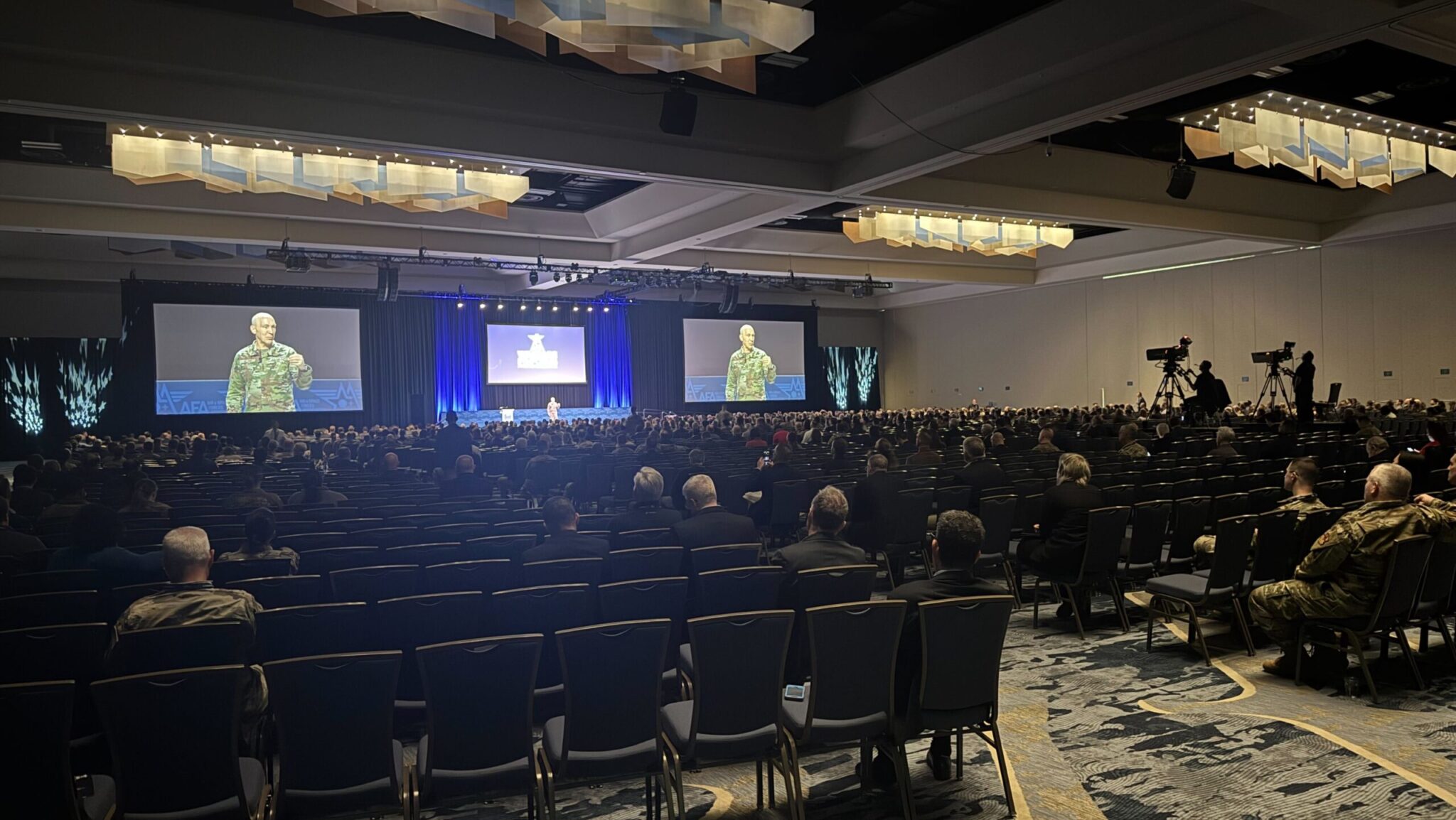
Keynote Addresses and Attendance Decline Keynote speeches by prominent figures such as Chief of Space Operations Gen. Chance Saltzman and Air Force Chief of Staff Gen. David Allvin were met with noticeably empty seats, a sight atypical for such an important forum, which usually draws standing-room-only crowds. While the AFA did not disclose specific attendance figures, the much quieter hallways and conference rooms suggested a significant drop in turnout, with attendees notably able to establish cell signals—a rarity in previous years due to high foot traffic.
Reason for Attendance Restrictions The decline in participation follows a DAF directive aimed at complying with the spirit of President Donald Trump’s executive order dated February 26. This order encompasses the White House’s Department of Government Efficiency (DOGE) initiative, mainly driven by Elon Musk’s proposals. According to a DAF representative, attendance was limited to individuals directly involved in the conference—including speakers, panel members, and senior leaders with industry commitments—while allowing a virtual attendance option for others.
Implications for Future Industry Engagements As the AFA event represents the first major trade show since the executive order, it raises concerns about the future of such industry gatherings. Vendors traditionally invest heavily in exhibition space to establish valuable connections with government personnel, making substantial attendance a key to their corporate engagement strategies. A notable industry source remarked on a 10% decrease in meetings with senior service leaders since the issuance of the executive order, signaling potential shifts in how industry interacts with military branches.
Despite these changes, many believe there is still value in attending events like AFA, as they provide unique opportunities for suppliers to understand and support the Air Force’s objectives. One source noted the essential nature of these interactions, stating, “We don’t have this kind of interaction except at shows like AFA.”
Concerns for Emerging Military Personnel Another aspect raised includes the need for young airmen and Guardians—who operate industry equipment—to have fewer opportunities for direct interaction with suppliers. This relationship is critical for feedback and collaboration between the military and industry, making the implications of reduced attendance concerning for future operational capabilities.
Future Outlook: Temporary or Permanent Changes? The long-term effects of the Pentagon’s scaling back from the AFA remains uncertain, as some industry experts speculate whether this shift is a short-lived consequence of administration initiatives or indicative of a permanent trend. As policies and directives continue to evolve, the air and space community will be closely monitoring how these changes will affect future industry participation in military-related events.
Conclusion: Navigating a New Landscape The reduced attendance at this year’s AFA Warfare Symposium underscores the challenges and uncertainties facing military-industrial relations under newly implemented restrictions. As stakeholders assess the implications of the executive order on future gatherings, the need for a dynamic input between military personnel and industry remains vital. How this balance will be struck in the upcoming years is a subject of ongoing interest and importance for both parties.