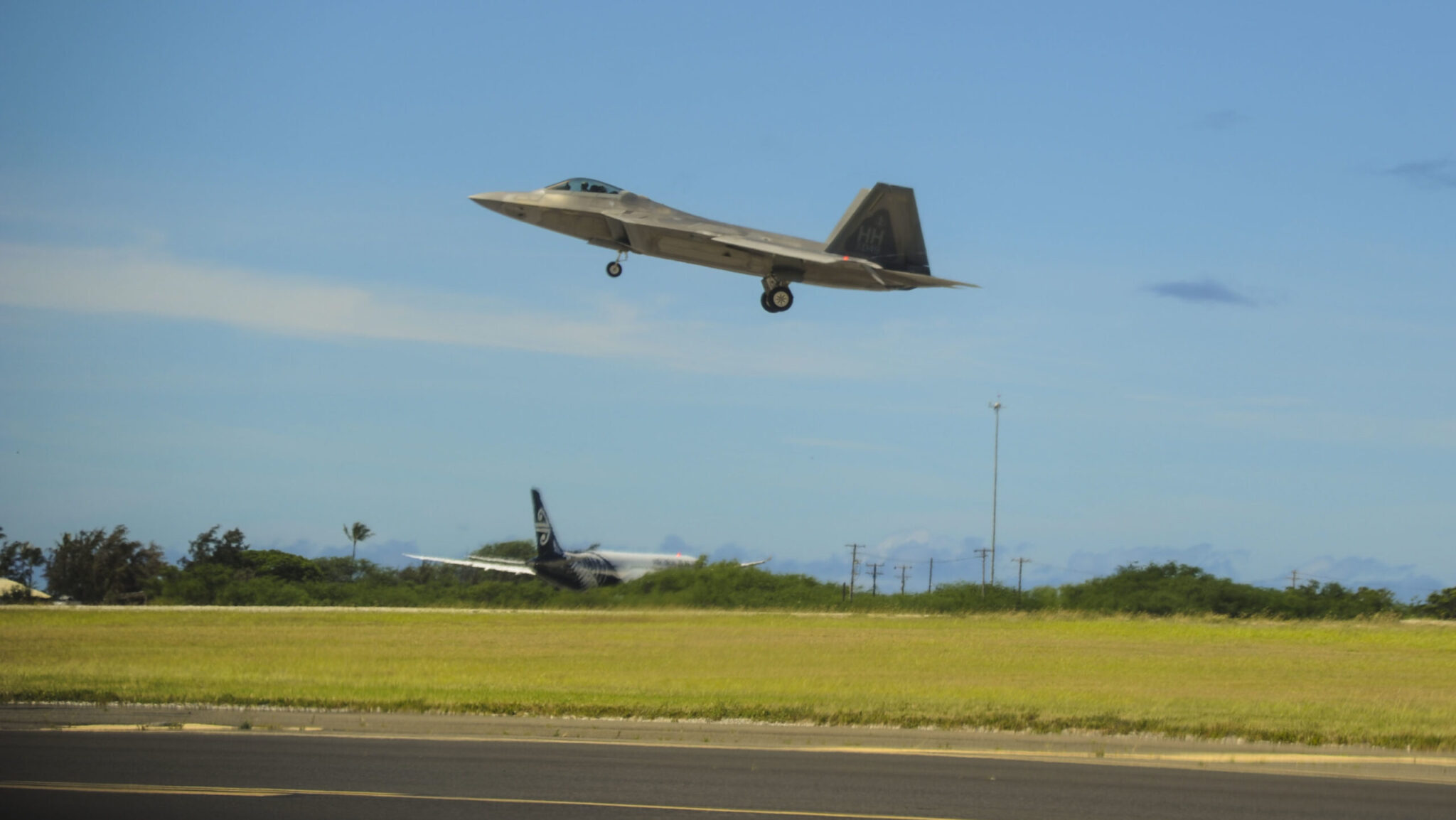
There are moments when the Air Force appears to be grappling with its own challenges.
After a decade of significant investment and strong endorsements from leaders, the Air Force is growing anxious about the Next-Generation Air Dominance (NGAD) program, aimed at developing a sixth-generation fighter aircraft to replace the F-22 as the core of air superiority. Air Force Secretary Frank Kendall recently voiced concerns about the cost, concept, and engine of NGAD, hinting at potential trade-offs within the program.
This shift in attitude poses a considerable risk, as the Air Force’s broader future plans, including the Collaborative Combat Aircraft (CCA), the B-21 bomber, upgraded tankers, and F-35s, have all been hinged on the assumption of fielding a sixth-generation fighter in the 2030s. Any deviation from the NGAD program could jeopardize air dominance for the entire joint force.
The rationale behind Kendall’s reservations seems to revolve around budget constraints and a growing enthusiasm for the CCA initiative, which could potentially overshadow the significance of the NGAD aircraft. Despite the promising capabilities of the CCAs – which encompass drones and various weapons systems geared towards a range of missions – the unresolved operational questions underline the need for a balanced approach that includes NGAD.
It is crucial to recognize the unique role of the NGAD fighter in penetrating contested environments with enhanced stealth and advanced capabilities. The NGAD program, incorporating crewed aircraft, drones, and associated systems, represents a cornerstone in the Air Force’s strategic vision for future air superiority.
While the evolving landscape of modern warfare demands innovative solutions like the CCAs, the potential risks associated with overreliance on unmanned systems highlight the continued relevance of crewed fighters like NGAD in addressing complex operational scenarios.
In conclusion, maintaining a strategic balance between next-generation capabilities like the CCA and the indispensable role of aircraft like NGAD is essential for ensuring air dominance and operational effectiveness in an increasingly dynamic security environment.