As leaders of NATO gather next week in Washington, DC, two prominent themes are expected to dominate almost every discussion: Ukraine’s capacity to resist Russian invaders, and the threat posed by Moscow to NATO member nations along their border.
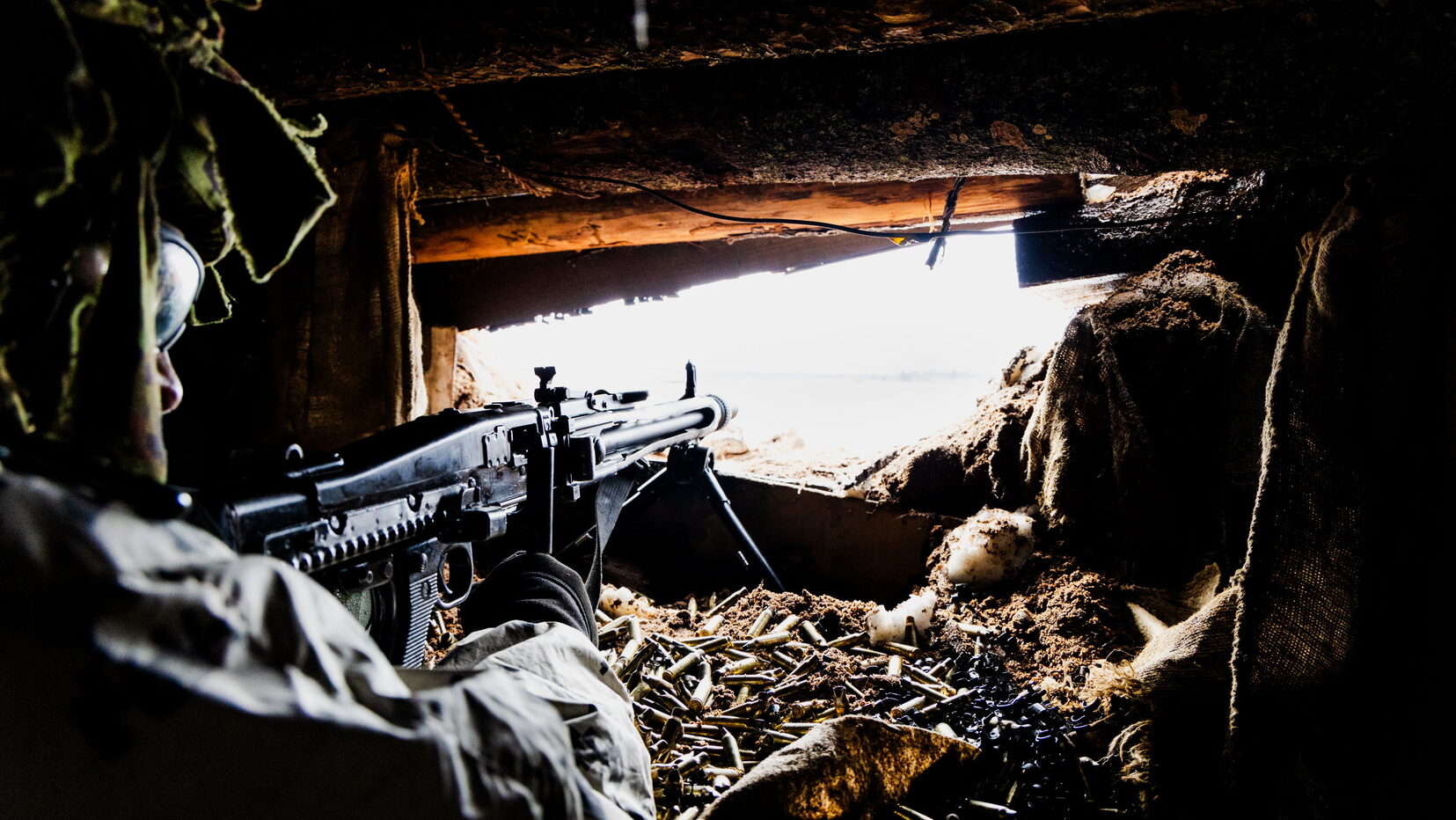
For the Baltic countries, who have vivid memories of life under Russian rule, a solution reminiscent of the past is being devised: a large defensive line project encompassing approximately 600 planned bunkers and fighting positions in Estonia, Latvia, and Lithuania. This project was announced in January with a budget of $65 million.
In early May, Gen. Martin Herem, the former top military officer of Estonia, outlined his vision for the bunker project, its intended purpose, construction details, and timeline. He emphasized that the goal is not to halt Russian forces at the border but to shape the invasion scenario strategically. The project envisions creating positions rather than a solid wall, focusing on flexibility and adaptability rather than a static defense.
Herem suggested that the Baltic nations should focus on constructing the crucial parts of the defensive line that cannot be established with short notice, while leaving the rest for later construction in case of potential invasion alerts. He highlighted the importance of readiness and a strategic approach to countering aggression.
The Baltic countries are not alone in fortifying their defenses. For instance, Poland launched an initiative called „East Shield,” aiming to invest over $2.5 billion in border security along its boundaries with Belarus and Russia. This initiative mirrors the efforts of the Baltic states and underscores the region’s commitment to bolstering their defenses collectively.
Despite the challenges posed by a potential Russian aggression, Herem emphasized the importance of a strong and united response to deter any hostile actions. He underscored the need for readiness, capability demonstration, and a resolute stance against aggression, drawing lessons from the ongoing conflict in Ukraine.
In conclusion, the defensive preparations and strategic outlook of the Baltic nations, alongside their regional allies, exemplify a shared commitment to security and resilience in the face of evolving threats.