Strategic Acquisition
The Turkish firm Baykar has received approval from the Italian government to acquire Piaggio Aerospace, a move the company believes will enhance its presence in the European Union market. Industry Minister Adolfo Urso emphasized the positive implications of this acquisition, stating, “The relaunch of the company is guaranteed, with a clear and ambitious industrial vision. After six years of waiting, we are giving Piaggio Aerospace a future, a strategic asset for our country, with a long-term production perspective, safeguarding corporate complexes and workforce.”
Details of the Deal
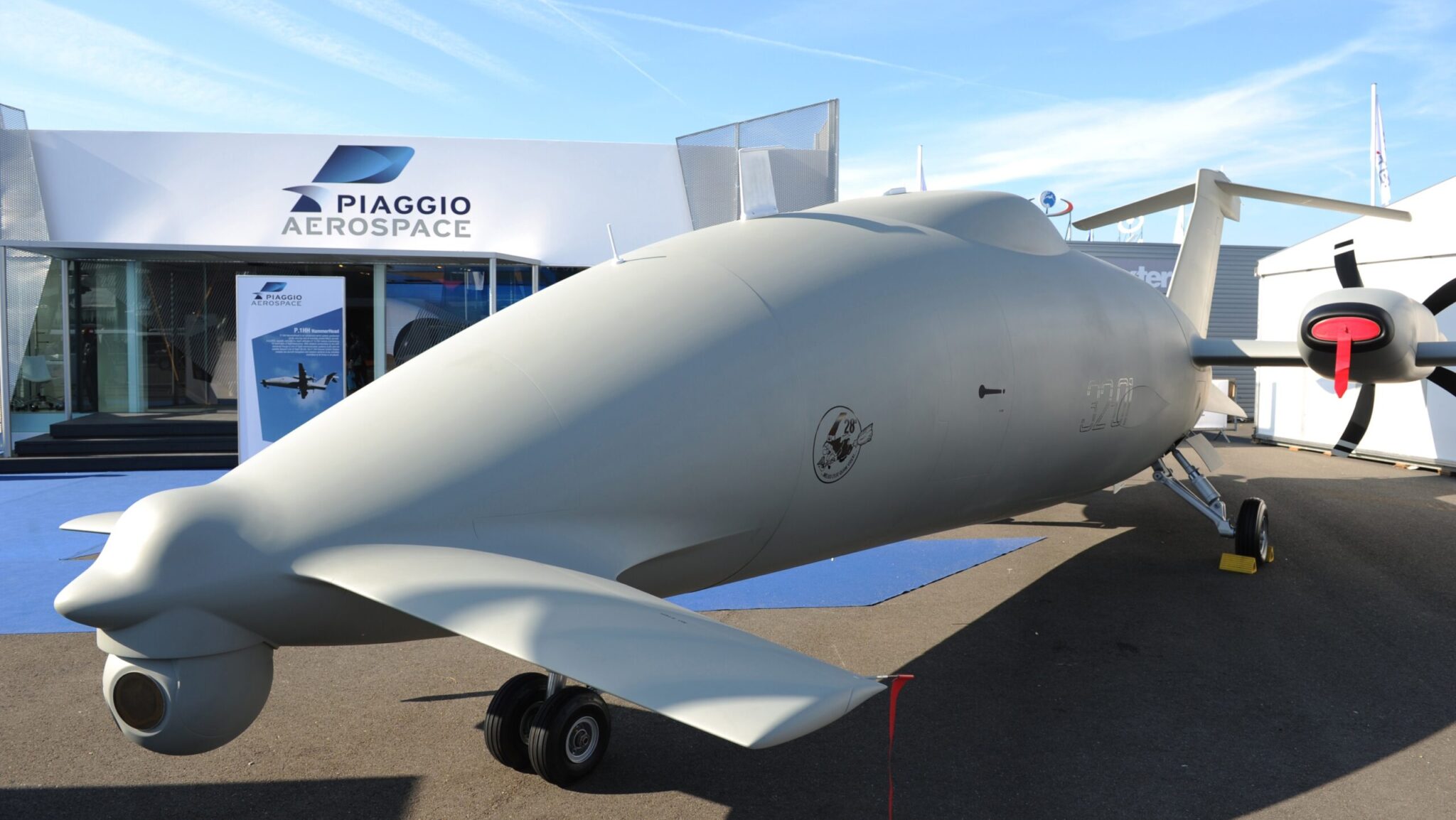
Baykar successfully outbid two other offers for the acquisition, though the specific value of the deal has not been disclosed. Established in 1884, Piaggio Aerospace specializes in the design, development, manufacturing, and maintenance of aircraft, unmanned aerial vehicles (UAVs), and engines. The company has produced notable UAV systems such as the P.1HH HammerHead and the P.180 Avanti, creating clear synergies with Baykar, which has built its reputation on innovative UAV designs. Piaggio Aerospace also offers maintenance, repair, and overhaul (MRO) services.
Insights from Defense Analysts
Caglar Kurc, a defense analyst and assistant professor at Abdullah Gül University, commented on the acquisition, saying, “It makes sense for Baykar to buy an Italian company. This will provide access to European markets, but also access to EU-funded projects.” He noted that the acquisition would likely protect Baykar’s business interests in Europe, particularly if tensions arise between Turkey and European nations.
Implications for Turkey’s Defense Industry
Turkey was previously involved in the Lockheed Martin-led F-35 fifth-generation aircraft program, contributing parts to the aircraft. However, in 2019, the U.S. suspended Turkey’s participation in the program following Ankara’s procurement of the Russian S-400 air defense systems. Piaggio Aerospace has been a key player, selected in 2004 by Pratt & Whitney America to supply components for the F-135 engine used in the F-35 program.
While the complete restoration of Turkey’s role in the F-35 program remains “unlikely” due to the ongoing S-400 issue, Kurc speculated that Baykar, through its acquisition of Piaggio, could position itself as a supplier for potential future F-35 projects.
Conclusion
The acquisition of Piaggio Aerospace by Baykar marks a significant step in Turkey’s defense industry strategy, potentially opening new avenues for collaboration and access to European markets. The unfolding developments will be closely monitored as they may reshape dynamics within the global defense sector.