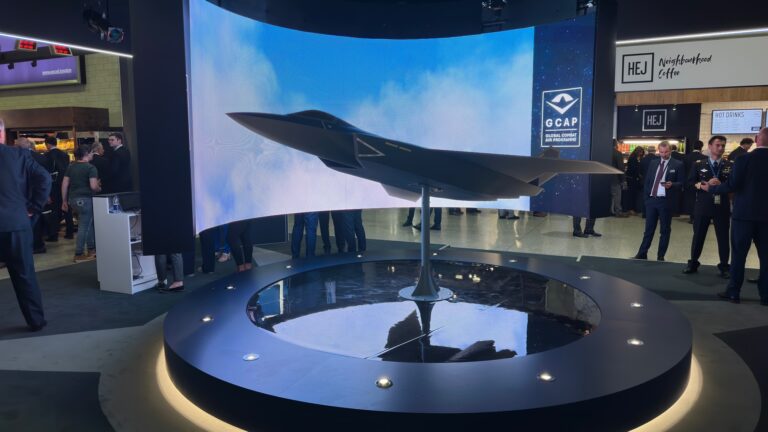
Canada is radically recalibrating its long-term aerial strategy, signaling an unprecedented openness to international cooperation outside its traditional sphere of Washington-led influence. Defense Minister David McGuinty described the nation’s potential entry into the Global Combat Air Programme (GCAP) — the British-Italian-Japanese sixth-generation fighter initiative — as a „smart play” that will secure the country’s technological future without derailing immediate procurement needs.
A Two-Front Strategy: Future Research and Urgent Requirements
While global attention is fixed on Canada’s potential involvement in GCAP, the government in Ottawa emphasizes that this is a separate entity from the current fleet renewal process. Participation in research and development is viewed as a cornerstone for technological sovereignty in the coming decades. Concurrently, Canada confirmed it was the only state formally invited to consider observer status in this elite program, a move that underscores the country’s strategic weight in the new global security architecture.
The Fighter Fleet Dilemma: Between the F-35 and the Gripen Alternative
In the immediate term, the massive fighter jet acquisition remains under rigorous review. While an initial order of 16 F-35s from Lockheed Martin has been confirmed, the remaining 72 planned units are subject to careful reassessment. Ottawa is keeping the door open for a „mixed fleet,” including potential consideration of the Saab-made Gripen. This cautious approach aims to find the best solution for national security, particularly regarding NORAD obligations, a defense mechanism that Canadian officials still consider vital and operational.
Strategic Diversification Amid Diplomatic Tensions
The interest in GCAP and the shift toward European partners like the United Kingdom — described by McGuinty as another „credible middle power” — reflects the new diplomatic doctrine of the Carney government. In a period marked by geopolitical friction and the aggressive rhetoric of U.S. President Donald Trump, who provocatively suggested Canada become the „51st state,” Ottawa is seeking to diversify its military ties. Although intelligence cooperation with the American partner remains solid, Canada’s new strategy aims to build partnerships with like-minded nations, reducing exclusive reliance on Washington’s resources and political decisions.