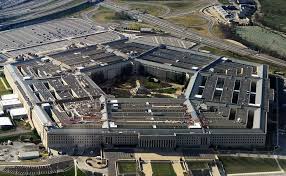
Late last month, details emerged regarding how the Pentagon intends to spend approximately $152 billion, allocated through the budget reconciliation bill enacted last summer. The big news? The Pentagon plans to utilize the entire amount in fiscal year 2026. However, beyond this announcement, discrepancies between the spending plan, congressional guidance, and the Pentagon’s budget request reveal inherent oversight problems associated with budgeting for Defense through the reconciliation mechanism.
Late Disclosures and Opaque Details
The spending plan was presented more than seven months after the funds were legislated, and only after significant pressure from lawmakers to release it. Initially, the Pentagon had only sent Congress plans for $90 billion, which were classified until recently, when a version was partially declassified. Moreover, the intention to spend the entire amount in FY26 significantly deviates from the plan articulated last year. While the administration had requested $848.3 billion in discretionary spending and $113.3 billion in mandatory spending through reconciliation for FY26, the new plan indicates spending $151.5 billion from reconciliation in FY26 – an amount $38.2 billion higher.
Bypassing Congressional Recommendations: A Deviation from the Plan
Months ago, the chairs of the House and Senate Armed Services Committees sent funding tables to the Pentagon, detailing legislative intent for allocations included in the bill. These requested more detailed spending plans „not later than August 22, 2025.” Consequently, the full plan arrived more than six months late. Unlike traditional tables accompanying the Defense Appropriations Act, those for reconciliation were vague, often failing to specify the fiscal year, programs, or even the beneficiary military services. Although the Pentagon’s spending plan offers more details, it still does not reach the necessary programmatic granularity specific to traditional appropriations. A quick review shows that the department did not fully adhere to congressional guidance. A glaring example: the allocation for servicemember quality of life omits $6 million intended for veteran housing facilities, as stipulated by Congress. This omission, whether deliberate or a simple oversight, underscores the inherent oversight problems when budgeting is done through a reconciliation „special fund,” where important details are lost.
The ‘Reconciliation’ Mechanism: An ‘Opaque’ Fund for the Pentagon?
Senate Armed Services Chairman Roger Wicker has repeatedly expressed concern, questioning Pentagon nominees regarding adherence to congressional guidance. The answer? The Pentagon failed on multiple fronts: it delivered spending plans six months late and deviated from precise directives on fund usage. It is particularly worrying that the spending plan exceeds the amount the Pentagon initially stated it would use. Lawmakers had reason to believe that reconciliation funds would be spent in line with the budget request. Now, more than five months into the fiscal year, and after adding $8.4 billion on top of the initial request, they discover that the Pentagon intends to spend $38 billion more through reconciliation this year. Given the president’s proposal for a $1.5 trillion Pentagon budget in FY27, the decision to spend the entire reconciliation fund in FY26 could be more about optics than genuine need – it’s harder to ask for more money when you haven’t used all you already have.
Future Stakes: An Unpleasant Increase or a Necessary Cut?
The discrepancy between what was requested and what the Pentagon now plans to spend, the plan’s divergence from congressional guidance, and the lack of detail compared to spending plans for regular appropriations, exemplify the problems of budgeting for the Pentagon through one-off cash infusions not subject to standard congressional oversight. But the problems don’t end there. The reconciliation mechanism was designed as a tool to balance the budget, but both parties have abused it to pass major spending initiatives outside the normal budget process, avoiding necessary compromise. Regular appropriations bills typically require 60 votes in the Senate. By budgeting for the Pentagon through reconciliation, however, Republicans can secure their priorities with a simple majority in both chambers. The risk is that these priorities will not receive the same attention if one of the chambers undergoes a political change. This budgeting method can lead to a „tug-of-war” over priorities, instead of a steady stream of funding for programs most lawmakers can agree on. As lawmakers prepare to consider the president’s anticipated request for $1.5 trillion in FY27, providing another partisan „special fund” to the Pentagon through reconciliation should be off the table. Furthermore, in the context of an 18% increase this year (accounting for the Pentagon’s plan to spend all reconciliation funds in FY26), Congress should reject any increase outright and pursue cuts instead.