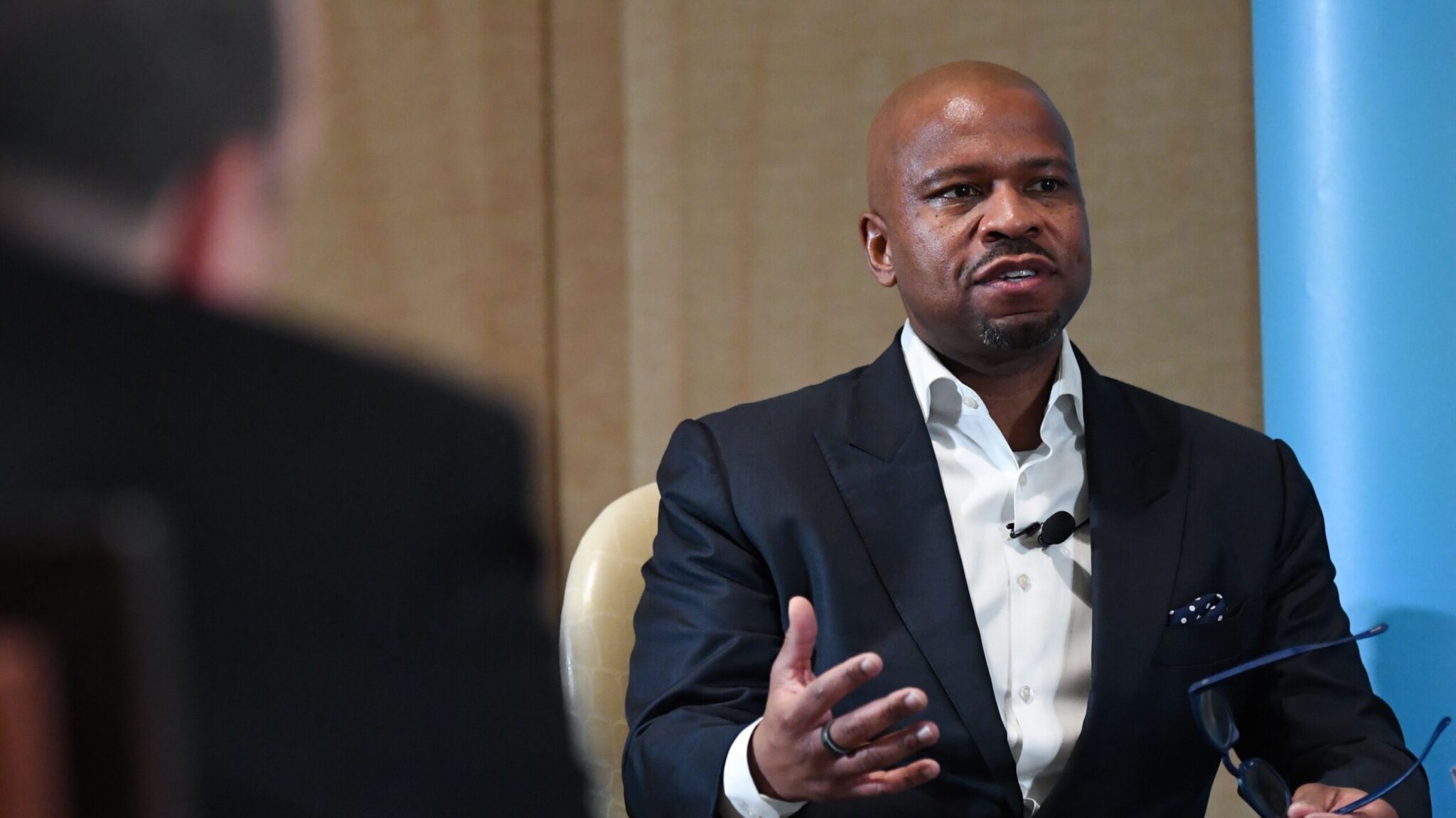
Ted Colbert, the chief executive of Boeing’s defense division, has departed from the company effective immediately, following ongoing poor performance and substantial financial losses within the unit.
Steve Parker, Boeing Defense’s chief operating officer, will take over leadership of the division while the company searches for a permanent successor, as detailed in a memo to employees from Boeing CEO Kelly Ortberg.
“I want to thank Ted for his 15 years of service at The Boeing Company, supporting our customers, our people, and our communities,” Ortberg stated in the memo. He emphasized the urgency of restoring customer trust and meeting their expectations to enable critical missions globally. “Working together we can and will improve our performance and ensure we deliver on our commitments,” Ortberg added.
Colbert’s exit comes shortly after Boeing Chief Financial Officer Brian West disclosed during a financial conference that margins in the defense unit are projected to remain negative for the third quarter. This is a result of ongoing struggles to manage cost overruns on fixed-price defense contracts, compounded by newly identified production challenges with the F-15EX and F/A-18 Super Hornet.
Colbert, who previously led Boeing’s services division, took charge of Boeing Defense, Space and Security (BDS) in 2022 during a tumultuous period marked by pandemic-related supply chain issues and labor shortages, as well as billions in reach-forward losses related to projects like the KC-46 tanker, MQ-25 tanker drone, and Air Force One replacement.
Historically, Boeing pursued aggressive bids for various defense programs under fixed-price contract arrangements, which place the financial burden for any overruns on the company. This approach was predicated on the expectation that future production would help recover initial losses. However, the crisis affecting Boeing’s commercial jetliner business during the pandemic and the 737 MAX ordeal led to significant financial strain, making it difficult to mask losses in the defense sector.
Although Colbert was not directly responsible for these defense contracts, he was tasked with addressing the financial difficulties inherent in BDS and enlisted Parker as his number two to help stabilize the division. Colbert publicly committed to avoiding fixed-price development proposals and detrimental contract terms, a strategy that led the company to withdraw from the competition for the E-4B Doomsday Plane last year.
Despite efforts to reset the division after absorbing $4.4 billion in losses in 2022 to improve the health of fixed-price programs, BDS incurred around $1.6 billion in losses related to its fixed-price portfolio in 2023 and has reported over $1 billion in charges in the first half of 2024.
“We just have to slog through,” Colbert stated to reporters in July, highlighting the ongoing struggles facing the division.
Colbert’s departure adds to a series of changes at the top level of the company this year, which has seen the exits of former Boeing CEO Dave Calhoun and Stan Deal, head of its commercial airplanes unit, amid safety and production crises in the commercial sector. His exit also coincides with the onset of a labor strike at Boeing’s Seattle facilities, which is anticipated to affect deliveries of military aircraft such as the KC-46 and P-8.