Approximately 3,200 Boeing machinists at the company’s St. Louis-based defense unit initiated a strike early this morning, potentially disrupting the production of vital military aircraft such as the F/A-18 Super Hornet and F-15EX.
Union Rejects Contract Offer
Members of the International Association of Machinists and Aerospace Workers (IAM) voted on Sunday to reject Boeing’s latest contract offer. This marks the first strike for the local chapter since 1996.
„Fairness and Respect” Demanded
„IAM District 837 members have spoken loud and clear, they deserve a contract that reflects their skill, dedication, and the critical role they play in our nation’s defense,” said Tom Boelling, directing business representative for IAM District 837.
Impact on Key Defense Programs
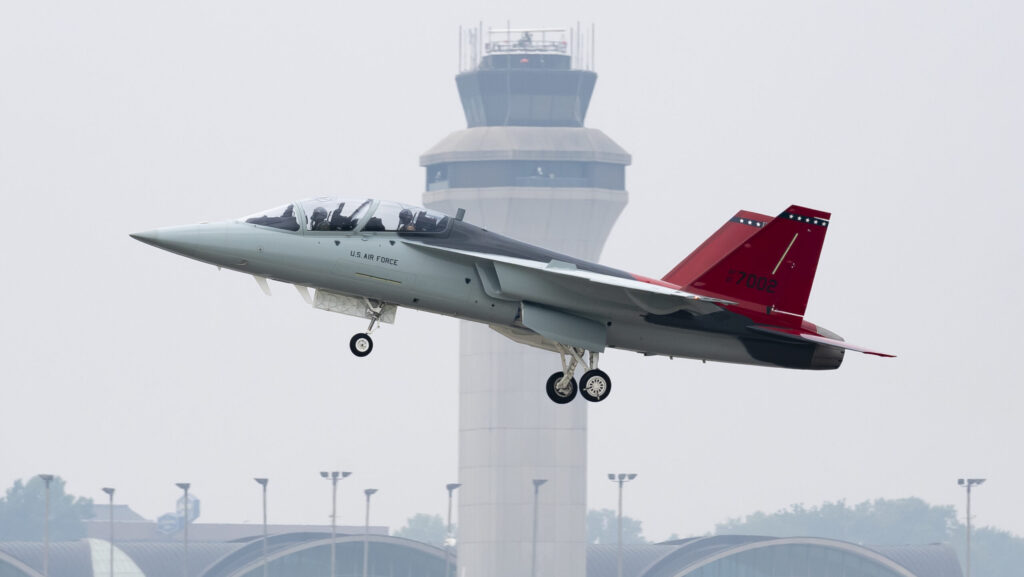
The striking Boeing technicians are responsible for producing fighter jets and critical weapons like the Joint Direct Munition. They also manufacture aircraft such as the MQ-25 tanker drone and T-7 trainer. Furthermore, this workforce is slated to build the next-generation F-47 fighter.
Sticking Points in Negotiations
IAM District 837 previously rejected a contract agreement on July 28. While Boeing presented a revised offer last week that addressed some retirement concerns and rescinded a controversial workweek proposal, it did not increase wages beyond the initial offer.
Boeing „Prepared” for Strike
„We’re disappointed our employees rejected an offer that featured 40% average wage growth and resolved their primary issue on alternative work schedules,” said Dan Gillian, Boeing’s senior executive for the St. Louis site. „We are prepared for a strike and have fully implemented our contingency plan to ensure our non-striking workforce can continue supporting our customers.”
Unions Gaining Momentum
Recent labor union successes in the automotive and aerospace sectors have emboldened employees to seek improved wages and benefits. This comes as companies prioritize a skilled workforce and stable operations following the COVID-19 pandemic.
Financial Performance at Risk
A prolonged strike could jeopardize recent improvements in Boeing defense unit’s financial performance, including two consecutive quarters without losses on fixed-price defense contracts.
Downplaying the Impact
Boeing CEO Kelly Ortberg downplayed the potential impact of the strike, stating that it would not be as significant as last year’s machinist strike in Seattle, which cost Boeing and its partners an estimated $9.6 billion. “The order of magnitude of this is much, much less than what we saw last fall. That was roughly 30,000 machinists,” he said. “So we’ll manage through this. I wouldn’t worry too much about the implications of the strike.”