Boeing has received a seven-year contract worth up to $14.7 billion to increase production of seekers for the PAC-3 Missile Segment Enhancement (MSE) interceptor. The award was issued by Lockheed Martin, which manufactures the PAC-3.
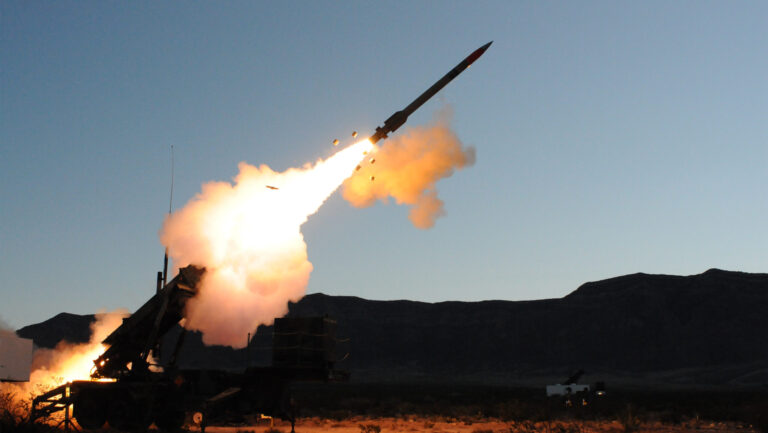
The PAC-3 MSE is launched by the Patriot air defense system and is designed to destroy targets through direct impact. It can be used against threats including missiles and aircraft.
Contract Allows Work to Begin Before Final Terms Are Set
The award is an undefinitized contract action, meaning work can begin while the final contract value and delivery quantities are still being negotiated. Boeing has not disclosed how many seekers it will produce under the deal.
The award puts into effect a framework agreement Boeing reached with the Pentagon in April to triple seeker production. It comes as the United States works to replenish interceptor stockpiles depleted by conflicts in Ukraine and the Middle East.
Seekers Are a Key Production Bottleneck
Mounted in a missile’s nose, the seeker detects and tracks its target, helping guide the interceptor. The component has historically been viewed as a potential constraint on increasing PAC-3 production.
Boeing has already begun expanding capacity and hiring at its facilities in Huntsville, Alabama. The company says early investment and a focus on quality and execution have positioned it to deliver seekers at an unprecedented pace.
Broader PAC-3 MSE Production Is Also Expanding
The seeker contract follows a framework agreement under which Lockheed Martin aims to increase PAC-3 MSE production to 2,000 missiles a year by 2030. In July, the company received a production contract vehicle worth nearly $59 billion.
Both the Boeing and Lockheed Martin awards allow work to proceed before all costs and quantities are finalized. The arrangement could help sustain production even as approval of the US fiscal 2027 budget remains pending. A separate budget reconciliation package also appears uncertain.
Boeing Pursues a Lower-Cost Alternative
Seekers are an expensive part of a missile, and Boeing is developing a lower-cost option called the Ultra Low-Cost Seeker. The company announced the effort in August, amid growing military demand for more affordable interceptors.
Flight tests are planned, but Boeing has not said when the new seeker could enter service.