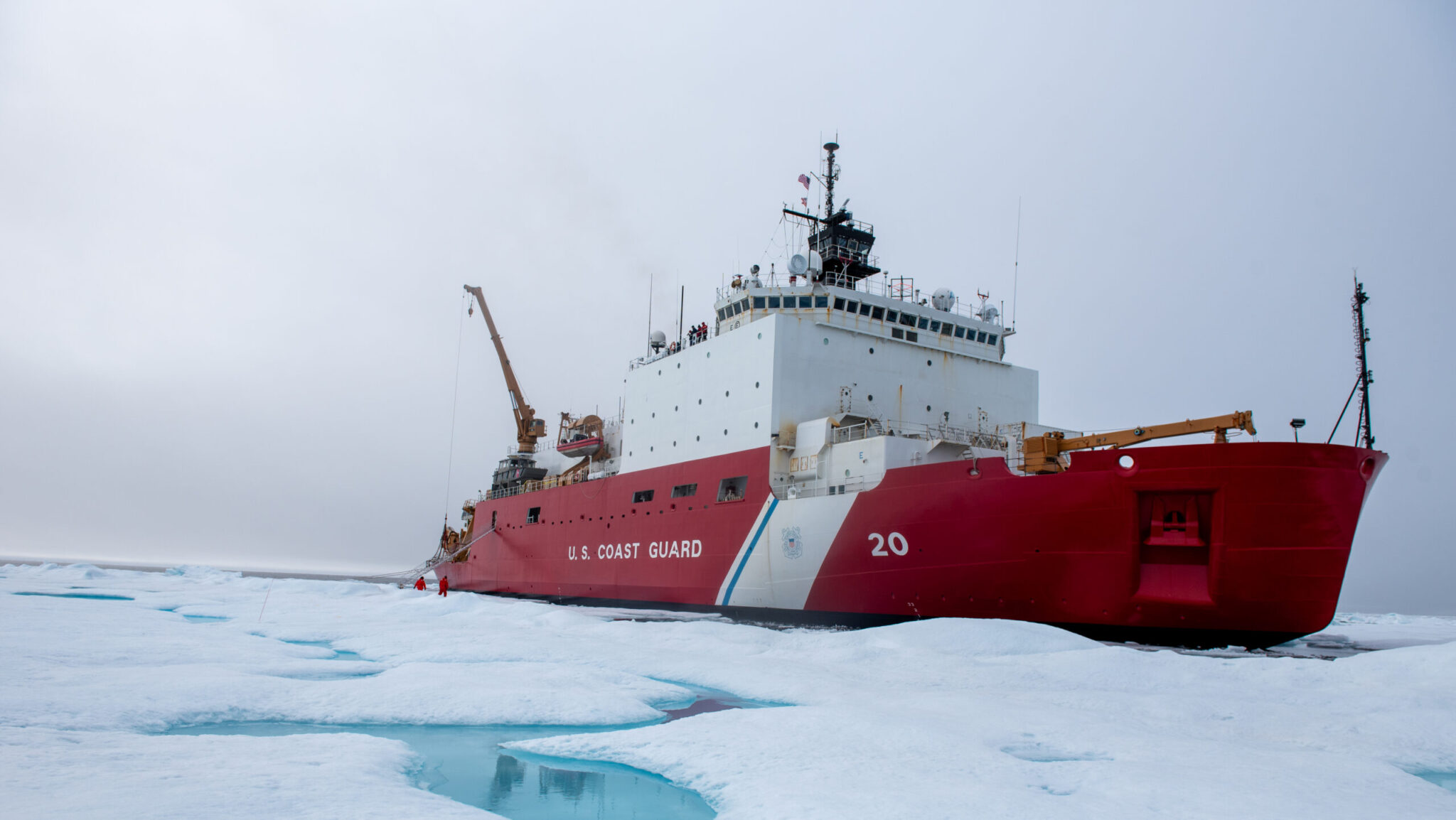
The U.S. Coast Guard is grappling with a significant shortfall in operation and maintenance funding, posing a severe risk to its operational capabilities, according to Commandant Adm. Linda Fagan.
Speaking to Breaking Defense during the Reagan National Defense Forum in Simi Valley, California, Fagan expressed concern about a looming „tipping point” related to budget constraints that could profoundly impact the service’s effectiveness. She emphasized the need for the Coast Guard’s funding to increase from its current level of approximately $13 billion to around $20 billion to adequately support operations.
Fagan highlighted an immediate requirement for an additional $3 billion dedicated to operation and maintenance accounts, which would help sustain the readiness of helicopters and vessels. This funding would also bolster infrastructure, enhance parts procurement, and support command, control, communication, computer, cyber, and intelligence (C5I) initiatives.
As the Coast Guard, which operates under the Department of Homeland Security, seeks to acquire new vessels, maintaining existing assets has become increasingly challenging. A significant part of the problem is attributed to a shortage of parts, prompting the service to routinely „cannibalize” components from multiple ships to repair others.
Fagan noted that the normalization of taking “good parts” from operational vessels demonstrates the scale of the issue. „When a ship comes in from patrol, you take the good part off, you put it on the ship across the pier,” she said, referring to this practice as „controlled parts exchanges.” She stressed that this situation is unacceptable, as the Coast Guard is deferring necessary maintenance, which will ultimately lead to higher costs and a decline in readiness.
In 2023, the Coast Guard saw a staggering 200 percent increase in the cannibalization of navigation and mission sensors, with no end in sight. The projected funding shortfall for fiscal year 2025 will likely restrict the service to completing only half of its planned maintenance and inventory tasks.
Fagan pointed out that this developing crisis is already hindering the Coast Guard’s ability to meet its commitments, including those to the Joint Interagency Task Force South. The backlog of unplanned maintenance is preventing many ships from being operational, thereby affecting missions critical to public safety, such as search and rescue operations, and the interdiction of illegal drugs entering the U.S.
“The inability of our ships to respond due to unplanned maintenance means we’re not effectively preventing loss of life at sea and addressing illegal maritime migration,” Fagan explained. “We’re also not able to meet our search and rescue response times or respond effectively to hurricanes.”